
Jean Burnett
2012
Sphere (Little Brown Book Group)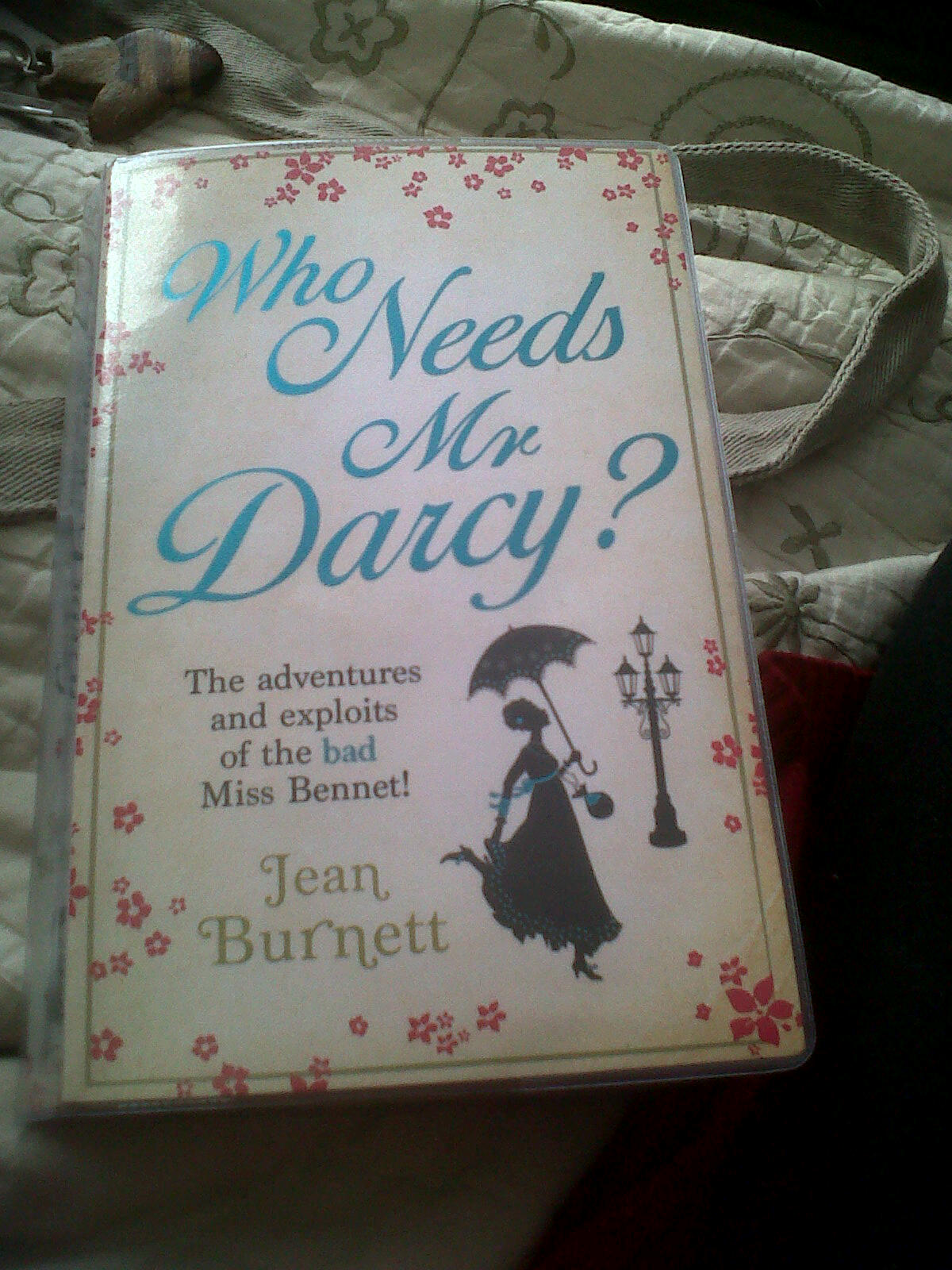
Opening at Pemberley in September 1815 and concluding aboard a ship to Brazil in 1818, this novel follows ‘The adventures and exploits of the bad Miss Bennet’. Lydia Wickham, married three years and widowed at Waterloo, when her husband had the decency to die in battle (although not as heroically as Lydia was telling people), is at a loose end. Currently in residence at Pemberley, living as a dependant of her humourless brother-in-law Darcy and her sister Lizzy, Lydia dreams of escape, of London, Paris and Lord Byron, of making her fortune by marriage to a rich man and dancing among the fashionable world at Almack’s. She has become her husband’s mirror image. Darcy wants rid of her, and Lydia is eager to be got rid of, provided she can have an allowance from her relatives and the freedom to do whatever she wants.
By subterfuge Lydia gets her way and travels to London to stay with the impecunious and immoral Selena and Miles Caruthers, friends from her days as an army wife. On the way she is robbed by a handsome highwayman, in London she plays with marked cards and becomes involved with a banker. Travelling to Brighton she meets the Prince Regent, becomes involved in a murder and robbery, and is kidnapped by her highwayman
Eventually Lydia finds her way to the no longer fashionable Bath, as her banker is arrested and she acquires a new admirer. Plans are made for Paris, but first she must go to Pemberley. Here a letter arrives from Longbourne; Kitty, who Lydia has kept informed of all her adventures, has had an attack of conscience and drops Lydia in it up to her neck. Sent away to be a companion to a rich, elderly widow (it was that or the asylum, suitable husbands not being forthcoming) in Bath, Lydia despairs.
Until she hatches a plan and her employer is persuaded to end her retired life and go to the Continent. Lydia is ecstatic and finally gets to see Paris and Venice. But her past catches up with her and she is forced to work for the British Government in a delicate matter.
This Lydia is has learnt no restraint, no humility or respectability. She is as immodest, reckless and ignorant as would be expected from the youngest Bennet girl. She blames all her misfortunes on others and takes no responsibility for her actions. She sees her family as interfering, disapproving and spiteful.
She is not an endearing character at all, and the plot has too much gothic extravagance about it to be very enjoyable, and yet I raced through this novel. More could have been made of the royal intrigue, financial scandal and international politics, which are the main drivers of the plot and which effect Lydia’s fate the most, but the story, like it’s narrator is rather shallow. Leaving Lydia and her criminal beau aboard ship and bound for Brazil clearly leaves the way open for a sequel should the author choose to pen one.
I think this would have been a fun book, in the mould of Regency romances, if the main character had been an original rather than a pale attempt at writing Lydia Bennet. Jean Burnett simply does not write Lydia Bennet as well as Jane Austen drew her two hundred years ago. The character is a flat caricature. It’s enjoyable enough I suppose but I wouldn’t go out and buy it. That’s what the library is for.
And that is all I have to say on the subject.
Bye,
Rose
 Everything Is Better With Dragons