I’ve been thinking about this for a while. I don’t like to make people pay for my work, but at the same time, I’m disabled, I can only work a few hours a week and the exhaustion is interfering with my ability to write. I want to give myself an incentive to write when I feel well enough. If I have paying subscribers, I have to write!
I may have mentioned the Space Dragon story I’ve been working on for a couple of years. The plan is to share a chapter a month for paying subscribers until I’ve written it all. You won’t be getting the first draft, since I write that by hand, but you’ll get the edited version. There will probably be further edits in future before I release it as a book. I might also share some of my short stories as paid subscriber posts.
What do you think?
Let me share a few paragraphs with you and if you want the rest, please feel free to join the paid subscription.
Update 22/03/2025
No one wanted paid subscriptions, so I’ve unlocked this chapter and any others that I’ve posted.
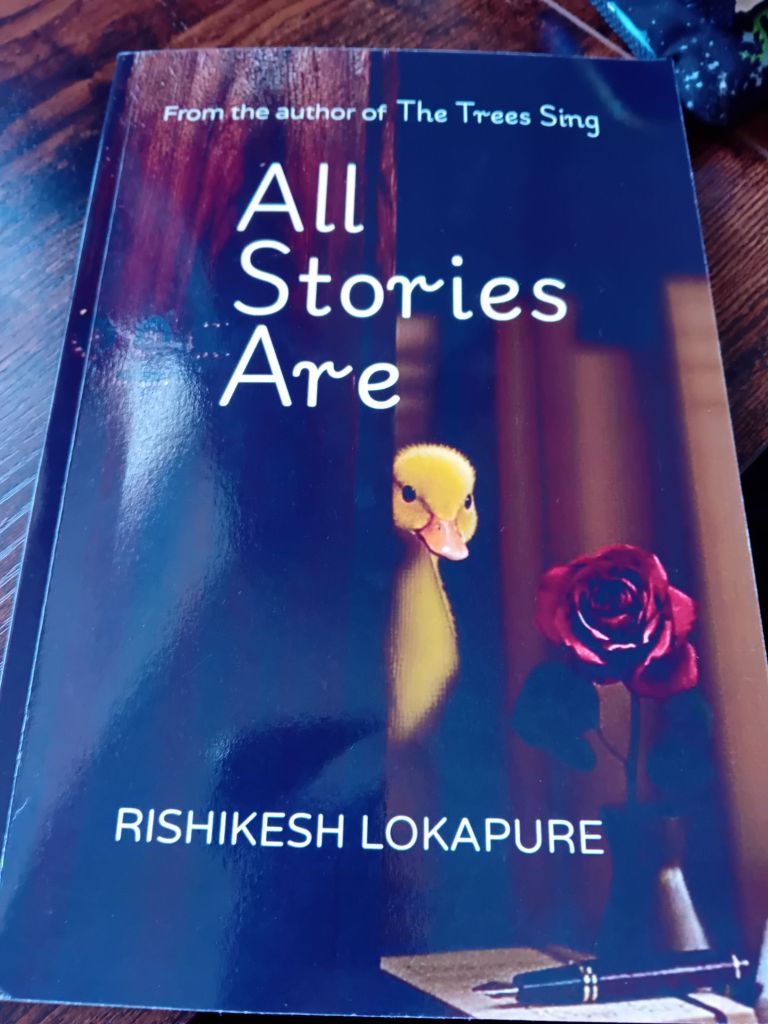
Published: November 19, 2025 by Independently published
ISBN: 9798271958212
Book description
All Stories Are is a compelling and profound collection of six short stories following six distinct individuals on the edge of self-discovery. Through beautifully visualised and deeply observed narratives, All Stories Are looks at the resilience, vulnerability, and the intricate, hidden codes we build around ourselves.
If you enjoy thought-provoking literary fiction that focuses on human struggle and the search for simple, powerful truths, this collection will resonate long after the final page is read.
My Review
The author emailed me months ago about reviewing this short story collection and I’ve finally had a couple of hours without any demands, so I’ve read it today.
The first of six stories is about love and Alzheimer’s Disease. Dementia is devastating, not just to the individual but to their family and friends. You lose a person by pieces, they die while still alive. If they’re lucky, they’ll have someone who can always be there and remind them who they are in the morning. If they’re unlucky, they don’t. The character in the story, Alisha, is lucky, she has her Enrique, until he disappears on an adventure holiday. Then she has their diary to remind her who she is and where she is. Alisha sets off into the jungle to find Enrique with her diary and not much else.
I was deeply affected by this story. I didn’t cry while reading it, but it brought up memories that have made me cry since. Two people in my life had dementia of one sort or another. My Gramps was lucky, until he had to be hospitalised for something else. The last time I saw him he cursed at me so my sister took me for a cup of overpriced hot chocolate in the hospital café so mum and our gran could talk to him. When we went back he’d calmed down and wanted to know why I was so upset. He died a few days later. My great uncle Jim was lucky, at least until great Auntie Eva died. He didn’t know who she was when she died, but then he lingered for years and a cousin of my dad’s went to visit when she could, but it wasn’t the same. For me, he died 10 years before he passed away, when he forgot who Auntie Eva was. He wasn’t uncle Jim anymore. The lingering death is easier to deal with, once they get to the point where they aren’t there anymore. You grieve while they’re still alive. The sudden death while they still know who they are, even if things are jumbled, is harder. I think. Your milage may vary.
The second story is about a boy called Zillah, who shadows a teacher about to retire and learns confidence in himself, only to lose the teacher on the day when he was going to take her place temporarily. It’s a rather sweet story about finding out what you’re good at when you have the chance. Sometimes one teacher taking an interest in a student can work miracles.
The third story is about a physicist and a proud parent, who by chance meet on an aeroplane heading to the same university graduation. The physicist is young and talented and has heavy expectations of herself. The parent is on his first flight, and is facing his fears in order to support his daughter, the first person in his district to graduate with a science degree. They each discover something about themselves on the flight. I enjoyed this story, the rapport between the characters is built slowly and delicately, and the speech at the end made me cry.
The forth story is about an artist who goes to a bridge every night to sketch the people contemplating death. He may or may not fall into the lake at the end. I was confused by this one. I understood the idea – artists sketch people as they make what is possibly their final decision, but I don’t know if the ending was quite clear.
The fifth story is about a blind librarian who develops his own system of book classification using flowers and groves in the woodwork to map his way around. I think technically he’s a library assistant, if he doesn’t have a degree in library sciences (yes, that’s a thing). A woman comes in looking for a specific book and they trade quotes about the importance of fiction as they navigate the library together.
The final story follows a man, or possibly a boy, age is hard to tell, as he navigates the trip to the bus stop. I think he has a learning disability or is Autistic, or both. He follows another person who has a support worker with him. The main character Mateo focuses on socks. Elias has ducklings on his socks, Liesha has black stockings. Focusing on the socks and Liesha’s audible instruction helps Mateo get to the bus stop even without the written instruction his mum usually puts in his jacket pocket. They navigate overwhelming street noise and the shock-stress of kids playing footie with a can running past them (I know this feeling) and safely make it to the bus stop. There’s a passing reference to a sunflower lanyard (I wear a sunflower pin these days because that way I can wear my Discworld lanyard) that clue’s the reader into the fact Mateo has a hidden disability if you know what it’s referencing. Little victories, like getting to the bus stop semi-independently are not to be sniffed at. After an incident on a bus when I was 14, I refused to get a bus until I was 17, I was so distressed. I still struggle with buses at 43 – mainly because people do not know the meaning of indoor voice and the anxiety about buses makes it hard to leave the house.
Each story has a ‘moral’, a bit like a fable, but they’re not moralising. Each story is separated by a line drawing, which could almost be a colouring page and a possible journaling page, if you wanted to make notes after reading each story. It’s the sort of book where you read a story and contemplate the meaning, for you, of the story, before moving on.
This short collection was thoughtfully written and the illustrations fun.
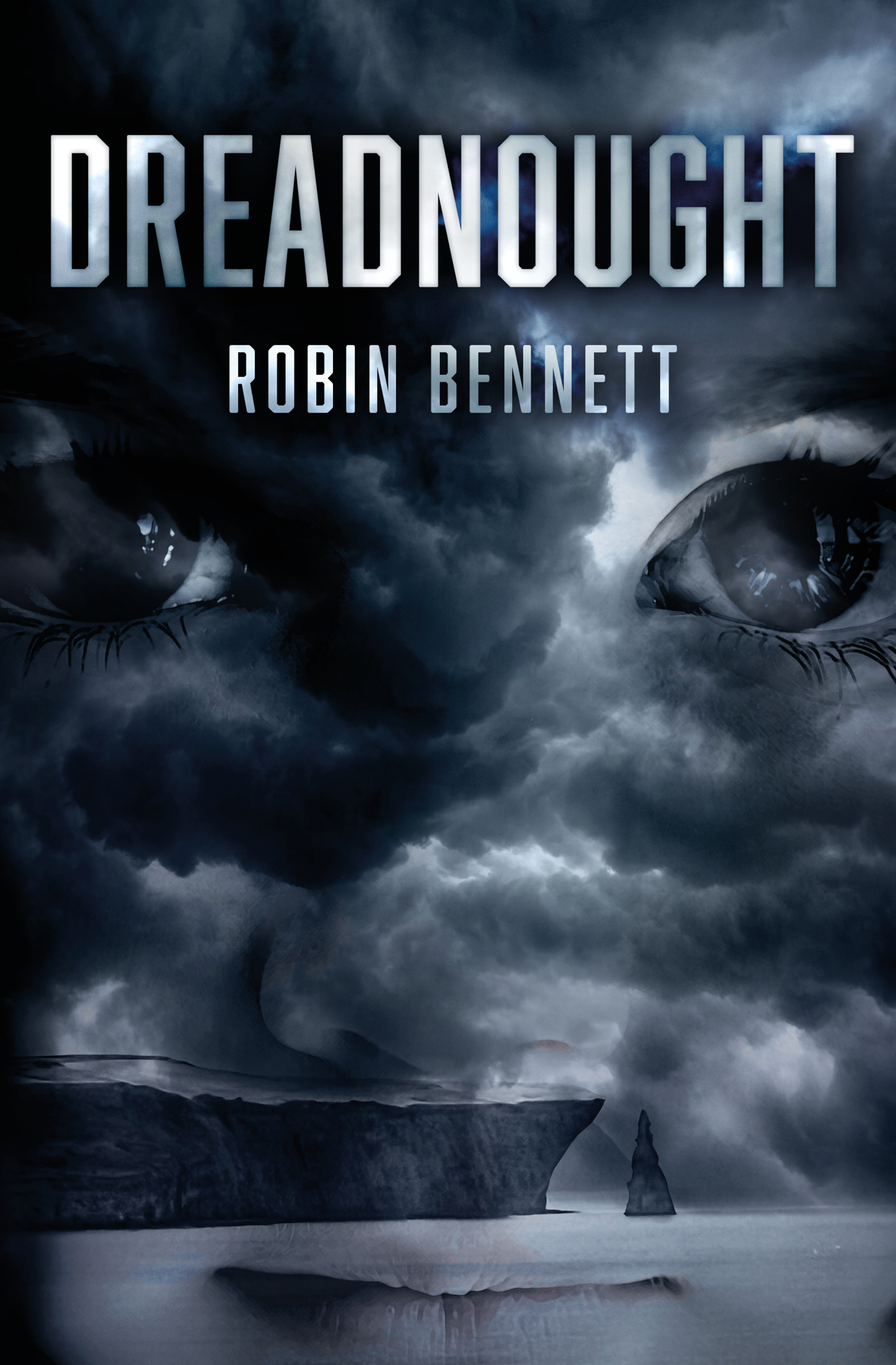
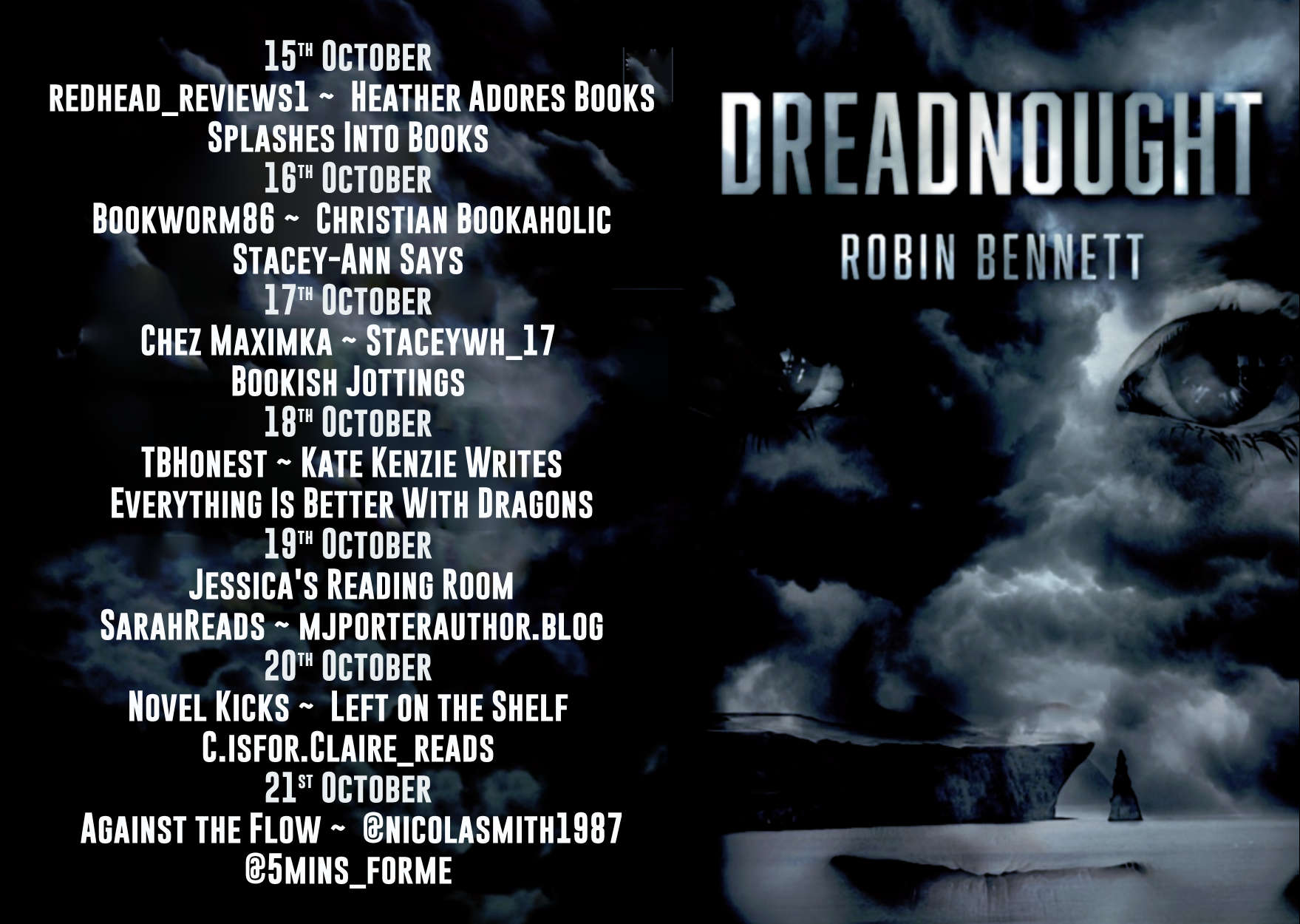
A child sees things she’s sure don’t exist. The adults call it trauma. They’re both wrong.
On a remote Yorkshire headland known as Dreadnought, seven-year-old Cass Delaval begins to glimpse figures and fragments tied to a past that refuses to stay buried.
As the world edges toward conflict, Cass is drawn into a family mystery stretching back to the Second World War: a missing boy, a hidden weapon, and a family secret.
Because whatever has lain dormant on Dreadnought goes deep into our past … and it isn’t finished with us yet.
Dreadnought is a story of loyalty and hope, where the courage of one small girl may be our last defence.
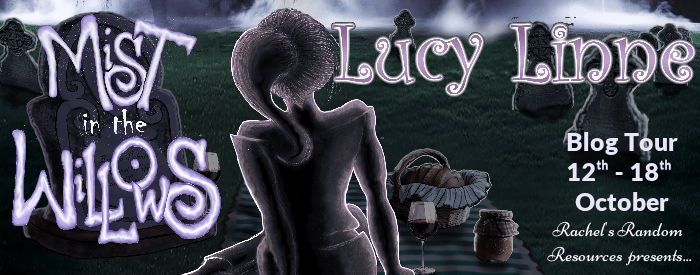
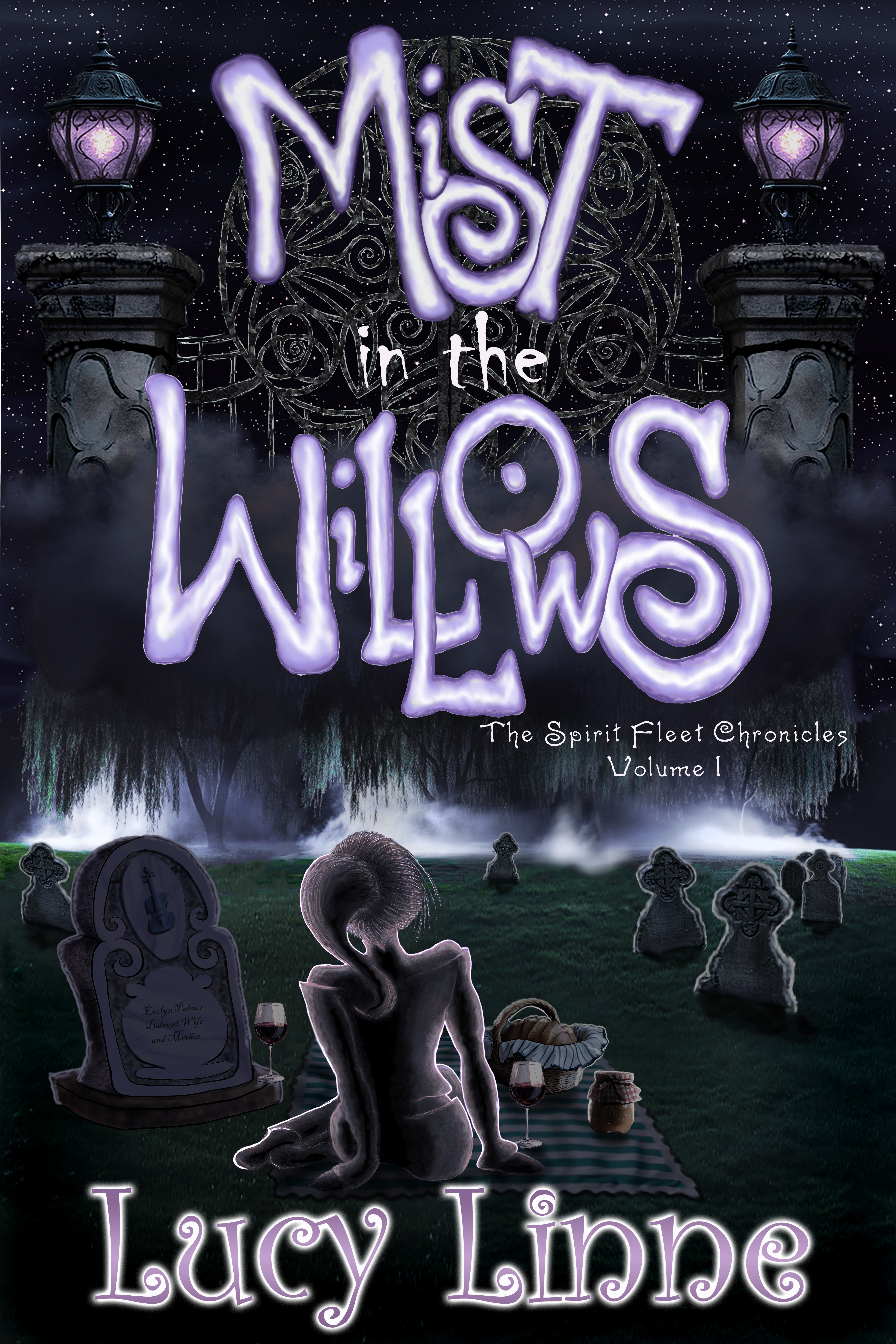
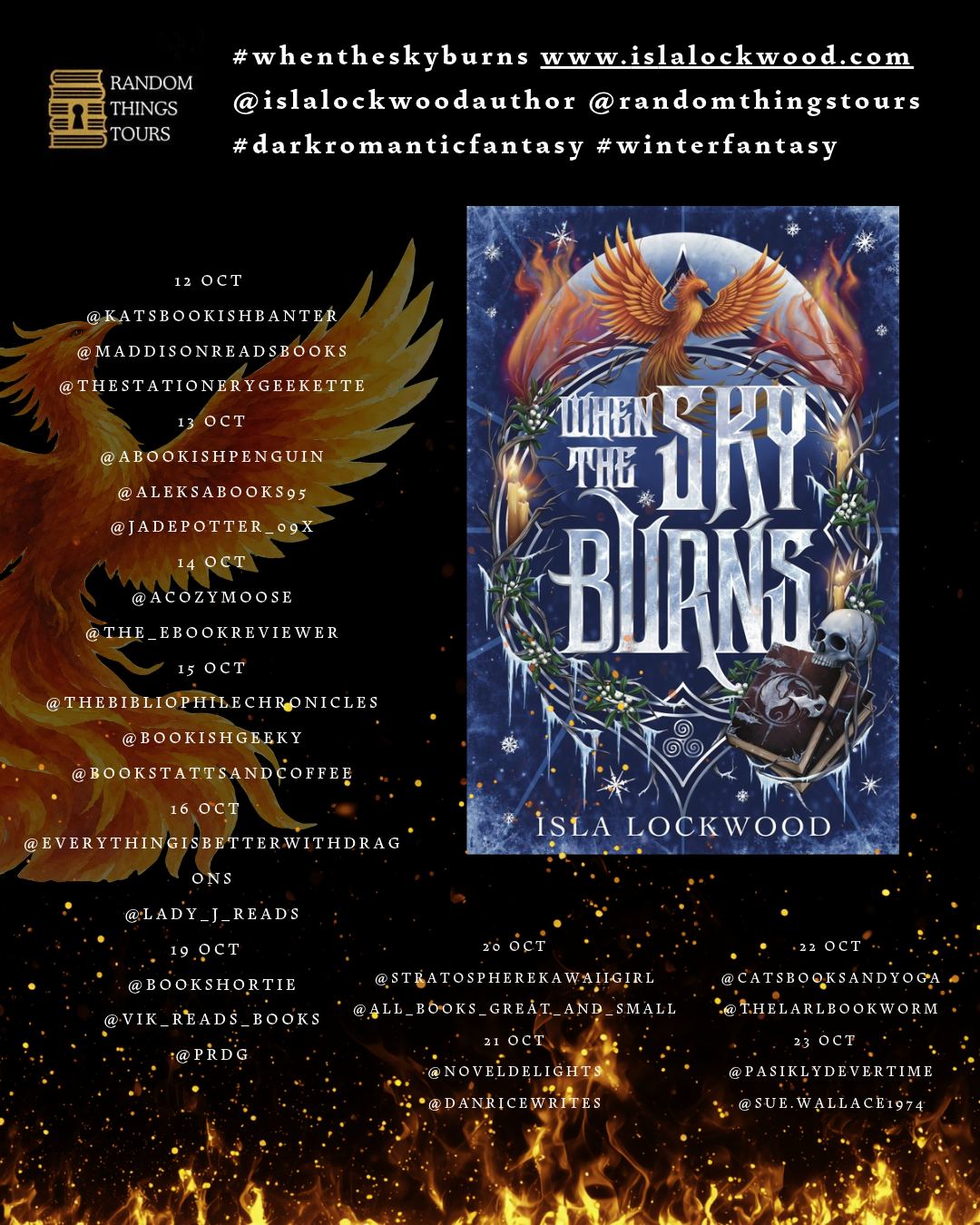
Discharged unexpectedly from the British military at the peak of her career, Jade Palmer must find a way to rebuild her life. Haunted by strange nightmares and fragments of her own fractured memories, Jade finds herself thrust among unfriendly family and unfamiliar friends. Her only comfort is in the cobbled streets, quaint cottages and winding river paths that hold the happy echoes of her childhood.
But in the local cemetery, older than living memory, a strange mist rises among the willows in the depths of the night… and with it, a vengeful entity that seems to stalk Jade’s every footstep with terrifying purpose.
Alongside her faithful dog, Cannelloni, and wild-child sister, Leela, Jade must fight once more—braving a tangled journey through ancient supernatural lore, and the depths of her own hubris, to protect those she loves.
For the dead have truths to tell… and their retribution comes as cold as the grave.
Mist in the Willows, the first entry in the Spirit Fleet Chronicles, is a chilling and cozy gothic novel about loss, cupcakes, annoying family, mysterious steampunk strangers, and the ways in which violence may haunt us all.
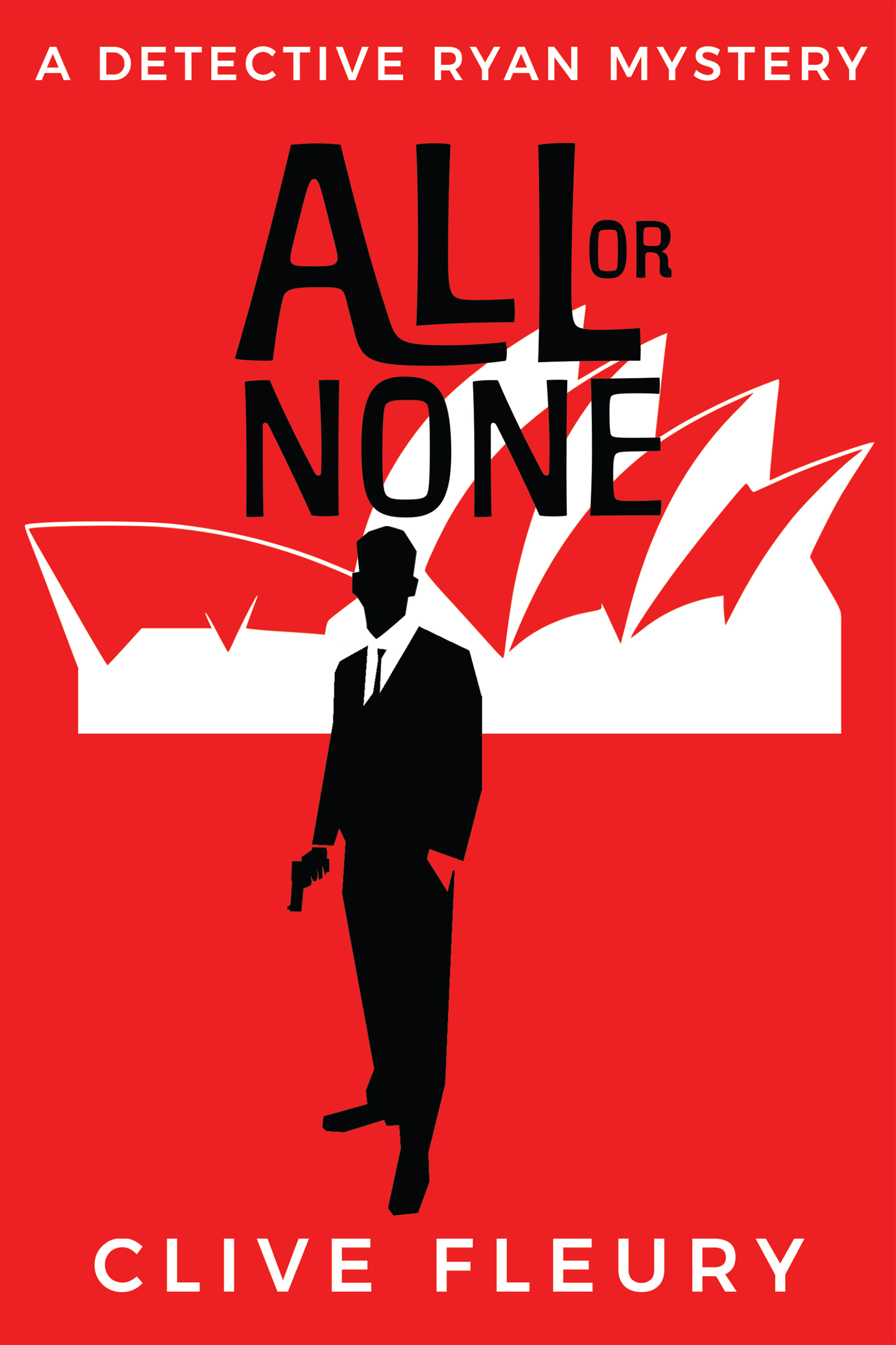
Returning to Sydney, Detective Ramesh Ryan is promoted to the Homicide Squad. Zoe Yang joins him there. Now a detective herself, she is assigned as his junior partner. Straight up, the cops are off and running—investigating the discovery of a murdered company director. Following the clues, Detective Ryan finds that this and a second murder may be linked to past events.
As the pressure mounts for a quick solution to the case, the detective finds that he too, is in the killer’s crosshairs. But Ryan is distracted from the investigation by a romantic encounter with an old university friend. He also worries about his mother, Mumta, and her new obsessive desire for grandchildren from her only son. Could this be linked to her recent medical tests? And there’s another pressing problem—the plague of rats in his apartment block.
Pietro Guffini, aka The Owl, heads one of Australia’s largest crime gangs. He unexpectedly took the position after the sudden and violent death of his predecessor, Oscar Bruno. Now he’s trying to get himself up to speed.
Extract:
Pietro Guffini, aka The Owl, was well acquainted with death, though you wouldn’t know that at first blush. He was someone you could pass on the street without a second glance—stocky, with the neck of an ox, his balding pate sitting atop a square, bespectacled face. Mr. Ordinary. This persona had served him well when, back in the day, he had worked as a driver for Oscar Bruno, then the head of one of the largest and most violent organized crime gangs in Australia. Underneath The Owl’s subservient, everyman demeanor beat the heart of a burningly ambitious man, a cold-blooded killer prepared to do anything to achieve his ultimate goal—to replace Oscar Bruno and head up the crime gang himself.
The Owl’s chance came when Bruno was murdered, killed by a sniper’s bullet. His number two and three had died around the same time, so suddenly, everything was up for grabs. One by one, would-be successors had been eliminated. After all of the blood and mayhem, The Owl was the only man left standing.
After removing all the opposition, he had started going through the accounts and discovered, to his horror, that they were in complete disarray.
Pietro Guffini could have left cleaning the books to a professional bean counter. But anyone examining them would have a complete blueprint of all the gang’s illegal activities. He decided to do it himself.
*Terms and Conditions –UK entries welcome. Please enter using the Gleam box below. The winner will be selected at random via Gleam from all valid entries and will be notified by Twitter and/or email. If no response is received within 7 days then Rachel’s Random Resources reserves the right to select an alternative winner. Open to all entrants aged 18 or over. Any personal data given as part of the competition entry is used for this purpose only and will not be shared with third parties, with the exception of the winners’ information. This will passed to the giveaway organiser and used only for fulfilment of the prize, after which time Rachel’s Random Resources will delete the data. I am not responsible for despatch or delivery of the prize.
About the Author
Clive Fleury is an award-winning writer of novels and screenplays, including most recently the murder mystery Off Season, which was the first in the Detective Ryan Mystery series. He is also a TV/Film writer, director, and producer who has worked for major broadcasters and studios on a wide variety of successful drama and documentary projects, in the US, the UK, Europe, Australia and the Middle East. He has written and directed four feature films, one of which, “Big City Blues,” starred Giancarlo Esposito, the late Burt Reynolds, and Balthazar Getty. His most recent film, “Sons of Summer,” is a surfing movie set on the Gold Coast of Australia and stars Temuera Morrison and Isabel Lucas. Clive currently spends his time between Miami, Florida and Sydney, Australia.
I wasn’t there this year, although I did watch the live stream and scared the cat when my mate Annabel won Best Newcomer. Here’s the BFS post with the winners list.
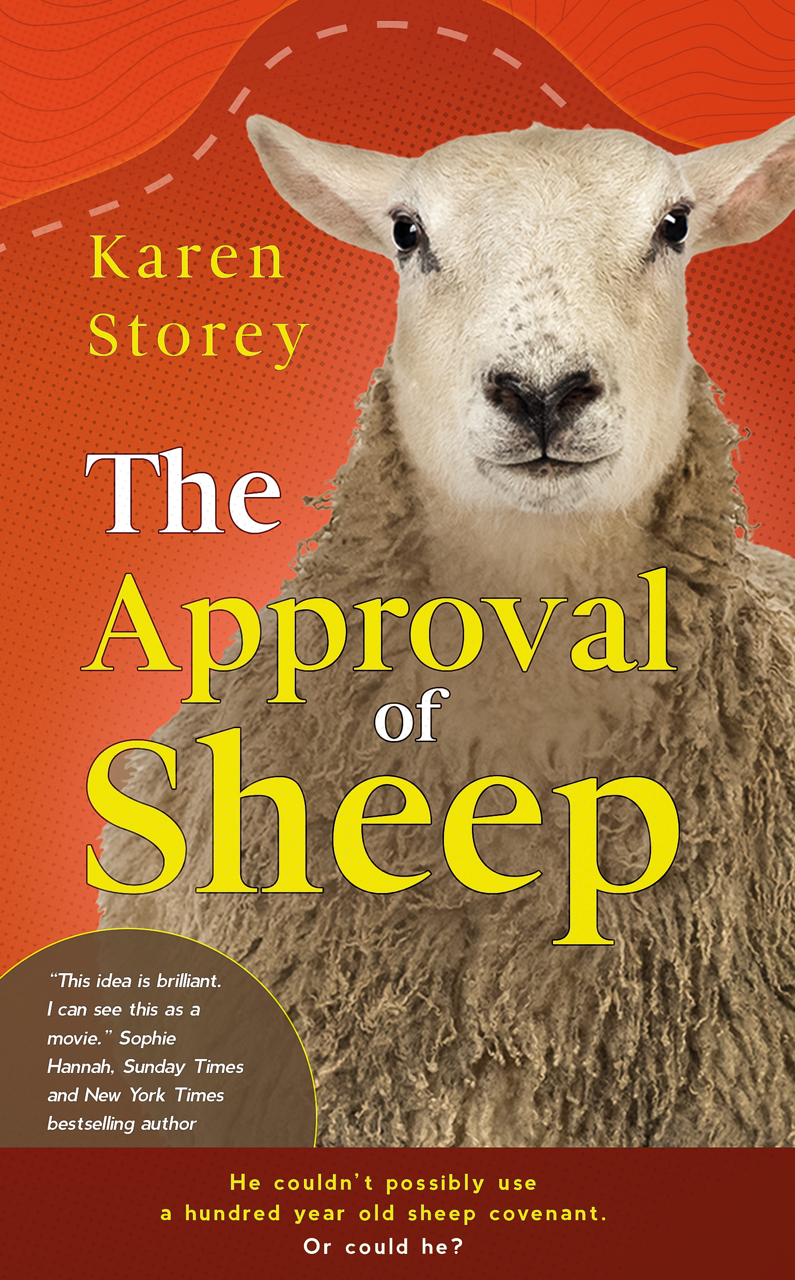
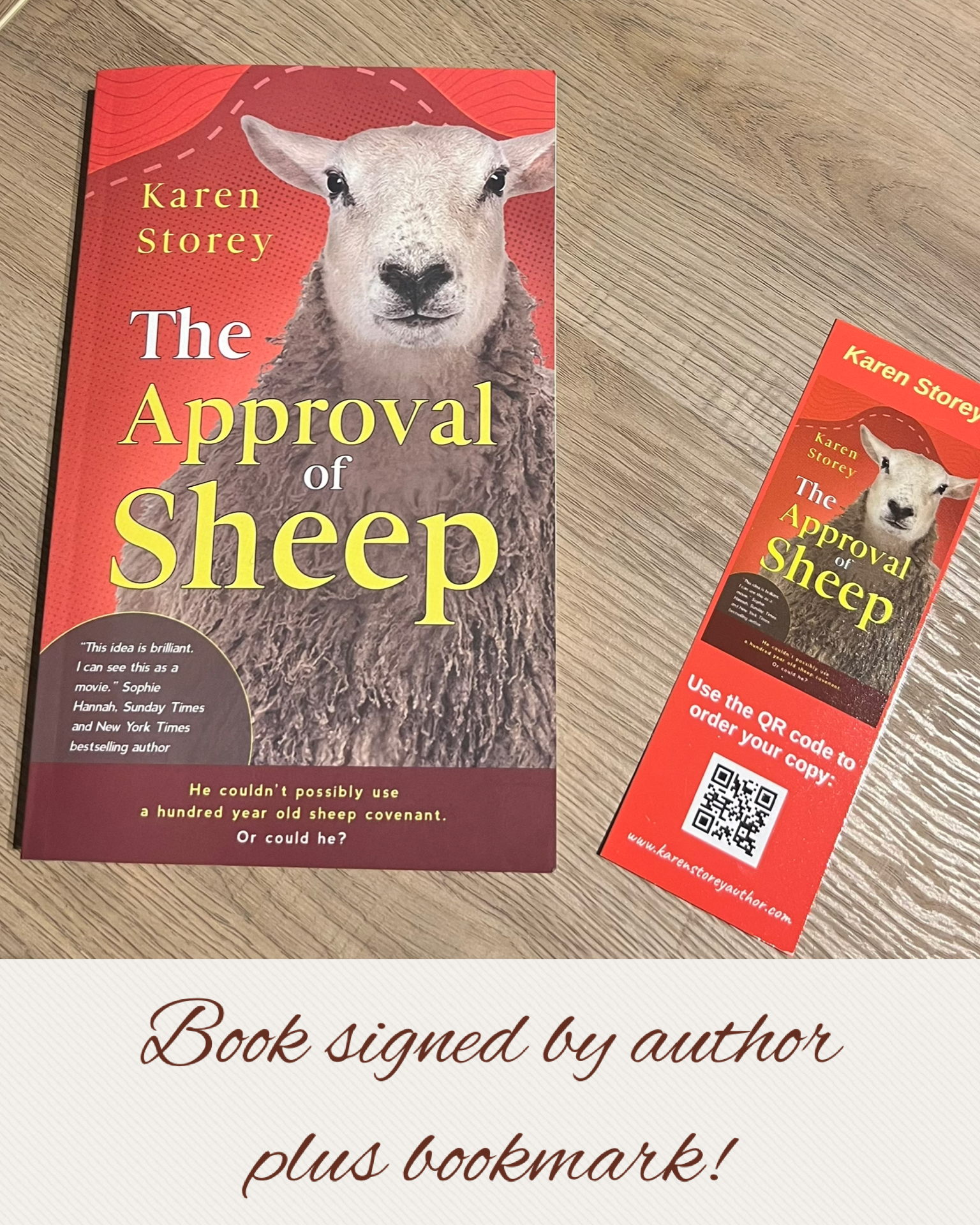
Gordon Slee fears he was never meant to be born. Anxious since childhood after hearing he was an accident, the forty-two-year-old is still struggling to escape the shadow of his high-achieving family.
But a glimmer of hope is on the horizon – a huge promotion within his hotel group is up for grabs, and he is sure that his time has come to make a mark on the world.
However, within his own department, redundancies are afoot. He may lose his job before he gets the chance. Until he learns of a historic covenant that preserves the right for sheep to run through the company’s top London hotel. Could he convince his boss that he’s the man to save the hotel from catastrophe?
Up in Bryn Nefyn, North Wales, live the descendants of the covenant owner. The elderly sheep farmer and his aging hippy brother could use the money the hotel might offer. But along with their strong-willed American shepherdess, they laugh at Gordon’s attempts to negotiate a deal. Surely, they couldn’t use a covenant that’s been forgotten about for over a hundred years.
Or could they?
For lovers of upmarket commercial fiction with a touch of romance and comedy, The Approval of Sheep is an uplifting story about family and love, overcoming adversity and discovering our reason for our place in this world.
*Terms and Conditions –Worldwide entries welcome. Please enter using the Gleam box below. The winner will be selected at random via Gleam from all valid entries and will be notified by Twitter and/or email. If no response is received within 7 days then Rachel’s Random Resources reserves the right to select an alternative winner. Open to all entrants aged 18 or over. Any personal data given as part of the competition entry is used for this purpose only and will not be shared with third parties, with the exception of the winners’ information. This will passed to the giveaway organiser and used only for fulfilment of the prize, after which time Rachel’s Random Resources will delete the data. I am not responsible for despatch or delivery of the prize.
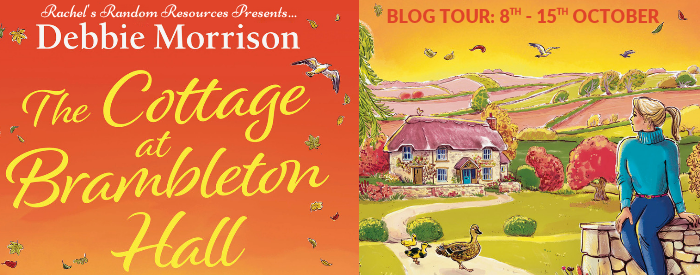
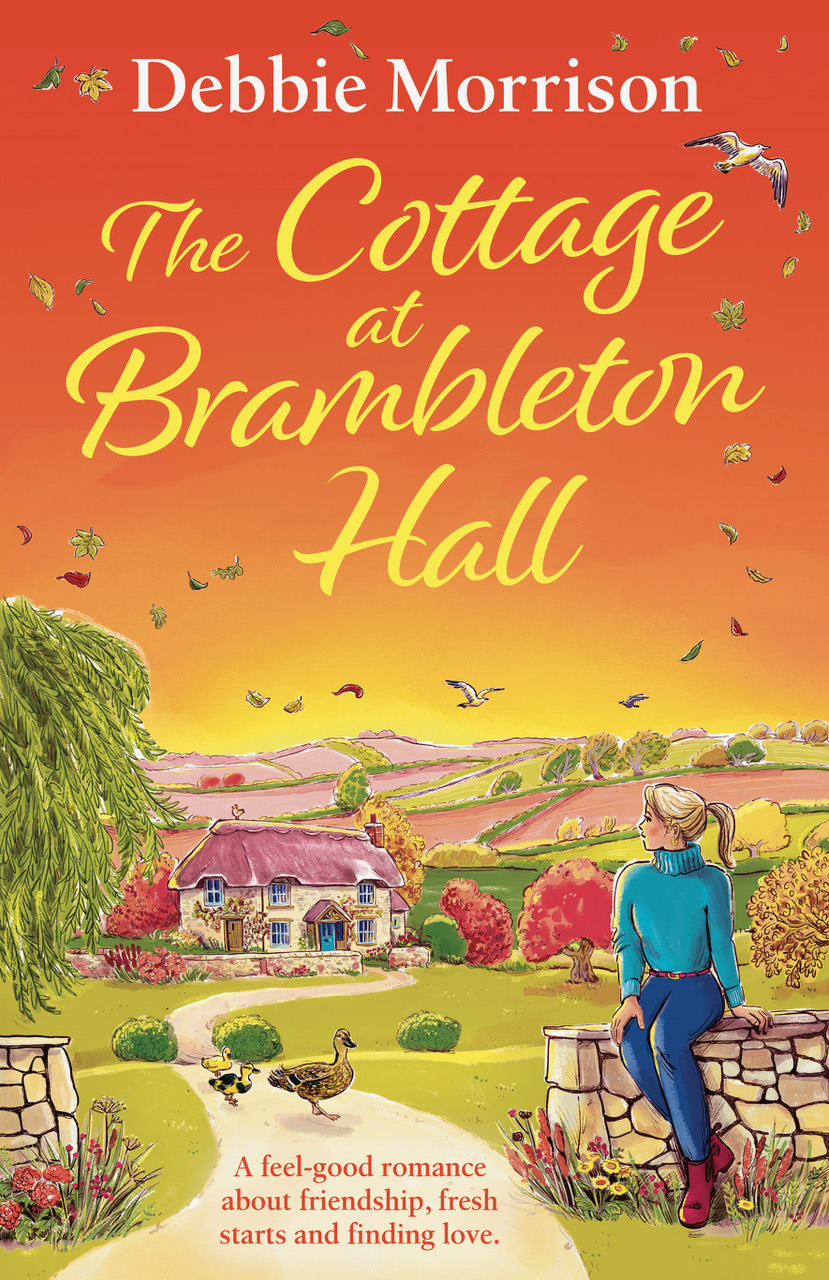
What if your best friend wanted your new life too?
Sammy Jenkins only comes to Brambleton because her best friend Chloe needs a favour. Again.
One shift serving canapés at a North Devon country mansion. Then it’s back to mounting bills and a life that’s going nowhere. Except the owner of the estate sees something in her.
Suddenly, Sammy is being offered a full-time job as housekeeper, complete with a cottage of her own. It’s more than she ever dreamed of, even if Chloe thinks it should all have been hers.
But settling into life at Brambleton Hall isn’t easy. Magnus, the butler, demands perfection. And Nate, the handsome, reserved gardener, gives nothing away. Somehow, though, Sammy is making it work. She has a home that’s just for her, a job she’s good at and Nate might not be quite as distant as he first seemed.
Then Chloe comes to stay.
And while Sammy understands the rules that keep Brambleton Hall running smoothly, Chloe doesn’t see why any should apply to her…
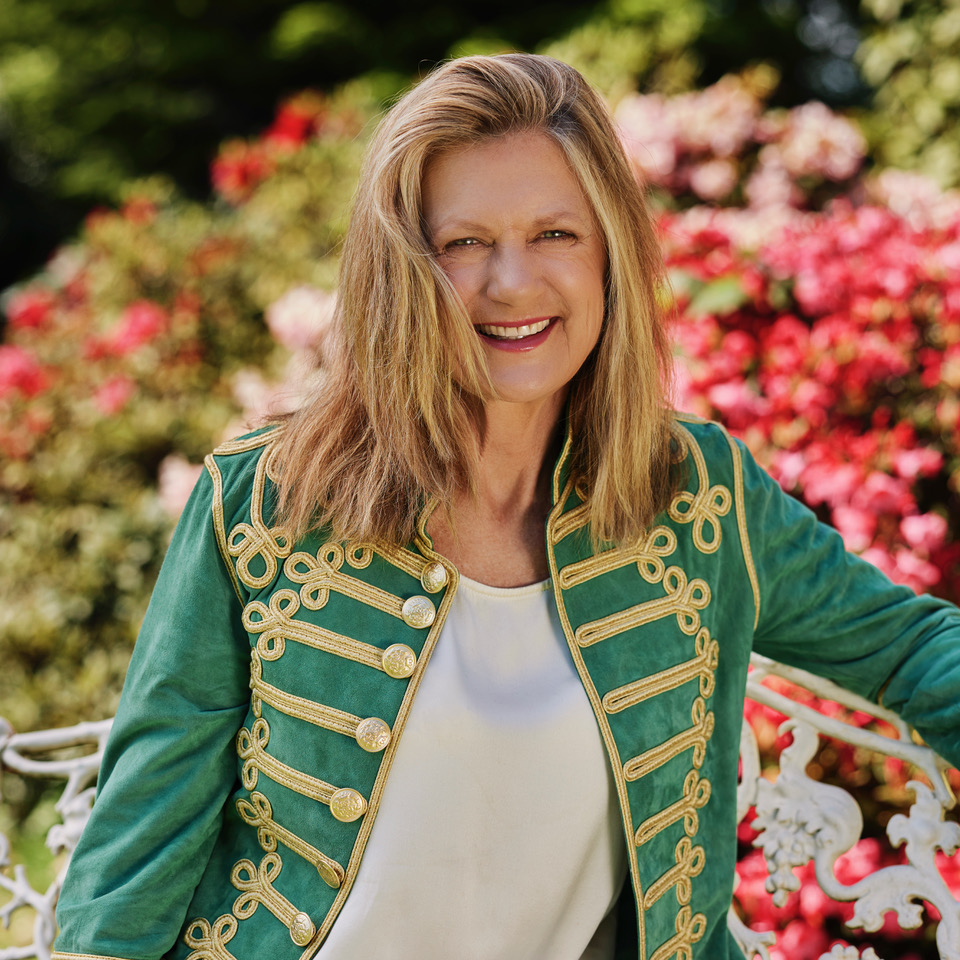
Hi! I’m Debbie. Once upon a time, I was a perfectly respectable London professional – a chartered accountant with a law degree, a Blackberry (remember those?), and too many sensible shoes. Then common sense prevailed, romance called, and I swapped London’s Zone One for Devon’s Zero Signal. I still wonder if leaving the City was brave or simply plot research taken to a reckless extreme.
Currently my “head office” is a polytunnel: no Wi-Fi, but plenty of fresh air and flourishing tomatoes. The plants photosynthesise while I draft havoc; technically off-grid, creatively on fire.
Meanwhile, the dogs run the editorial obstruction department. They possess zero publishing experience yet veto scenes with a single raised paw. Oh, and their union insists on edible compensation only.
These days, I know the real price of life’s essentials: a good haircut, a great friend, and the joy of a proper night’s sleep. I write love stories for grown-ups – warm, witty, stuffed with second chances and the kind of relationships where affection and exasperation create irresistible chemistry – for better for worse.
Think of my indie “publishing house” as one woman, no award-strewn empire, no two-legged staff – just me, two obstinate dogs, and a biscuit budget.
I’ve tried not writing. It didn’t go very well. So I need readers. Not many, just the excellent sort who laugh in the right places. I hope you’ll be one of them.