
Blurb
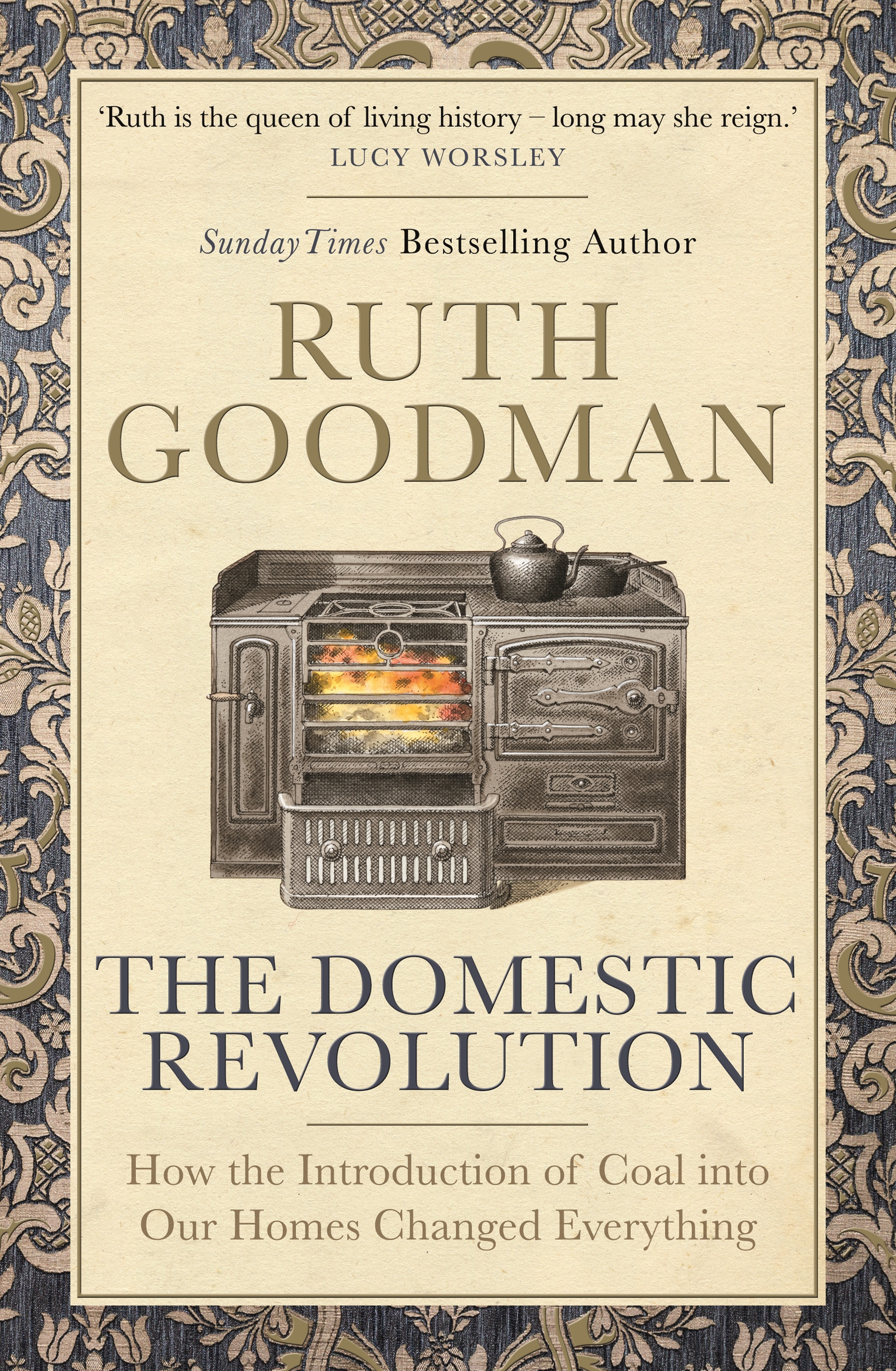
A large black cast iron range glowing hot, the kettle steaming on top, provider of everything from bath water and clean socks to morning tea: it’s a nostalgic icon of a Victorian way of life. But it is far more than that. In this book, social historian and TV presenter Ruth Goodman tells the story of how the development of the coal-fired domestic range fundamentally changed not just our domestic comforts, but our world.
The revolution began as far back as the reign of Queen Elizabeth I, when London began the switch from wood to coal as its domestic fuel – a full 200 years before any other city. It would be this domestic demand for more coal that would lead to the expansion of mining, engineering, construction and industry: the Domestic Revolution kick-started, pushed and fuelled the Industrial Revolution.
There were other radical shifts. Coal cooking was to change not just how we cooked but what we cooked (causing major swings in diet), how we washed (first our laundry and then our bodies) and how we decorated (spurring the wallpaper industry). It also defined the nature of women’s and men’s working lives, pushing women more firmly into the domestic sphere. It transformed our landscape and environment (by the time of Elizabeth’s death in 1603, London’s air was as polluted as that of modern Beijing). Even tea drinking can be brought back to coal in the home, with all its ramifications for the shape of the empire and modern world economics.
Taken together, these shifts in our day-to-day practices started something big, something unprecedented, something that was exported across the globe and helped create the world we live in today.
My Review
Goodman’s hypothesis is that the domestic use of coal in London in the 16th century, made for economic reasons as populations rose and wood became more difficult and expensive to acquire, kickstarted the changes that eventually led to the coal-intensive Industrial Revolution, the use of paint and paper in houses instead of wall hangings, soap replacing lye for cleaning, and then being a symbol of superiority that spread to colonies and Imperial possessions.
This book covers cleaning and cooking from the earliest times to the modern period, from wood to coal. But it doesn’t just cover the domestic. The many fuels used to heat and cook before coal are discussed, their origins and farming. How coal was first extracted and the developments in mining, the economic factors affecting coal and wood, soap and food. All the basic things needed to live.
Goodman’s insights are based on personal experience over 30 years as a social historian and living historian, as well as expansive research into original documents.
This book has an unexpected depth and breadth that I found fascinating and kept me glued to the pages even when I should have been sleeping. Goodman writes with an easy grace and humour that shows skill and an in-depth experience of the subject.
Author Bio
For the first time, shows how the Industrial Revolution truly began in the kitchen – a revolution run by women.
Told with Ruth’s inimitable wit, passion and commitment to revealing the nitty-gritty of life across three centuries of extraordinary change, from the Elizabethan to the Victorian age.
A TV regular, Ruth has appeared on some of BBC 2’s most successful shows, including, Victorian Farm, Edwardian Farm, Wartime Farm, Tudor Monastery Farm, Inside the Food Factory and most recently Full Steam Ahead, as well as being a regular expert presenter on The One Show. The critically acclaimed author of How to Be a Victorian, How to be a Tudor and How to Behave Badly in Renaissance Britain.

 Everything Is Better With Dragons