
Title: Witchstorm
Authors: Tim Tilley
Publisher: Usborne
Release Date: 29th September 2022
Genre: MG (8 – 12 year olds)
Summary
Join a hunt for lost witch treasure, in an enchanting adventure story of storms, spells, and the magic of the natural world, from bestselling and award-winning Tim Tilley.
Will believes in witches and the stories he’s grown up with – of mythical storm-lions, disappearing villages, and secret songs. Most of all, he believes the tales of magical treasure hidden in the Fens centuries ago. Treasure that he has to find, to solve the mystery of his Ma’s disappearance.
Then, in the eye of a storm, a witch arrives. She holds the key to finding the lost treasure – a powerful magical object that can summon storms. But someone else is searching for it too. If it falls into the wrong hands, Will’s beloved home could be destroyed, and with it, his chances of ever finding his ma.
Join Will on an epic quest filled with riddles, ruined towers, cloud cities and broomstick chases, on a journey to save everything he loves before time runs out.
My Review
Thanks to Bee at Kaleidoscopic Book Tours, and to Usbourne for sending me a copy of this book.
I’ve just finished this book; at 330 pages with illustrations, it is a chunky chapter book for junior school children. Themes of the book include family, caring for nature, and friendship. I cried a bit at the end.
The story is told in the first person by Will Northey, a young lad who has grown up on a riverboat on the Fens, in the 1930s. He loves nature and baking pies with his mum, cycling with his friend Alfie and making fish traps with his dad. Except his mum has disappeared and his dad is obsessed about a great storm coming, and Alfie has a new friend, Cole.
Will goes on and adventure and makes new friends, discovers a great secret and helps to repair the damage done by others. There are witches, flying boats, ruby amulets, magic towers and all sorts of fun. As well as flooding and a very fast motor car.
The friendship between Will and Magda is rocky to start with but builds to a strong relationship as they go through peril and excitement, escape capture and fall 100 yards from a flying city. Like you do.
I love the family dynamic between Will, his parents and his aunt Hera, an archaeologist, a woman who wears shirts and trousers, drives a car very fast, and lives in a museum-like house on stilts. She’s marvellous.
I liked the use of folklore and history from the Fens; the Black Shuck (a big black dog, whose presence foretells death and disaster) that is common in much of Eastern England, the witches of the 17th century, and the endless threat of flooding.
The Fens are a man-made environment, but they’ve been there for almost 2000 years, as there is evidence that the Romans brought experts from the Netherlands to drain the east coast of Britain. From the 12th century draining became more extensive, reclaiming land lost after the Roman period and extending it. I live in northern Lincolnshire but have spent time in the south of the county, in Fen country. It’s flat! You can see for miles; the roads are above the level of the fields and everywhere there are drainage ditches. It is intensely farmed land, because it is so fertile. In the late 19th and early 20th centuries the traditional small fields were enlarged and many water meadows and wildflower pastures were ploughed up. It had a devastating effect on the local wildlife, much of it rare and specific, and made flooding worse. The loss of wildflower pastures is a part of the story, which helps to place it in time. I enjoyed the use of the historical context in a fantasy version on early twentieth century England.
I think this is a good introduction to magical realism for children. Hopefully they’ll learn about the natural world and the importance of caring for the world from it, and also go on to read other magical realism.
Also, witches were never burnt in England, they were hung, but only if they committed murder or treason. And men could be witches. There was a vicar who was accused of being a witch. And the witch hunters were never an official organisation, they were often religious opportunists, who took advantage of the unsettled times in the 1600s (civil wars and religious change) to make money through persecution and played on pre-existing rivalries and resentments.
Author Information
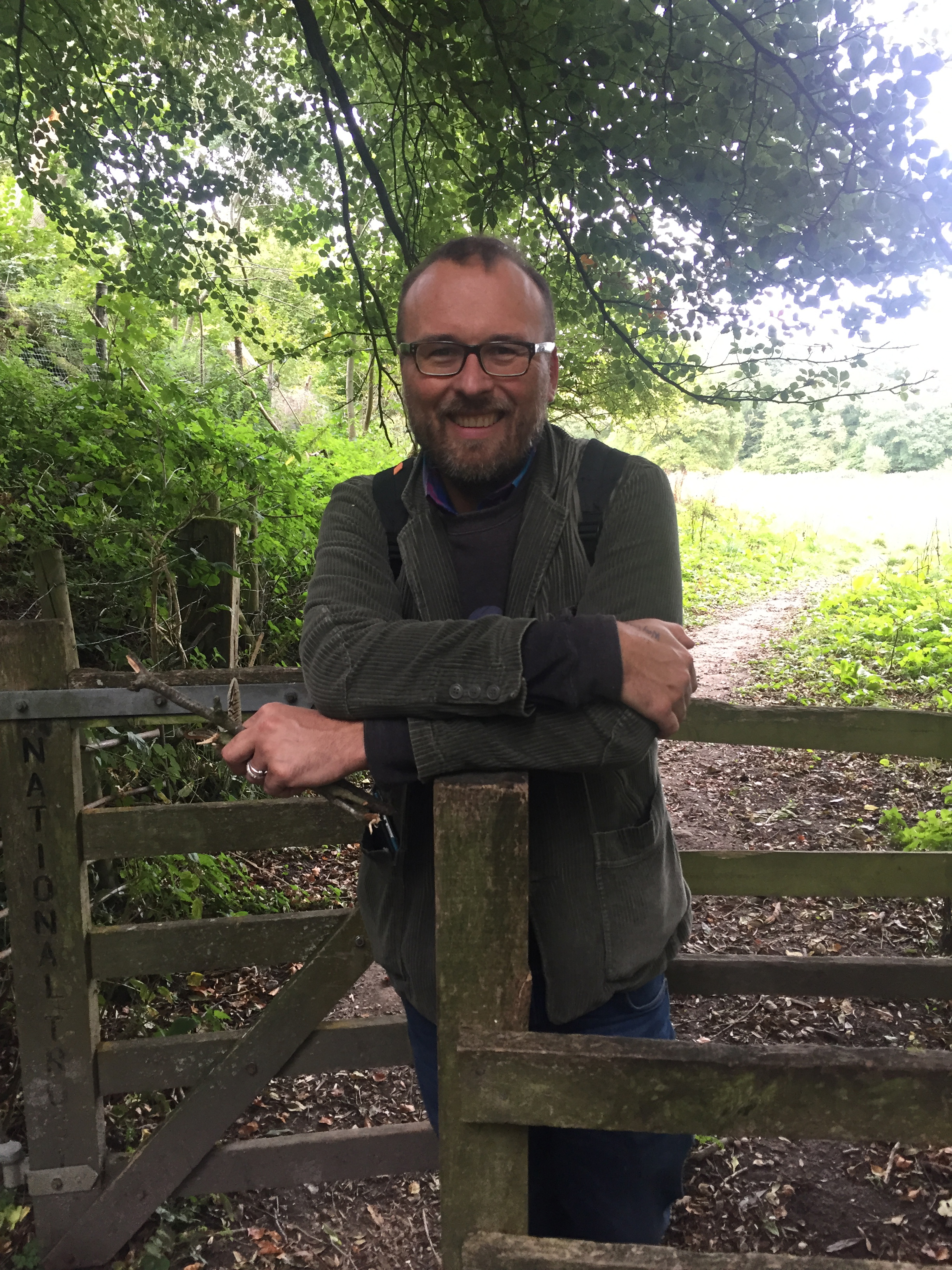
Tim Tilley studied illustration at Anglia Ruskin University and now teaches children’s book illustration courses at City Lit. He is always watchful of the world around him and loves collecting and drawing beautiful snapshots of nature, relishing the small things people often miss. Tim’s debut children’s book, the bestselling and critically-acclaimed Harklights, is the winner of the Joan Aiken Future Classics Prize and the Junior Design Award.
Twitter: http://twitter.com/timbertilley
Instagram: http://instagram.com/timbertilleytales

 Everything Is Better With Dragons
1 Comment