
2022
Price £16.99
EAN\ISBN-13 9781913068738
Travel & holiday
(WT)
Biography: general
(BG)
Binding Hardback
Blurb
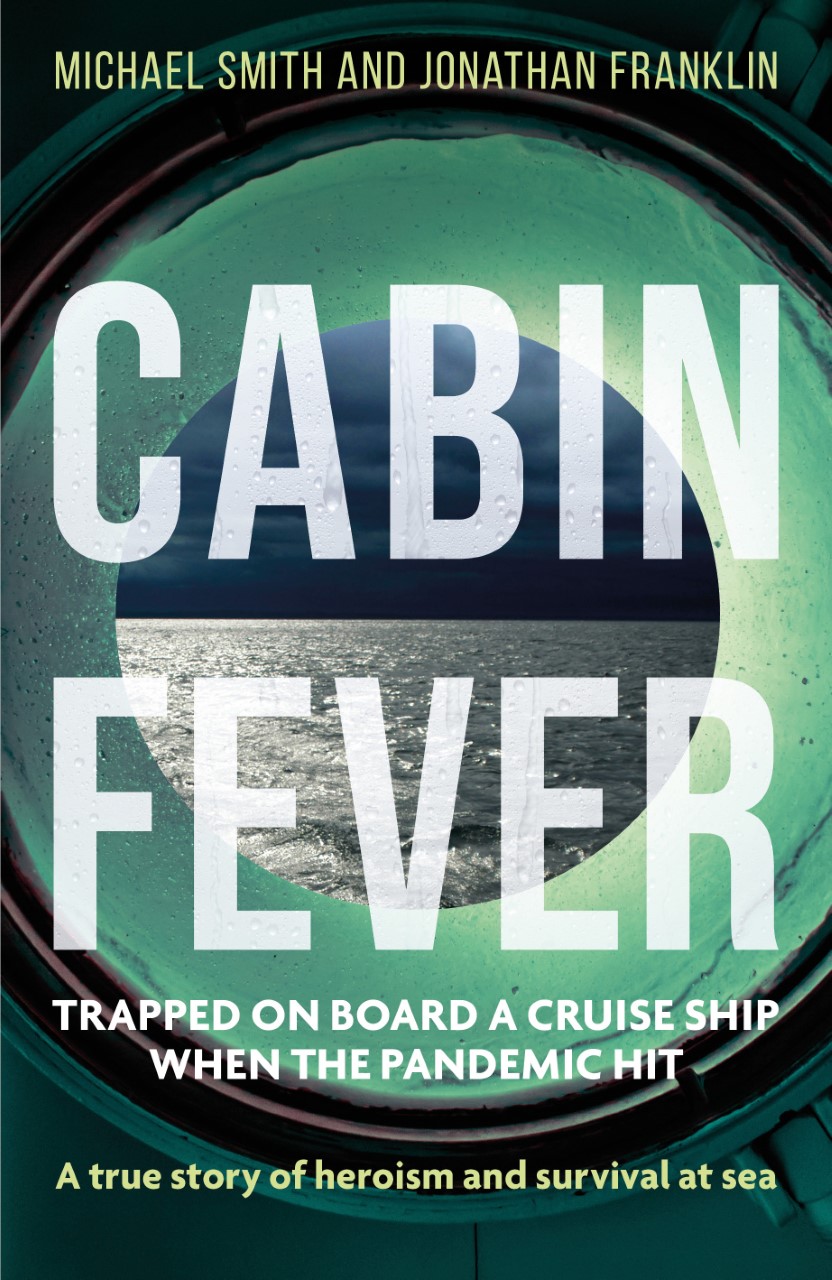
The harrowing story of the Zaandam cruise ship, which set sail with a deadly and little-understood stowaway – Covid-19 – days before the world shut down in March 2020. A story of human kindness, peril and bravery.
In early 2020, the world was on edge. An ominous virus was spreading and no one knew what the coming weeks would bring. Far from the hotspots, the cruise ship Zaandam was preparing to sail from Buenos Aires loaded with 1,200 passengers – British, American, Australian, European and South American tourists, plus 600 crew. Most passengers were over the age of 65.
There was concern about the virus in the news but that was oceans away. Escaping to sea at the ends of the earth for a few weeks seemed like it might be a good option. The cruise line had said the voyage would go ahead as scheduled and it would be safe.
Within days, people aboard the Zaandam began to fall sick. The world’s ports shut down. Zaandam became a top story on the news and was denied safe harbour everywhere. With only two doctors aboard and few medical supplies to test for or treat Covid-19, and with dwindling food and water, the ship wandered the oceans on an unthinkable journey
Cabin Fever is a riveting narrative thriller, taking readers behind the scenes of the ship’s complex workings, and below decks into the personal lives of passengers and crew who were caught unprepared for the deadly ordeal that lay ahead. It is a story layered with moments of peril, perseverance and kindness. A remarkable tale that is filled with individual acts of heroism and the struggles and the tragedies of the crew and passengers.
My review
Thanks to the blog tour organiser, Anne, at Random Things Tours, and the publisher for this tour and my copy of the book. I wanted to read this book because the news of a cruise ship being quarantined because COVID-19 was running rampant on board and people weren’t being allowed to disembark in February or March 2020 was when my feeling of ‘ooh, this is an interesting disease’ became ‘we’re screwed, better hunker down’. I hadn’t heard about the Zaandam in particular, but other ships belonging to the same company had come to my attention.
I remember the day before Lockdown 1 was announced, going to the pool and feeling the tension in the air, and also feeling that it was likely to be the last time I’d be able to go swimming for a very long time. I can’t imagine why anyone would think it was a good time to get on a cruise ship with almost 2000 other people, in a confined space, and travel to different countries. There was a lot of fear and confusion about COVID 19 and panicking governments, but I was reminded of the 14th century Great Pestilence, which also arrived by ship, so I can understand, to a certain extent, the fears of local authorities in port towns, especially in very isolated places, with small and vulnerable communities.
I read this book in an evening. It was gripping and highly emotive. I cried a lot reading this book, feeling so much empathy for the people who were caught up in a terrible situation. I was also angry for them and at the cruise company. There were no medical checks or checks of previous travel. People with coughs and fevers, and people who had recently been in Covid-19 hotspots were allowed to board when they should have been quarantined. Before the Zaandam even left port they’d already had outbreaks on three of the company’s ships, but greed wouldn’t allow Carnival to cancel the cruise, or give people who might be worried or vulnerable a chance to cancel with a refund. This policy killed at least one of the people this book talks about and almost killed another. The authors took the information available, interviews and official documents and wove a fluid, fascinating tale, that balances compassion for the guests and crew, with criticism of the cruise line company.
The book also shows the terrible conditions crew work and live in, especially those in the service industries, like hospitality and housekeeping. Everyone works 12 hour days 7 days a week during a cruise, but the ‘more important’ crew members get better accommodation. While I understand that a captain and bridge crew need to be seen to be in good cabins, the ship wouldn’t function without the cooks, pot washers, laundry staff, cleaners, engine room crew etc. yet they live in dark, tiny cabins, two to a room and share a bathroom with another cabin. It’s a recipe for contagion! The working conditions practically guaranteed that the crew would get sick and probably pass the virus back to guests and each other. The support/housekeeping/hospitality crew, the ones hidden in the bowels of the ship, took up the strain magnificently, continuing in the face of sickness, death and shortage of staff and equipment. More people would have died if it weren’t for them.
While the attitude of many governments and local authorities was shockingly bad, and probably caused some of the deaths by preventing the Zaandam from putting into port and providing medical aid, the attitudes of seafarers was much more empathetic. Pilots and coast guards, crews from other cruise ships and medical officers, all risked their lives to help the stranded ship get home. It took heroic efforts from diplomats to allow them to help their fellow seafarers and get people home or to medical care, and especially in Panama, everyone involved in the process of getting the Zaandam and Rotterdam through the Canal deserve every praise. I must admit to crying when reading the quotes from the pilots and the head of the Pilots Union because of their empathy and humanity towards a stranded ship and their wish to show the world how they should behave in the face of a new and frightening disease.
This book is a fascinating insight into a very painful, chaotic, and frightening time in recent history, with a very specific focus. It is also and indictment of the greed of cruise line owners and their treatment of crews.
Author Biography

Michael Smith (Author)
Michael Smith is an award-winning investigative reporter at Bloomberg Businessweek.
His stories document financial crimes, the business of narcotics and human trafficking and environmental and labour abuses in corporate supply chains. Smith has won dozens
of awards over his 30-year career, including the prestigious George Polk, Maria Moors Cabot, Robert F. Kennedy and Overseas Press Club prizes. Recently, he has reported extensively on the Covid outbreaks on cruise ships. He is based in Miami. Cabin Fever is his first book. Twitter: @SmithMarkets.

Jonathan Franklin (Author)
Jonathan Franklin is an award-winning public speaker, investigative journalist and
author. Franklin’s previous books include A Wild Idea, 438 Days: An extraordinary story of survival at sea (now under development as a major motion picture) and The 33, the inside account of the dramatic Chilean mining rescue and a US bestseller. A native of New Hampshire, he splits his time between Portland, Maine and Punta de Lobos, Chile where he lives with his wife and daughters. Twitter: @FranklinBlog.

 Everything Is Better With Dragons
Thanks for the blog tour support x