
09 November 2023
£20.00
978-1-9157-9896-1
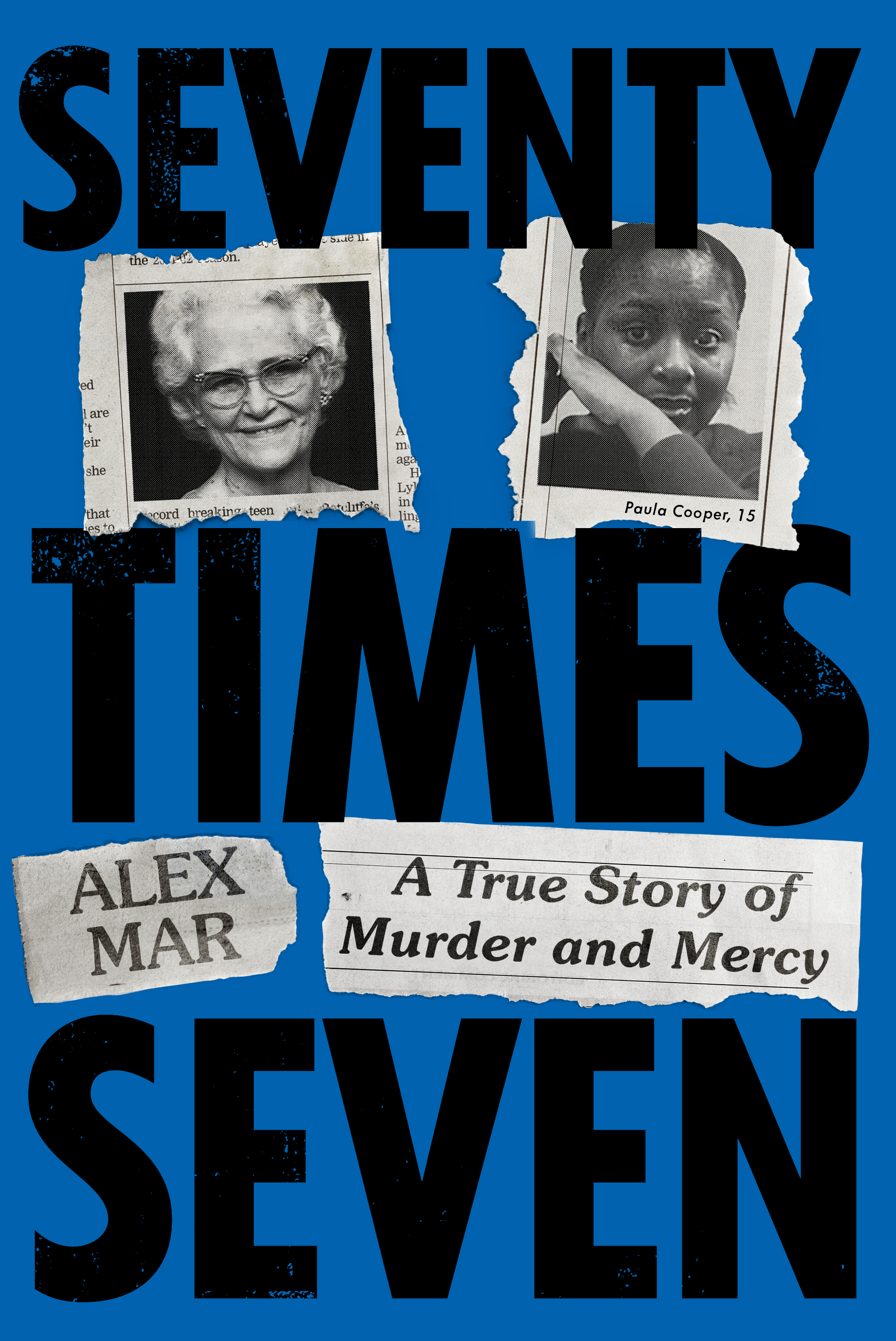
A masterful, revelatory work of literary non-fiction about a teenage girl’s
shocking crime — and its extraordinary aftermath.
On a spring afternoon in 1985 in Gary, Indiana, a fifteen-year-old black girl kills a white elderly bible teacher in a violent home invasion. In a city with a history of racial tension the press swoops in.
Paula is sentenced to death, no one decries the impending execution of a tenth grader. But the tide begins to shift when the victim’s grandson Bill forgives the girl, against the wishes of his family, and campaigns to spare her life. This tragedy in a midwestern steel town soon reverberates across the United States and around the world — reaching as far away as the Vatican — as newspapers cover the story on their front pages and millions sign petitions in support of Paula.
As Paula waits on death row, her fate sparks a debate that not only animates legal circles but raises vital questions about the value of human life. This story asks us to consider the nature of justice, and what radical acts of empathy we might be capable of.
My Review
Thanks to the publisher for sending me a copy of this book and to Anne for organising this tour.
In 1985, four Black teenage girls, between the ages of 14 and 16, skip school for the afternoon. Bored, they go to rob an elderly white Bible teacher, called Ruth Pelke. One of the girls stabs her 33 times, They’re caught within days and the justice system goes into overdrive to have the girls sent to adult court and given the death penalty. It becomes a crusade for the prosecutor, Jack Crawford. The press go into overdrive, demanding death for the ‘monsters’.
Three are given varying jail sentences, but the girl who wielded the knife gets the death penalty. Her name is Paula Cooper. She is the only woman on death row in Indiana, and she’s a child still, at 16 when convicted.
A new set of crusades starts – to stop juveniles being executed.
One of Ruth Pelke’s grandchildren, Bill, has a moment up in his crane one night – he has to forgive his Nanna’s killer. Bill has a complicated story of his own and the death of his Nanna triggered a couple of catastrophes. He turns to prayer to help deal with his depression. He starts writing to Paula and gets to know her. It causes problems with his family, but Bill forges ahead and joins groups of death penalty abolitionists. He devotes his life to abolition.
Meanwhile, Paula Cooper’s appeal team go into action, recruiting academics, law professors and constitutional experts to show that the judicial killing of a child counts as cruel and unusual punishment. Local politicians bring forward motions to increase the death penalty lower age limit to 16 years old – in Indiana it was 10 years old.
Then the Italians get involved. Seriously, the news of a girl getting given the death penalty in the US shakes up Italy. People are astonished and appalled. The Franciscans get involved, and then the Pope.
We learn about the campaign to abolish the death penalty or make it impossible for juveniles to be sentenced to death; the actual murder was quite straight forward, the aftermath is the real meat of the writing. The development of organisations for murder victims’ family members, abolitionist organisations, and the judicial responses are fascinating and touching to read.
The book brings us right up to the present day, giving us an idea of where everyone involved is. Many are dead, including all but one of the four women involved in the murder of Ruth Pelke. The author met many of those involved, including Bill Pelke, and Rhonda, Paula’s sister.
Mar examines the characters and events with empathy and a clear eye. She goes far and wide, into the past, and across the world, to bring together the details of the murder case and the events that followed, and how the murder of Ruth Pelke changed the rules on the death penalty in Indiana. Bill Pelke is one of the most complex and sympathetic people, who went on a difficult journey.
The writing in this book is so fluent and I stayed up far too late reading it, because I was entranced with events. The passion of appellate lawyers Monica, Bob and Patti, the fascination of juvenile death penalty expert and law professor, Victor who’s data saved multiple juveniles from the death penalty across the US, and the unexpected influence of both Bill Pelke and the Vatican, really comes to life.
Mar also explores why people demand the death penalty, and the clear explanation is retribution. We hear from prosecutors and pastors who believe that some people need to be killed for their crimes. We meet family members of murder victims and lawyers who oppose the death penalty, because they want justice, not retribution. I’m personally opposed to the death penalty; it’s always struck me as a pointless exercise in retribution and revenge, not seeking justice or reconciliation. It doesn’t work as a deterrent and, like torture, only serves to allow politicians to claim they’re ‘tough on crime’. Learning about the people and events in this book has only strengthened my stance. I can understand why people want to kill the person who killed a loved one, that’s a normal emotional response. Does it really help in the long term though? Does it help you heal? Does it change the circumstances that led to the crime?
The idea of punishing children as adults also appals me. Human brains do not mature completely until our mid-twenties; this information had been known for quite some time now, and it should be taken into account when young people go through the judicial system, wherever they are. The US is one of the few places where children (those under 18) can be tried in adult court and condemned to adult prison. There is little interest in rehabilitation, yet these young offenders are the ones who would most benefit from rehabilitation, education and support to return to society. This book highlights the difficulties of people re-entering society after long prison sentences where there are no or limited services to support that.
The book is well referenced, noted, and indexed.
I highly recommend this book.

Alex Mar is the author of Witches of America, which was a New York Times
Notable Book of 2015. Her work has appeared in New York Magazine, Wired, The New York Times Book Review, The Wall Street Journal and the Guardian. She also directed the feature-length documentary American Mystic.

 Everything Is Better With Dragons
Thanks for the blog tour support x