
Description
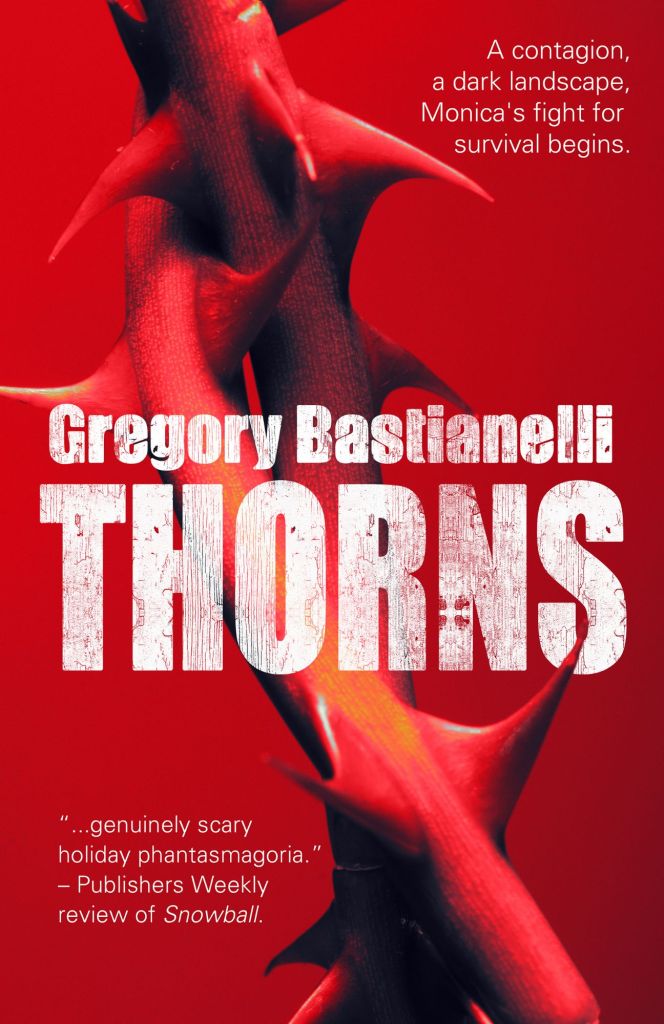
A deadly contagion spreads throughout the world, while scientists grapple to find a cure before it’s too late…
Dr. Monica Cucinotta works on the front lines of a hospital in Cassino, Italy,
dealing with a deadly contagion that causes thorns to erupt along the surface of the body. When Monica becomes infected with the virus and must leave the hospital, she begins ajourney across the dark landscape of a pandemic world where she meets the best and worst of humanity that tests her belief in science and faith as she struggles to return home to her loved ones.
My Review
Thanks to Anne from Random Things Tours for organising this blog tour, to the team at Flame Tree for sending me a copy of this book, and to my phone, for having an Internet connection when my BT broadband went down.
The Internet is a mess and my house is upside down because I’m moving next week and I’m utterly exhausted. After I spent a couple of hours packing in ridiculous heat, I settled in for a Sunday afternoon read. It helps with the anxiety. At least I don’t have a blog tour hanging over me…I stopped long enough to put some Beyond Burgers in the oven at 3pm, then forgot them until I finished reading. I’m currently eating almost cold Burgers with onions and coleslaw in bagels. I have an apple and crisps for dessert. Because I’m an adult and I can eat toddler food if I want to.
The reader follows Dr Monica Cucinotta as she relives the events of a terrible pandemic on her final journey from the hospital in Cassino where she was infected by a patient back to her home in Sero. Along the road she meets people, escapes several rapists, finds a cat eating widow, an old man guarding his sister’s dead body, a family desperate for treatment for their youngest child, a group of pilgrims lead by a mad priest, a crazed undertaker, an American tourist, and a lonely orphan.
The walk takes 36 hours, and an that time we get a deep sense of Monica’s life and the emotional torment she’s in. Torn between the family she loves and her duty as a doctor, which eventually kills her, she is driven by her need to return to her family, to die at home.
I cried a lot. I feel this book was informed by the covid-19 pandemic, and the early days and months before the vaccines were developed. It brought back a lot of the distress from those days. It is clear that the testimony of those medical professionals who worked in the pandemic informed Monica’s development as a character, and the events of the novel. The slow acceptance of lockdowns, the lack of a cure and limited treatments for the symptoms, the sudden overwhelming influx of patients, deaths that never seem to stop.
In the book, the Oxford trials fail. In reality, they succeeded. But imagine if they hadn’t. Imagine if the disease spread rapidly and killed all of its hosts. Diseases that kill die out quickly, but what if it can spread from dead bodies like ebola does, as well as in droplets on your breath, bodily fluids like blood from a cut, and it has ways to cause cuts. It’s too horrifying to think about. The same horror we feel when talking about thd black death, when no-one knew what caused it. There’s a reference to that plague, or series of plagues, in the book. An orphan, Tino, warns Monica to beware the body collectors, using a word for the 17th century burial workers who collected and buried the dead. Tino is right to warn her, although not because the collector will kill her.
Along the journey, Monica makes a series of decisions that make her life harder but also reflect her reaction to circumstances. It’s quite moving to read her interactions with lonely older people and scared children. Her interactions with all but a few younger men are more frightening. The friendly American graduate who attempts to rape her and then blames and beats her when he realises she has the infection; the policemen looking for her, whom she witnesses murdering two other men; the undertaker who rescues her when she collapses in the street from exhaustion. People who shouldn’t be threatening but are. The normal rules don’t apply; Monica is a doctor, used to being respected and deferred to. In her walk home, she becomes aware of the dangers most people assigned female at birth and those who identify as women are all to aware of, usually. Her position as a doctor, from a respected family with a loving father has insulated her until this point.
Other insulation falls away as she walks and realises that some of the things she did as part of her job were cruel and she is faced with the consequences to other people as she travels. She has to deal with her guilt and the pain she caused by following the rules. She also deals with her guilt for working instead of hiding at home with her son and husband. And her religious guilt. She comes to terms with a lot over her journey, and I finished the novel sobbing.
If you’re still processing the trauma of thd pandemic, this might actually help. On the other hand, maybe not. Depr is on your individual circumstances. I’ve read a few early pandemic narratives, mostly non-fiction, at this point, so I’ve built up some tolerance.
The author describes Italy with such care, it’s obvious he loves the home of his ancestors and has visited enough to give a clear sense of the landscape, environment, social norms, and people. I could be wrong, I’ve never been, only seen documentaries, tv series and pictures. I’ve been told about Italy by people who’ve visited, and one say I’ll make it there myself, but it’s a way off.
This is a moving story with a particularly horrific disease. Thank fuck we only have to deal with viruses, funguses, and bacteria…
About the author
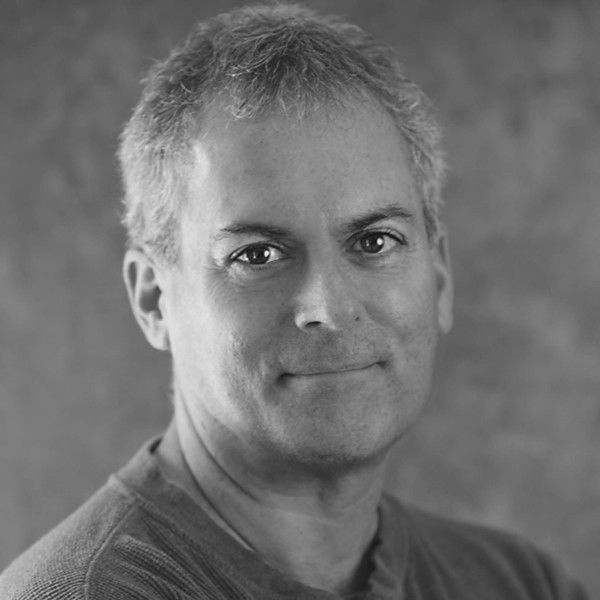
Gregory Bastianelli is the author of the novels October, Shadow Flicker, Snowball, Loonies, and Jokers Club. He
has been hailed by Horrornews.net as the “messiah of macabre”and his work has been described as a”dark, disturbing treat” by Publishers Weekly. He lives in Dover,
NH and enjoys traveling, especially to his ancestral home in Italy. He is a member of the Horror Writers Association and the New
England Horror Writers.


