Review: The Power of Trees, by Peter Wohlleben, Translated by Jane Billinghurst

Hardback / 20 April 2023 / £18.99

In the follow up to his Sunday Times bestseller, The Hidden Life of Trees, Peter Wohlleben compares tree planting to battery farming

‘In clear, vivid prose with impeccable reasoning, Peter Wohlleben makes a compelling case that almost everything we do in modern forestry management may be dead wrong. What should we do instead? Let the wisdom of the trees quell our human arrogance, heal the forest and restore our sweet, green world’
Sy Montgomery, author of How to be a Good Creature and The Soul of an Octopus

TREES CAN SURVIVE without humans, but we can’t live without trees. Even if human-caused climate change devastates our planet, trees will return—as they do, always and everywhere, even after ice ages, catastrophic fires, destructive storms, and deforestation. It would just be nice if we were around to see them flourish.

The Power of Trees is forester Peter Wohlleben’s follow-up to The Hidden Life of Trees, a Sunday Times bestseller that sold millions of copies worldwide. In his latest book, he is dismissive of token gestures in terms of tree planting. Just as he compared forest trees to ‘families’ and urban trees to ‘street urchins’ in his first book, in The Power of Trees he uses equally powerful metaphors to compare tree planting to battery farming (‘Switching to fast-growing species and breeding trees for desired traits brought results like those achieved by factory farming: individuals ready for harvest at a young age, all with a relatively uniform carcass weight.’).  However, he also joyfully describes trees determination to survive, describing seedlings breaking through the earth where you least expect them, as ‘stalwart tree children’.

This latest work is as fascinating and eye-opening as it is trenchant in its critique: on the one hand, Wohlleben describes astonishing discoveries about how trees pass knowledge down to succeeding generations and their ability to survive climate change; on the other, he is unsparing in his criticism of those who wield economic and political power—who plant trees exclusively for the sake of logging and virtue signaling—even as they ruthlessly exploit nature. The Power of Trees is a love letter to the forest and a passionate argument for protecting nature’s boundless diversity, not only for the sake of trees, but also for us.

Continue reading “Review: The Power of Trees, by Peter Wohlleben, Translated by Jane Billinghurst”
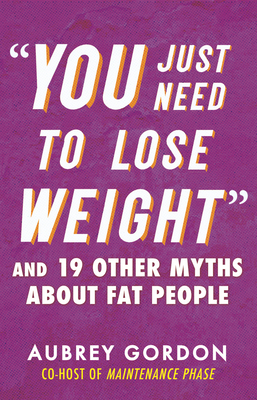
TBR Pile Review: “You Just Need To Lose Weight” and 19 other myths about fat people, by Aubrey Gordon

Format: 224 pages, Paperback

Published: January 10, 2023 by Beacon Press

ISBN: 9780807006474 (ISBN10: 0807006475)

Language: English

Blurb

The co-host of the Maintenance Phase podcast and creator of Your Fat Friend equips you with the facts to debunk common anti-fat myths and with tools to take action for fat justice

The pushback that shows up in conversations about fat justice takes exceedingly predicable form. Losing weight is easy—calories in, calories out. Fat people are unhealthy. We’re in the midst of an obesity epidemic. Fat acceptance “glorifies obesity.” The BMI is an objective measure of size and health. Yet, these myths are as readily debunked as they are pervasive.

In “You Just Need to Lose Weight,” Aubrey Gordon equips readers with the facts and figures to reframe myths about fatness in order to dismantle the anti-fat bias ingrained in how we think about and treat fat people. Bringing her dozen years of community organizing and training to bear, Gordon shares the rhetorical approaches she and other organizers employ to not only counter these pernicious myths, but to dismantle the anti-fat bias that so often underpin them.

As conversations about fat acceptance and fat justice continue to grow, “You Just Need to Lose Weight” will be essential to ensure that those conversations are informed, effective, and grounded in both research and history.

Continue reading “TBR Pile Review: “You Just Need To Lose Weight” and 19 other myths about fat people, by Aubrey Gordon”

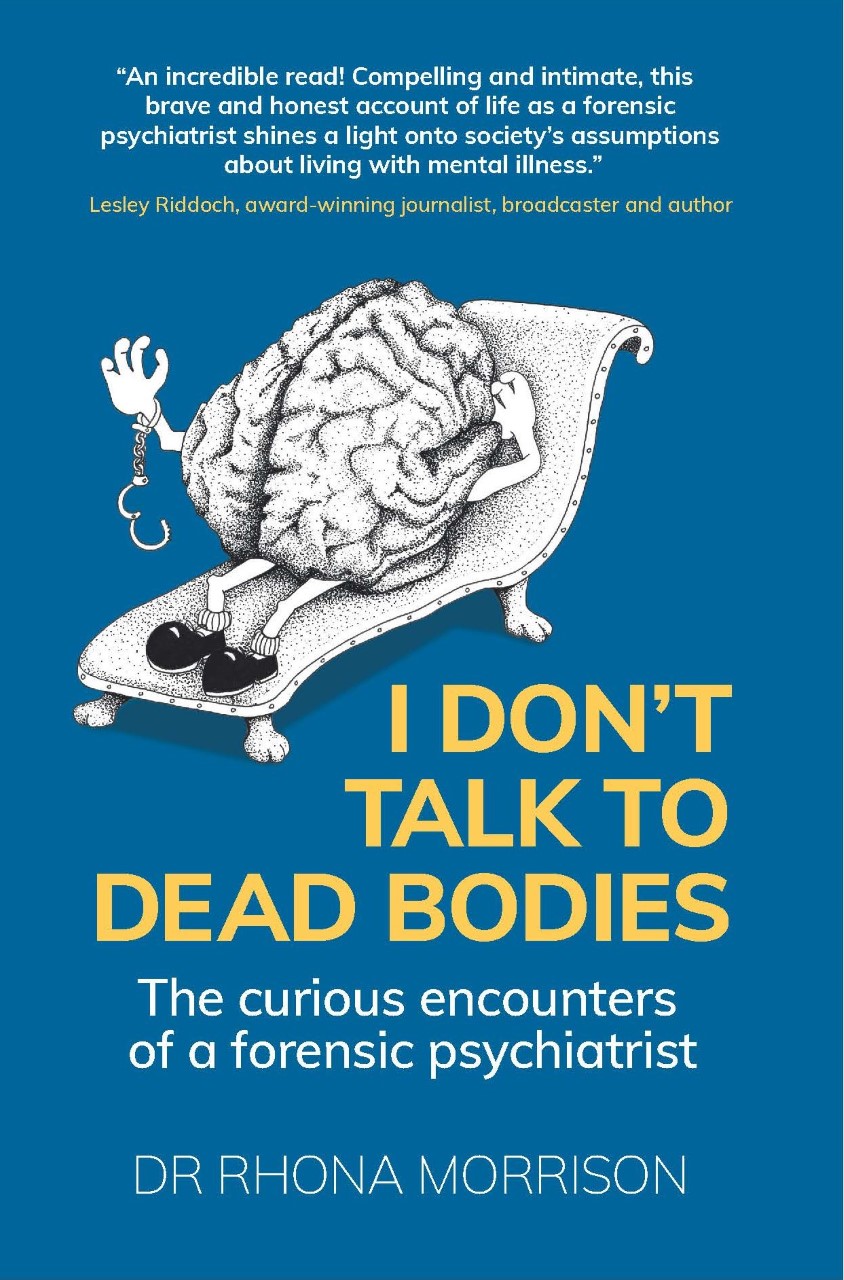
Review: I Don’t Talk To Dead Bodies, by Dr Rhona Morrison

ISBN: 9781912300785
Price: £12.99
Publication Date: 28th July 2022
Print Book, eBook and
Audiobook

Synopsis
Prepare to be intrigued, amazed and astonished as you join Dr Rhona Morrison on an often funny, and at times downright bizarre, thought-provoking and eye-opening rollercoaster ride through some of the most curious encounters of her career as a leading forensic psychiatrist.

Delve into the minds of real people, whose actions may shock and stun you, but whose stories have the power to challenge your assumptions and the stigma that surrounds mental illness.

Travel directly into their living rooms and see behind the closed doors of
hospitals, prisons and court rooms. Lift the lid on Dr Morrison’s jaw-dropping experiences with murderers, stalkers and other dangerous offenders as she attempts to make sense of some highly unusual situations.

Discover the true stories of the inspiring human beings who are bravely learning to live with major mental illness. I Don’t Talk to Dead Bodies shines a powerful, emotional and surprisingly moving spotlight on the fascinating life of a forensic psychiatrist and the people she works with. It goes beyond the sensationalist headlines to show you just what happens in a world where mental illness occasionally makes good people do bad things.

Continue reading “Review: I Don’t Talk To Dead Bodies, by Dr Rhona Morrison”

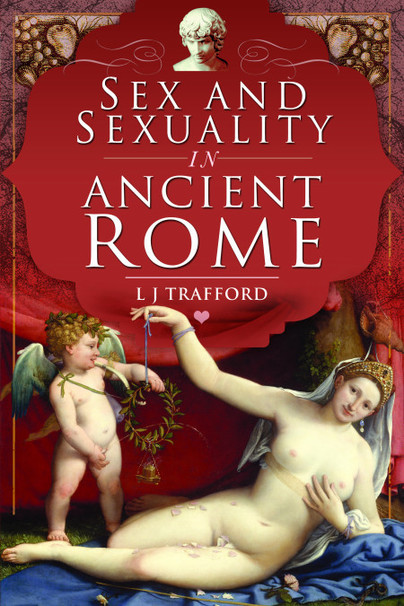
Pen & Sword Review: Sex and Sexuality in Ancient Rome, by LJ Trafford

Imprint: Pen & Sword History
Series: Sex and Sexuality
Pages: 224
ISBN: 9781526786876
Published: 23rd September 2021


Blurb

From Emperors and empresses, poets and prostitutes, slaves and plebs, Ancient Rome was a wealth of different experiences and expectations. None more so than around the subject of sex and sexuality. The image of Ancient Rome that has come down to us is one of sexual excess: emperors gripped by perversion partaking in pleasure with whomever and whatever they fancied during week long orgies. But how true are these tales of depravity? Was it really a sexual free for all? What were the laws surrounding sexual engagement? How did these vary according to gender and class? And what happened to those who transgressed the rules?

We invite you to climb into bed with the Romans to discover some very odd contraceptive devices, gather top tips on how to attract a partner and learn why you should avoid poets as lovers at all costs. Along the way we’ll stumble across potions and spells, emperors and their favourites and some truly eye-popping interior décor choices.

Continue reading “Pen & Sword Review: Sex and Sexuality in Ancient Rome, by LJ Trafford”

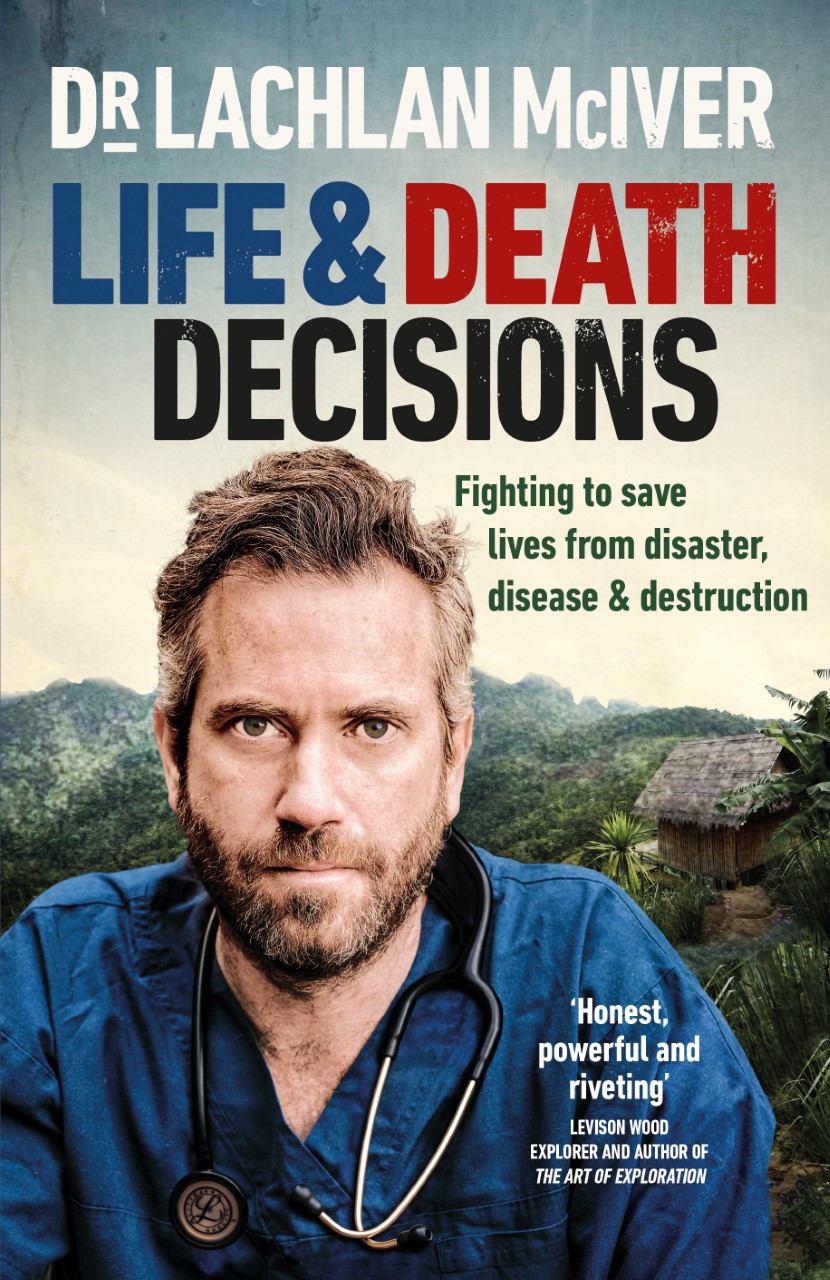
Review: Life & Death Decisions, by Dr Lachlan McIver

Publication date Thursday, September 01, 2022
Price £20.00
EAN\ISBN-13 9781913068790
Binding Hardback
304 pages

Blurb
An action-packed tale of medicine in the most remote, poverty-torn areas of the globe from a Médecins Sans Frontières doctor. Set to appeal to fans of War Doctor.

Lachlan was sixteen when he found his father dead on the side of a dirt road in North Queensland, Australia. He had suffered a sudden heart attack and died alone. It was this tragedy that motivated Lachlan to train as a doctor specialising in providing medical care for people living in remote, resource-deprived locations.
Lachlan’s work with the World Health Organization and Medecins Sans Frontieres has taken him to some of the world’s most extreme environments from the sinking islands of the Pacific to epidemics and war zones in the Middle East and sub-Saharan Africa.

In this no-holds-barred memoir, Lachlan recounts his experiences treating patients ravaged by tropical diseases, managing war wounds with drug-resistant infections, delivering babies by the light of a head torch, dealing with the devastating effects of climate change and narrowly avoiding being kidnapped by militia in the Democratic Republic of the Congo.

Tackling such impossible problems day in and day out inevitably takes a personal toll. Lachlan is ultimately forced to face his own battles with depression, alcohol abuse and bankruptcy.

Life and Death Decisions is a deeply human look at the personal cost of our broken global health system and a vital call to action.

Continue reading “Review: Life & Death Decisions, by Dr Lachlan McIver”

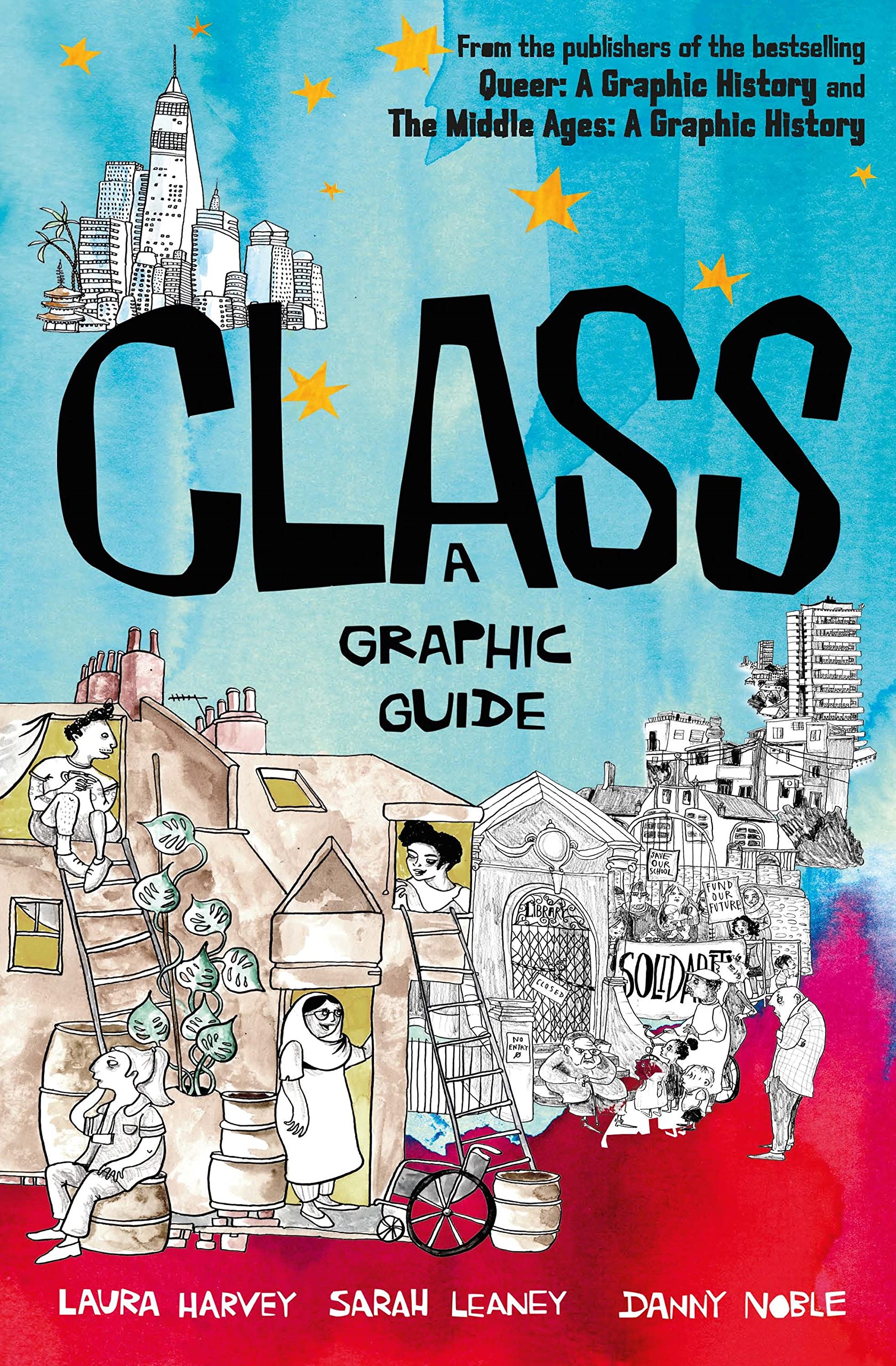
Review: Class – A Graphic Guide, by Laura Harvey, Sarah Leaney and Danny Noble

Format: 176 pages, Paperback
Publication Date: 4th August 2022 by Icon Books
ISBN:9781785786914 (ISBN10: 1785786911)
Language: English

Blurb

What do we mean by social class in the 21st century?

A new Graphic Guide from Icon Books. Sociologists Laura Harvey and Sarah Leaney and award-winning comics artist Danny Noble present an illustrated journey through the history, sociology and lived experience of class.

What can class tell us about gentrification, precarious work, the role of elites in society, or access to education? How have thinkers explored class in the past, and how does it affect us today? How does class inform activism and change?

Class: A Graphic Guide challenges simplistic and stigmatizing ideas about working-class people, discusses colonialist roots of class systems, and looks at how class intersects with race, sexuality, gender, disability and age. From the publishers of the bestselling Queer: A Graphic History, this is a vibrant, enjoyable introduction for students, community workers, activists and anyone who wants to understand how class functions in their own lives.

Continue reading “Review: Class – A Graphic Guide, by Laura Harvey, Sarah Leaney and Danny Noble”

Pen & Sword TBR Pile Review: Victorian Fashions For Women, by Neil R Storey & Fiona Kay

Hardcover, 248 pages
Published June 30th 2022 by Pen & Sword History
ISBN:1399004166 (ISBN13: 9781399004169)

Blurb

Victorian Fashions for Women explores the British styles and clothing throughout the long reign of Queen Victoria, from the late 1830s to the first years of the 20th century. Within are a superb overview of the dresses, hats, hair styles, corsetry, undergarments shoes and boots that combined to present the prevailing styles for each decade. From those who had enough money to have day and evening wear and clothes for sports and outdoor activities, to those with limited income and wardrobes or labouring folk with little more than the clothes they stood up in.

All decades are illustrated with original photographs, adverts and contemporary magazine features from the authors’ own remarkable collections, accompanied by a knowledgeable and informative text that describes the fashions, their social history context and influences reflected in the clothes of the time. Laid out in a clear and easy-to-follow chronological order, the key features of styles, decoration and accoutrements will help family historians to date family photographs and will provide a useful resource for students and costume historians or for anyone with a love of fashion and style to enjoy.

My Review

Review number five of the day. Don’t collapse everyone; I know I’ve posted a lot of reviews today, but I stack them up until I find a day to do all the reviews. Today is the day. I woke up early and I’ve had to stay up to wait for my post to be delivered. It was parcels, of meds and sweets. I needed more inhalers. This hot weather is screwing with my asthma so badly that I’m having to use them a lot more than usual. Since I’m awake and haven’t gone back to bed yet, I need to get these reviews done.

As you may know, I enjoy studying history and every area of life has something to tell us about history and society in different time periods, whether it’s food or military actions. Clothes are quite important facets of society and dress history is a growing area. I have visited the V&A museum in the past and was fascinated by the work that went into historical clothing. I also enjoy watching videos on YouTube by dress historians and reenactors, like Morgan Donner, Nicole Rudolph, Abby Cox and Bernadette Banner. It’s an unexpected turn for my interests, I know, because generally I don’t have much interest in clothes, beyond my swimming costumes and fancy underwear. It’s all about comfort for me.

Honestly, upper- and middle-class Victorian clothes look really uncomfortable! Heavy, fussy, and over-decorated. The figure was changed by adding padding and frames, rather than changing the body. Over seventy years fashions and figure changed in a variety of ways, from materials used to the type underwear worn. It really is quite interesting. This book is definitely focused on the dress of middle and upper-class women, because it is those women who could afford the clothes in fashion plates and fashion magazines. The development of fashion magazines and the production of paper patterns in magazines is also mentioned; I have quite a few modern patterns from magazines so the early history of these useful items is interesting to me. It shows that women were making their own fashionable clothes and using the new mechanical sewing machines that were starting to become available to the home sewer. It shows that high fashion was available to everyone if they had the money for material and time to sew.

I would have liked more information on working class clothing and fashions, which were covered only briefly, but I understand the limitations given the information available and the remaining material culture. The writing got a little sludgy at times but wasn’t bad.

TBR Pile Review: The Little Book of Humanism: Universal Lessons on Finding Purpose, Meaning and Joy, By Andrew Copson and Alice Roberts

Hardcover, 256 pages
Published June 4th 2020 by Piatkus 
(first published January 1st 2020)
ISBN: 0349425469 (ISBN13: 9780349425467)

Blurb

We all want to lead a happy life. Traditionally, when in need of guidance, comfort or inspiration, many people turn to religion. But there has been another way to learn how to live well – the humanist way – and in today’s more secular world, it is more relevant than ever.

In The Little Book of Humanism, Alice Roberts and Andrew Copson share over two thousand years of humanist wisdom through an uplifting collection of stories, quotes and meditations on how to live an ethical and fulfilling life, grounded in reason and humanity.

With universal insights and beautiful original illustrations, The Little Book of Humanism is a perfect introduction to and a timeless anthology of humanist thought from some of history and today’s greatest thinkers.

We all want to lead a happy life. Traditionally, when in need of guidance, comfort or inspiration, many people turn to religion. But there has been another way to learn how to live well – the humanist way – and in today’s more secular world, it is more relevant than ever.

In The Little Book of Humanism, Alice Roberts and Andrew Copson share over two thousand years of humanist wisdom through an uplifting collection of stories, quotes and meditations on how to live an ethical and fulfilling life, grounded in reason and humanity.

With universal insights and beautiful original illustrations, The Little Book of Humanism is a perfect introduction to and a timeless anthology of humanist thought from some of history and today’s greatest thinkers.

My Review

I bought myself this book and a couple of Alice Roberts’ books for my birthday, with my birthday voucher from my friend Fi. I have been a subscriber to The New Humanist magazine for a couple of years, but I don’t really understand the philosophical underpinnings of Humanism, and I wanted to understand a bit more.

I found this book very touching. It’s concise and illustrated with examples that demonstrate the points made. It covers life and death, which I found very comforting, given the sudden loss of my uncle three weeks ago. There were quotes that I felt would be appropriate for a funeral reading. I found in reading this book that my personal ethics and philosophy already fell in to the Humanist category. If you need a god to tell you how to behave ethically, you have a problem.

I would describe myself as a Humanist Heathen – that is I combine humanism with heathenry, which may seem contradictory considering Humanists don’t accept the existence of gods and heathenry has lots of gods. I tend to think the gods and their stories are not literally real but are explanations for events that worked for people two and a half thousand to fourteen hundred years ago and they can still be useful ways of experiencing the world. For example, I don’t need Nehalennia to bless any sea crossings I make or any international trade I might do (haha – like that’s ever going to happen) but I still find it comforting and a focus of attention. I don’t need to believe literally in Sunna to be overwhelmed with awe in a beautiful sunrise, either. It’s a bit weird, I know, but it works for me.

This book is a little book that fits in a pocket, and it obviously isn’t a comprehensive discussion of Humanism, its history and philosophy, but if you want to dip in and get the basics it is a good start.

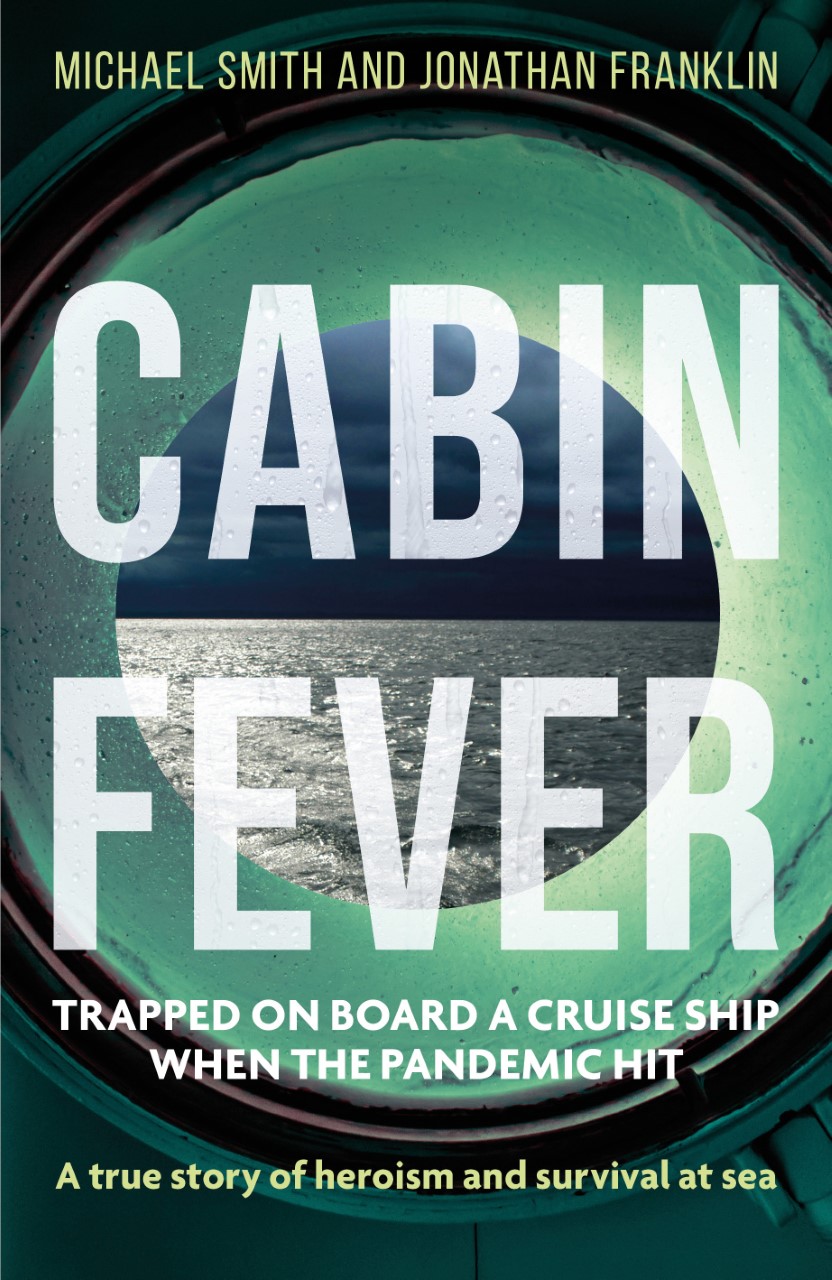
Review: Cabin Fever, by Michael Smith and Jonathan Franklin

Publication date Thursday, July 14,
2022
Price £16.99
EAN\ISBN-13 9781913068738
Travel & holiday
(WT)
Biography: general
(BG)
Binding Hardback

Blurb
The harrowing story of the Zaandam cruise ship, which set sail with a deadly and little-understood stowaway – Covid-19 – days before the world shut down in March 2020. A story of human kindness, peril and bravery.

In early 2020, the world was on edge. An ominous virus was spreading and no one knew what the coming weeks would bring. Far from the hotspots, the cruise ship Zaandam was preparing to sail from Buenos Aires loaded with 1,200 passengers – British, American, Australian, European and South American tourists, plus 600 crew. Most passengers were over the age of 65.
There was concern about the virus in the news but that was oceans away. Escaping to sea at the ends of the earth for a few weeks seemed like it might be a good option. The cruise line had said the voyage would go ahead as scheduled and it would be safe.

Within days, people aboard the Zaandam began to fall sick. The world’s ports shut down. Zaandam became a top story on the news and was denied safe harbour everywhere. With only two doctors aboard and few medical supplies to test for or treat Covid-19, and with dwindling food and water, the ship wandered the oceans on an unthinkable journey

Cabin Fever is a riveting narrative thriller, taking readers behind the scenes of the ship’s complex workings, and below decks into the personal lives of passengers and crew who were caught unprepared for the deadly ordeal that lay ahead. It is a story layered with moments of peril, perseverance and kindness. A remarkable tale that is filled with individual acts of heroism and the struggles and the tragedies of the crew and passengers.

Continue reading “Review: Cabin Fever, by Michael Smith and Jonathan Franklin”

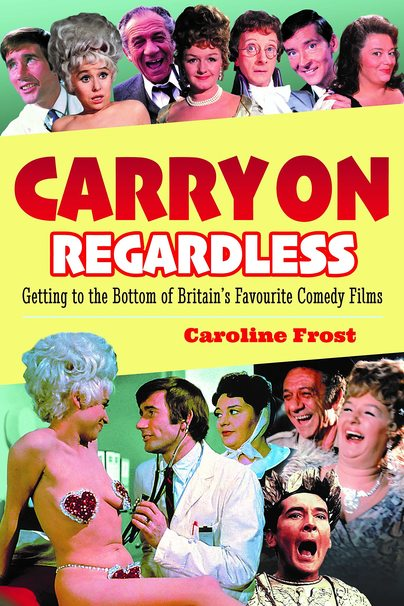
Pen & Sword Review: Carry on Regardless, by Caroline Frost

By Caroline Frost
Imprint: White Owl
Pages: 232
Illustrations: 32 black and white illustrations
ISBN: 9781526774781
Published: 5th May 2022
Expected Re-release Date: 30th June 2022

Blurb

The completely updated story of Carry On, Britain’s largest film franchise, all the way from the gentle capers of the 1950s, through the raucous golden age of the 1960s, to its struggles in the years that followed.

We take a happy walk down memory lane to enjoy again Sid James’s cheeky chuckle, Kenneth Williams’ elongated vowels, Charles Hawtrey’s bespectacled bashfulness and Barbara Windsor’s naughty wiggle.

It all seemed effortless, but exclusive interviews with the series’ remaining stars including Bernard Cribbins, Angela Douglas and Kenneth Cope shed new light on just how much talent and hard work went into creating the laughs. For the first time, the loved ones of some of the franchise’s biggest names – on and off screen – share their personal memories from this unique era.

Was Carry On really as sexist, racist and bigoted as critics claim? Three of the films’ female stars explain why they never felt remotely exploited, plus we take a fresh look at some of the series’ biggest titles and discover that, in reality, they were far more progressive than their detractors would have you believe.

Finally, with constant talk about new films, fresh productions and tantalising speculation about a brand new era of Carry On, we ask – does this unique series still have legs?

My Review

Thanks to the publisher for sending me a copy of this book. It came with my latest box of books from Pen & Sword. I have always enjoyed the Carry On… films, they are a fond memory from my childhood, where we collected the VHS tapes and then the DVDs. I still have the DVDs but got rid of my tapes when I moved out in 2014. I have always been fascinated by the personalities behind the films, especially the ensemble cast of the 60s who come to mind when I think about the films. I’ve been re-watching the films lately. They’re a nostalgic blanket on a wet Sunday afternoon.

I can also quote quite a few lines from most of the films.

This book is an overview of the films, the cast and crew, going from the earliest film, Carry On Sergeant, to the final film, Carry On Columbus. Over the series the films poked gentle fun at institutions, cracked jokes and threw out double entendre all over the place. Unfortunately, by the late seventies, they struggled to cope with changing social mores and the attempts at keeping up with the times fell flat.

Frost writes from a position of fondness and the author clearly enjoyed interviewing as many people as she could who had been involved, and using the auto/biographies of those she could not, to give a positive view of the films. However, she doesn’t give us many details of the actual production process, and she gets repetitive at times. We hear time and time again how much the cast enjoyed filming, and how it was ‘just like going back to school’ every time they went back to Pinewood Studios. It also gets a bit ‘Great British Humour’ at times, all a bit jingoistic.

I found the discussion of criticism of the films interesting. Certainly the sort of stuff they got away with wouldn’t happen now, such as the black face used in Carry On…Khyber and …Up The Jungle. The roles for women could be a bit limited, although as the author points out, many of the women characters were strong, determined women. Carry on Cabby is a fantastic early example. However, the cheap jokes at the expense of women’s appearances is galling, and actually contributed to Joan Sims’ possible Binge Eating Disorder. I thought that Frost’s attitude to the criticism of what she and others refer to as ‘Woke’ and ‘PC’ critics is a bit hypocritical. People have made valid points about the films and the attitudes they display, and you have to be a very canny viewer to realise there’s a bit more going on.

There is a discussion of the likelihood of new Carry Ons…end the book; there are some deluded people out there that think it could happen. I’m sorry, but times and humour have changed. The films are a snap-shot of a time and place, a period of social change that is reflected in the attitudes of the films and the tension between the past and present in the 1960s and early 1970s. The films also worked because they had an ensemble cast of comedic actors. As we saw with the rebooted ‘St. Trinians’ films, what worked in 1960 doesn’t work in the 2000s; social mores and humour have changed, and there is a dearth of the sorts of comedic actors who would be willing to work as part of an ensemble cast, or with the training on stage, TV and film that the cast had.

Over all, it’s okay, but could be better.