
Reblogging to read later.

 by KatzFatz
By John Monroe
In particular, Marx neglects the role of the witch-hunts, which was a major war on women where hundreds of thousands of women were arrested, tortured, killed, burned on village squares. He also does not discuss the role of legislation that penalized all forms of contraception and control over the process of biological reproduction, or legislation that introduced a new type of family, a new type of sexual relations. That placed the body of women under the tutelage of the state. What you begin to see with the development of capitalism is a policy that looks at the body of women and procreation as a fundamental aspect of the production of the workforce. In that sense, with the development of capitalism women’s’ bodies are turned into machines for the production of workers, which explains why these very fierce and bloody laws against women are instituted where…
View original post 3,257 more words


 Lia Fail – Hill of Tara photo by Ken Williams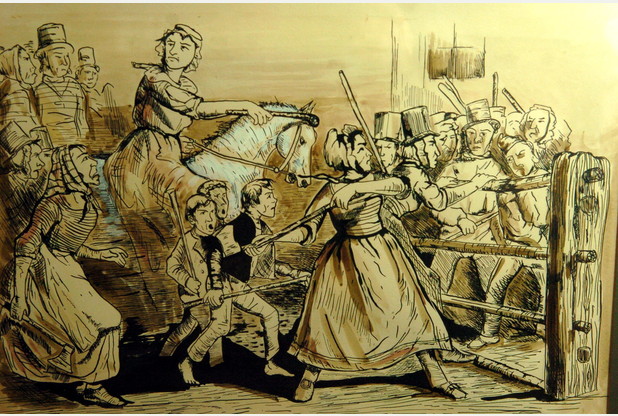

 The Welsh ‘Rebecca Riots.’ One of many peasant and worker uprisings in Celtic lands during the 18th and 19th century invoking sovereignty goddesses, land spirits, crones, Fairy Witches, and other mysterious, usually female otherworldly beings. In many of these movements, men wore dresses and bonnets. Other figures invoked included Maeve, Ludd (possibly Llud or Lugh), and Sadhbh.


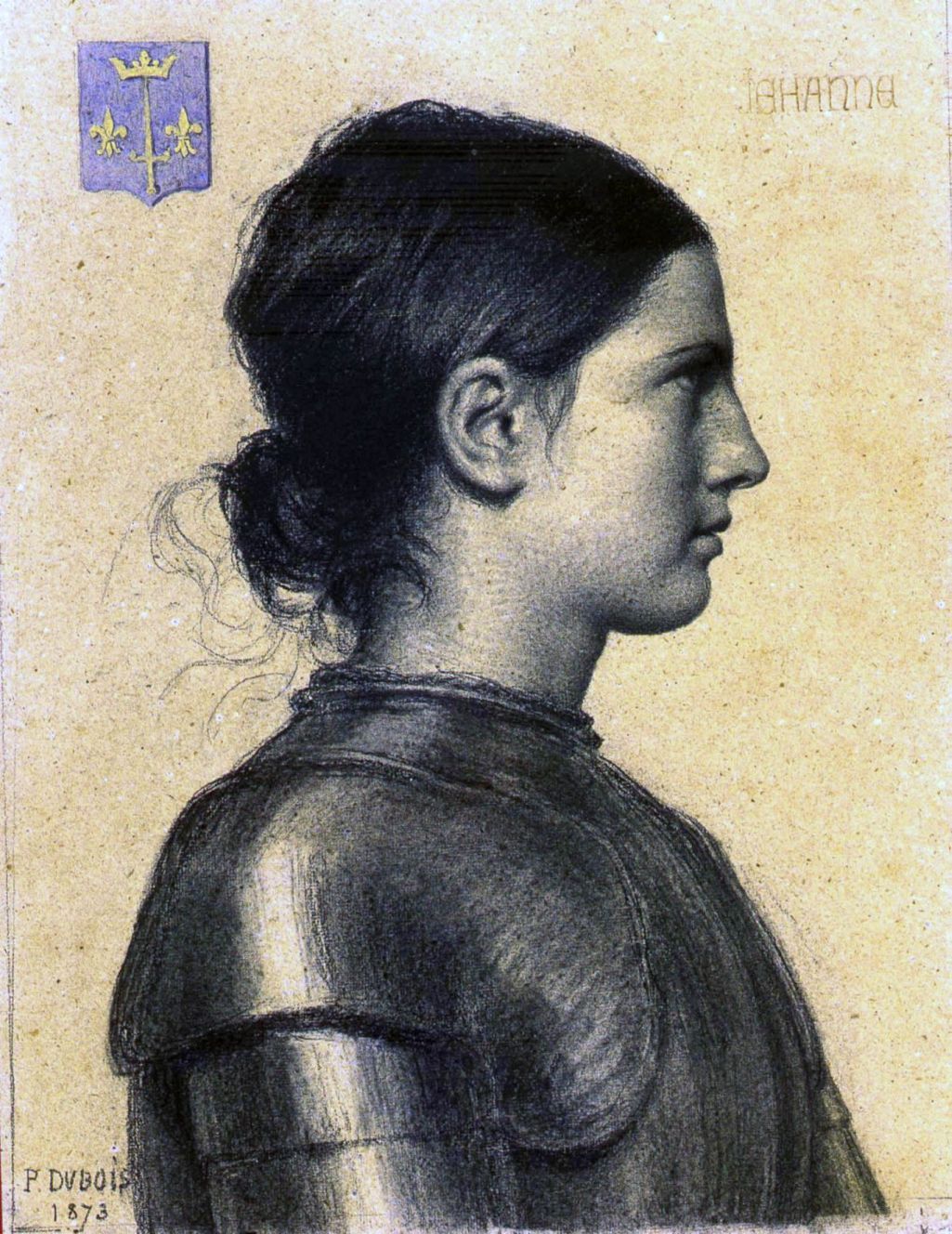
 Jeanne D’Arc, leader of the siege of Orleans. Her mystical experiences included not only speaking to Saints, but also seeing Fairies (and declining to call them evil spirits). She wore “men’s’ clothing, and was executed for Heresy/Witchcraft; later re-inscribed as a Saint by the Catholic Church.


 Everything Is Better With Dragons