After thirteen years on a free WordPress site, I’ve decided to take the plunge and get a website. It was easy because all I did was upgrade from free to a personal paid site. It’s http://www.everythingisbetterwithdragons.co.uk. I’m still checking things, but i think if you go to my old address, http://www.rosemariecawkwell.wordpress.com it redirects. I’m going to have a play around and check.
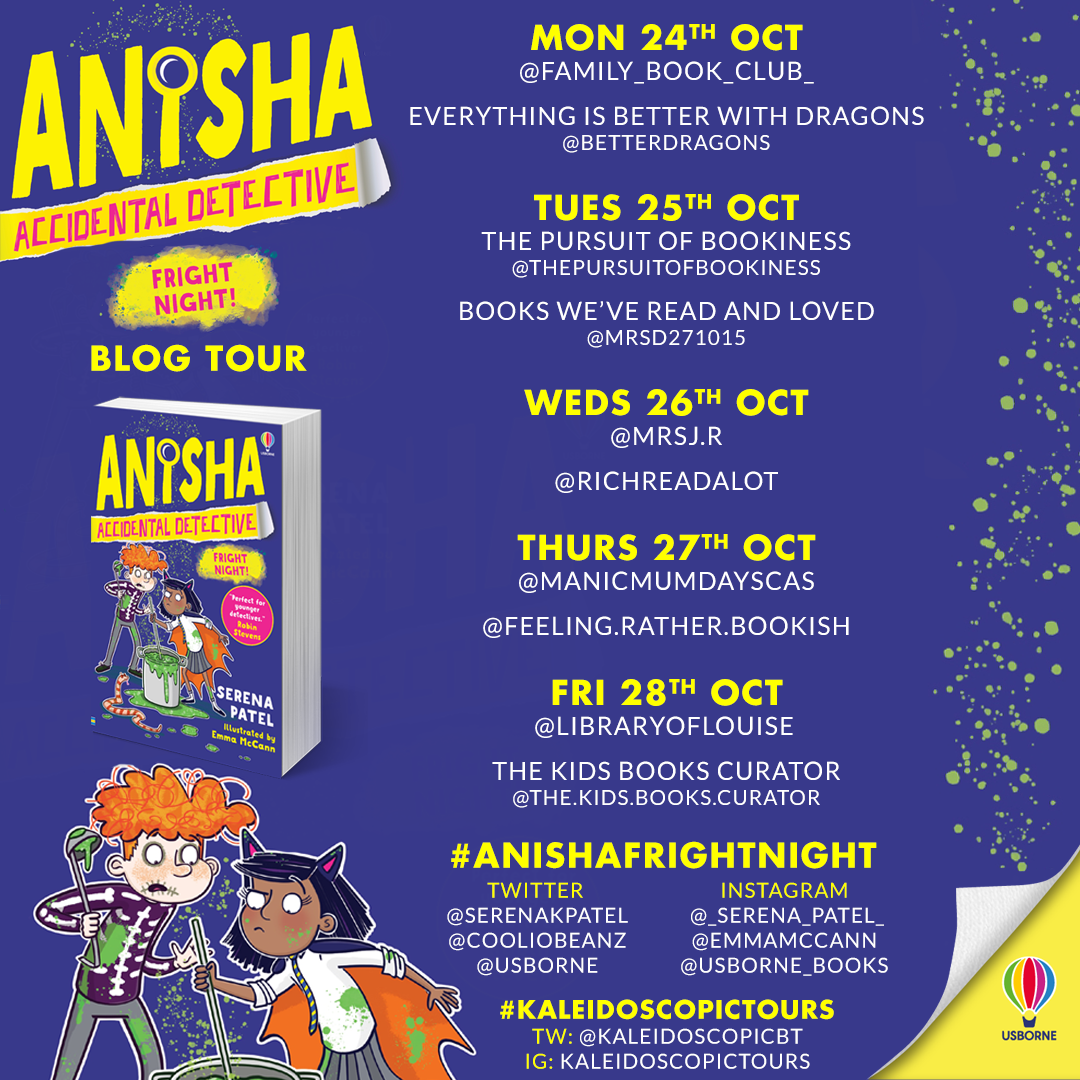
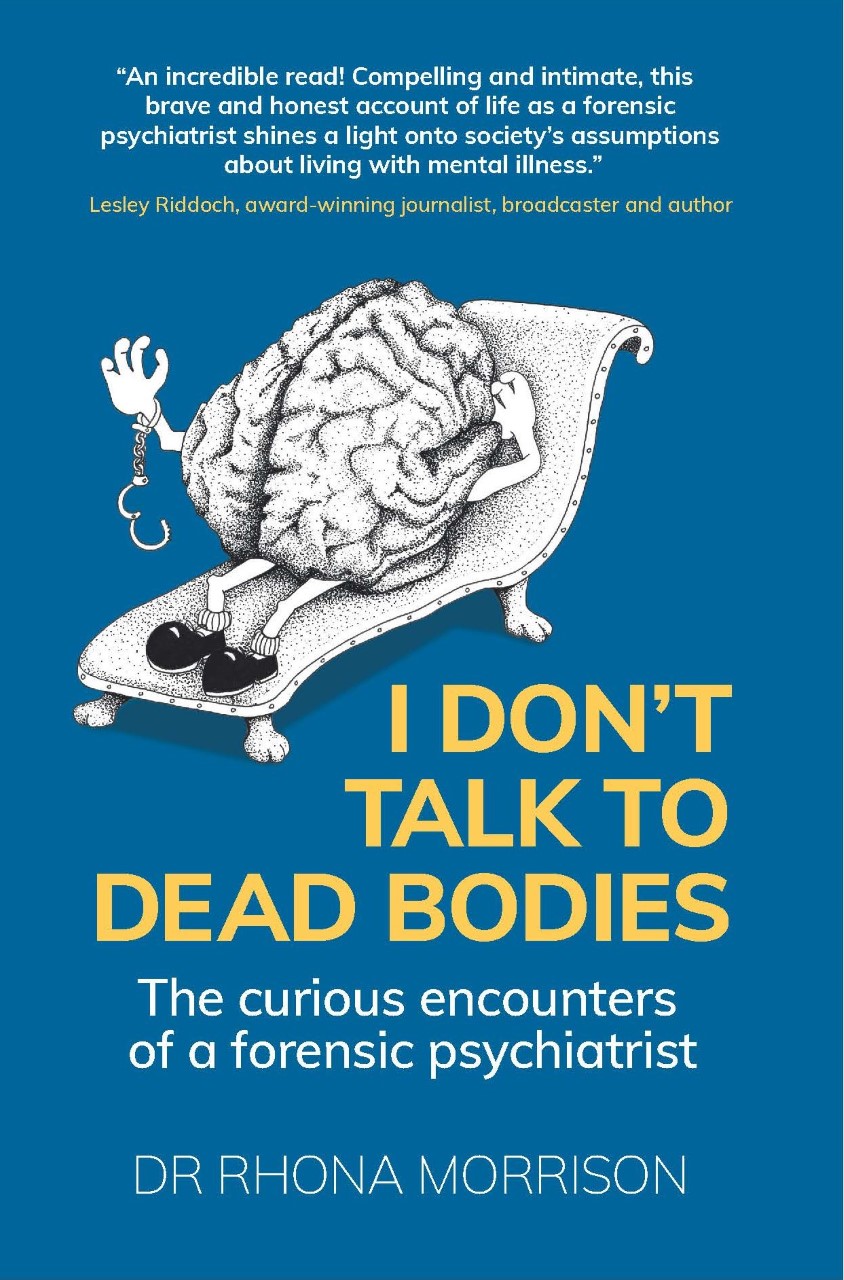
Blog Tour Calendar: Bodies, Brains & Bogies, By Paul Ian Cross, PhD
Pen & Sword Review: Jumping for Joy: The history of platform video games, by Chris Scullion


Pen & Sword Review: A Practical Guide to Camping, by Suzanne Elsworth, Alex Morgan and Trevor Morgan


My Review
Yes, I admit it’s a bit lazy but I’m writing this from my tablet. I took the photos and then came upstairs to write and nap. It’s been a day. Plumbers turned up this morning while I was still only in my underwear and spent a couple of hours doing some work on the piping in the sitting room, which has been leaking, then I got a phone call from the lettings agency about my next inspection (next Wednesday) and then I decided painting two doors would be a good idea. They are going yellow with age, and needed refreshing. The lettings agent/landlord won’t do that sort of stuff, so I have to do it myself. If they don’t like the amateur results they can get the professionals in, can’t they?
I received a package of books this afternoon from Pen & Sword, so I’ve started reading them. This is the first one. After I’ve written this review and had a short rest I’m going back to reading the next one.
For those which have never been camping or haven’t camped in a long time, the (changes in) equipment can be a bit overwhelming. I used to do a lot of camping but since I damaged my back ten years ago it has really been beyond me. Besides, I don’t like being cold or not having access to a hot shower. The last time I went camping was Download 2013, for my 30th birthday. It was wet, I didn’t have a proper shower for almost a week, the company was either absent or miserable, and I didn’t like waking up cold every day.
I’ve donated my camping stove to the allotment, my rucksack has been retired, I’m not even sure my tents are usable any more. H
However, if I did fancy getting back under canvas, this book would be a useful place to start. If I could drive and had a car I might even consider it. Cars can apparently make useful larders and wardrobes for camping. There’s so many more options these days. Have you heard of ‘air tents’, where the tent poles are replaced by air tubes and you inflate the tent? No, me neither. I thought pop up done tents, from Quechua, were fancy!
It’s not just the tents that have evolved. Think airbed but make it luxury, or a three piece suite. Full kitchens with mini refrigerators and larders. Super comfortable chairs; no more folding camp chairs that leave marks on your bum, but padded seating and even foot rests. AHH, the luxury!
Going the other way, there’s ultra lightweight tents, sleeping bags and rucksacks for backpackers doing long distance walking. Even the foot wear has changed. My dad and his friends did some long distance walking when I was a kid, but there was always a support team and B&Bs or pubs booked at the end of the day. Pubs are an essential part of walking. This is one of the first lessons I learnt. That and how to apply dubin to a pair of leather walking boots. Now it’s all lightweight, quick dry shoes, bamboo socks and wild camping.
This book is full of useful information and advice on gear, suggestions for brands to use and rules about camping etiquette. It’s a good place to start your camping adventures.
Review: Mortal Mission, by Pip Skinner

Blurb
Astronauts are dying on the first crewed mission to Mars. Is it bad luck, or something far more sinister?
An international mission to search for life on Mars meets heated opposition from the religious right in the USA. Astronaut Hattie Fredericks’ dreams are realised when she is selected for the voyage, but her presence on the Starship coincides with a series of incidents which threaten to derail the mission.
After a near-miss while landing on Mars, the world watches as Hattie and the crew struggle to survive. But worse than the harsh elements are her suspicions that someone is trying to destroy the mission. After several crew members die, Hattie doesn’t know who to trust. And her only allies are 35 million miles away.
As the tension ratchets up, violence and suspicion invade both worlds.
Will Hattie discover life on Mars, or die trying?
Buy Links
Continue reading “Review: Mortal Mission, by Pip Skinner”Blog tour calendar: Mortal Mission, by Pip Skinner
Pen & Sword TBR Pile Review: Victorian Fashions For Women, by Neil R Storey & Fiona Kay

Published June 30th 2022 by Pen & Sword History
ISBN:1399004166 (ISBN13: 9781399004169)
Blurb
Victorian Fashions for Women explores the British styles and clothing throughout the long reign of Queen Victoria, from the late 1830s to the first years of the 20th century. Within are a superb overview of the dresses, hats, hair styles, corsetry, undergarments shoes and boots that combined to present the prevailing styles for each decade. From those who had enough money to have day and evening wear and clothes for sports and outdoor activities, to those with limited income and wardrobes or labouring folk with little more than the clothes they stood up in.
All decades are illustrated with original photographs, adverts and contemporary magazine features from the authors’ own remarkable collections, accompanied by a knowledgeable and informative text that describes the fashions, their social history context and influences reflected in the clothes of the time. Laid out in a clear and easy-to-follow chronological order, the key features of styles, decoration and accoutrements will help family historians to date family photographs and will provide a useful resource for students and costume historians or for anyone with a love of fashion and style to enjoy.
My Review
Review number five of the day. Don’t collapse everyone; I know I’ve posted a lot of reviews today, but I stack them up until I find a day to do all the reviews. Today is the day. I woke up early and I’ve had to stay up to wait for my post to be delivered. It was parcels, of meds and sweets. I needed more inhalers. This hot weather is screwing with my asthma so badly that I’m having to use them a lot more than usual. Since I’m awake and haven’t gone back to bed yet, I need to get these reviews done.
As you may know, I enjoy studying history and every area of life has something to tell us about history and society in different time periods, whether it’s food or military actions. Clothes are quite important facets of society and dress history is a growing area. I have visited the V&A museum in the past and was fascinated by the work that went into historical clothing. I also enjoy watching videos on YouTube by dress historians and reenactors, like Morgan Donner, Nicole Rudolph, Abby Cox and Bernadette Banner. It’s an unexpected turn for my interests, I know, because generally I don’t have much interest in clothes, beyond my swimming costumes and fancy underwear. It’s all about comfort for me.
Honestly, upper- and middle-class Victorian clothes look really uncomfortable! Heavy, fussy, and over-decorated. The figure was changed by adding padding and frames, rather than changing the body. Over seventy years fashions and figure changed in a variety of ways, from materials used to the type underwear worn. It really is quite interesting. This book is definitely focused on the dress of middle and upper-class women, because it is those women who could afford the clothes in fashion plates and fashion magazines. The development of fashion magazines and the production of paper patterns in magazines is also mentioned; I have quite a few modern patterns from magazines so the early history of these useful items is interesting to me. It shows that women were making their own fashionable clothes and using the new mechanical sewing machines that were starting to become available to the home sewer. It shows that high fashion was available to everyone if they had the money for material and time to sew.
I would have liked more information on working class clothing and fashions, which were covered only briefly, but I understand the limitations given the information available and the remaining material culture. The writing got a little sludgy at times but wasn’t bad.
Pen & Sword TBR Pile Review: Revolting Recipes From History, by Seren Charrington-Hollins

Published June 16th 2022 by Pen and Sword History
ISBN:1526773023 (ISBN13: 9781526773029)
Blurb
Nothing causes a stir on social media platforms like a topical discussion on the latest food trend. Modern-day chefs like to think that they are creative and often claim to push boundaries of food creation, but if we want to explore real culinary creativity then we need to look to our ancestors.
Writer and food historian, Seren Charrington-Hollins delves into the history of culinary experimentation to bring us some of the weirdest and most stomach-churning food delicacies to ever grace a dining table. She uncovers the rather gruesome history behind some everyday staples, uncovers bizarre and curious recipes, whilst casting light on foods that have fallen from culinary grace, such as cows udders and tripe; showing that revulsion is just a matter of taste, times and perhaps knowledge.
From pickled brains to headcheese, through to songbirds and nymphs’ thighs, this book explores foods that have evoked disgust and delight in diners depending on culinary perspective.
So pull up a chair, unfold your napkin and get ready for a highly entertaining and enlightening journey to explore what makes a recipe revolting? Be warned; you’ll need a strong stomach and an open mind.
My Review
I actually managed to read and finish a book Pen & Sword sent me within a couple of months of getting it! Actually, I have another one I’ll review soon. I’ve still got a massive Pen & Sword pile to read. I will, eventually get through them all. I read another book by this author, about tea in 2020.
So, why did I read and finish this one so quickly?
Food! I like good food, I like to cook, and I find food a fascinating way to understand societies. Why would anyone eat some of the stuff they have if they didn’t need to? For instance garum sauce – hugely popular in ancient Rome, made of fermented fish. Basically fish left to rot in terracotta pots. Nope, not eating that. Who first thought to try it? And who thought of eating bovine digestive tracts (tripe)? Who gutted a cow and thought, ooh, that looks lovely? Only someone really desperate would consider pigs ears, surely?
And that’s just the stuff people chose to eat.
Imagine thinking you were going to get a decent bit of tinned ham and it turned out to be rotten because the tin wasn’t sealed properly. And you’re on a three year mission to chart the North West Passage. Eurgh! I liked the details about the history of food and the changes in diet over the centuries. It’s mostly Anglo-centric although there are some European and North American stories.
There were some sections that put me right off some foods and some I’m pleased I’ve never eaten. Like goose liver pate. That’s just cruel.
The book started off really strongly but by the last chapter it began to waver a bit and felt like it was unfinished. However, generally a good introduction to food history.
TBR Pile Review: A Brief History of Everyone Who Ever Lived, by Adam Rutherford

Published November 14th 2017 by W&N (first published September 8th 2016)
ISBN: 1780229070 (ISBN13: 9781780229072)
Blurb
This is a story about you. It is the history of who you are and how you came to be. It is unique to you, as it is to each of the 100 billion modern humans who have ever drawn breath. But it is also our collective story, because in every one of our genomes we each carry the history of our species births, deaths, disease, war, famine, migration, and a lot of sex.
Since scientists first read the human genome in 2001, it has been subject to all sorts of claims, counterclaims, and myths. In fact, as Adam Rutherford explains, our genomes should be read not as instruction manuals, but as epic poems. DNA determines far less than we have been led to believe about us as individuals, but vastly more about us as a species.
In this captivating journey through the expanding landscape of genetics, Adam Rutherford reveals what our genes now tell us about history, and what history tells us about our genes. From Neanderthals to murder, from redheads to race, dead kings to plague, evolution to epigenetics, this is a demystifying and illuminating new portrait of who we are and how we came to be.
My Review
This is another one of my random books I bought because it looked interesting. I like biology, history and all that connected stuff. Yes, it really is all connected; it makes no sense to teach them as separate subjects, they all overlap. But that’s not really important right now…
Adam Rutherford writes amusingly of genomics, history and archaeology, as he explains how modern humans came to be the only hominids left and where we are now. It’s basic stuff that people really should know, but unfortunately they don’t and that causes a lot of problems in society.
Seriously, how can anyone believe in ‘race’ these days when genomics can show that it doesn’t exist in a scientific sense? I understand it is a social classification that has real effect in the world, race is a social construct that is used to unite people and divide them, to build a social identity and to deny social advantages, but that doesn’t make it any less illogical.
I actually found his discussion of his PhD research fascinating. Eyes are really odd, but clearly not ‘designed’. Like much of the body, it’s really daft and clearly made up of changes over time. Eyes break so easily, they’re so often a mess from the start too. How anyone can believe they were created perfectly by some god is again, beyond me. Octopuses managed to do it better, for crying out loud!
Human evolution is fascinating! No really, I love it. I found the way Rutherford described the multiple times different human species mixed and shared genes really informative.
The book is fairly introductory and includes a glossary and further reading, so it’s a good place to start if you’re interested.
Problems: Adam Rutherford shouldn’t talk about Autism, because he clearly knows nothing; he still refers to us as having Autism Spectrum Disorder. We are not disordered!
His grasp of human sex and gender is limited. He often refers to ‘the two sexes’ and ‘male is XY, female is XX’, completely ignoring the fact that sex is more complicated than that, and he dismisses intersex people in a footnote as negligible disorders. Way back in 2016 I reviewed a book on the subject that clearly explains how much variety there is in human sex and gender. He also uses ‘male’ and ‘women’, rather than ‘male’ and ‘female’, or ‘men’ and ‘women’; it’s confusing and I’m not sure why he does it. In context, it doesn’t make sense. If you’re talking about sex or presumed sex (because someone’s external genitalia may be one thing but their chromosomes and hormones could be different) use male, female or intersex; if you’re talking about gender, use gender labels – men, women, non-binary, agender etc.
Definitely one to read and share with all your embarrassing relatives.
TBR Pile Review: Madness in Civilization, by Andrew Scull

Published September 1st 2016 by Thames and Hudson Ltd (first published March 23rd 2015)
ISBN: 050029254X (ISBN13: 9780500292549)
Blurb
This ambitious volume, worldwide in scope and ranging from antiquity to the present, examines the human encounter with Unreason in all its manifestations, the challenges it poses to society and our responses to it. In twelve chapters organized chronologically from the Bible to Freud, from exorcism to mesmerism, from Bedlam to Victorian asylums, from the theory of humours to modern pharmacology, Andrew Scull writes compellingly about madness, its meanings, its consequences and our attempts to understand and treat it.
My Review
I was recommended this book for some reason and I’ve been reading it for months as part of my research for the neurodivergent history project for work. I finished it the other day and I’m just getting around to reviewing it.
This book is very densely written covering several thousand years. I wouldn’t agree with the blurb that it is global in scope, it is much more focused on Europe and North America, with occasional excursions to other places colonised by European countries and even fewer discussions of places outside of those areas. Africa, most of Asia and all of South America are ignored. It’s very Anglo-centric. Most of the book really only covers the history of psychiatry in England, France and Germany, with some reference to the U.S. later in the book. It’s going to be helpful for my heritage project, but I would have liked to read more about the rest of the world.
I found the sections on madness in the arts fascinating. I had read something about it in Those They Called Idiots, by Simon Jarrett. This book doesn’t cover learning disability, but madness was often conflated with idiocy in the past. If you were too much hard work for your family to care for, you could quite possibly end up in an asylum or workhouse. The presentation of madness in art and literature, as with disability, changed and influenced how people saw madness and disability.
Problems with the book: Scull clearly knows nothing about Autism or being Autistic, and repeats the lie that there’s an epidemic of Autism. He treats other highly heritable neurodivergencies, such as schizophrenia, equally badly and with limited understanding.
Scull clearly doesn’t like psychiatry as a profession, which is fair enough. A lot of people have been harmed by psychiatry and the narrow ideas of psychiatrists using diagnostic manuals as check lists rather than understanding individual patients. His cynicism gets a bit much at times though.
Generally, not a bad book but approach with caution.