Format: 244 pages, Hardcover Published: May 5, 2026 by Tor Books ISBN: 9781250827005
Description
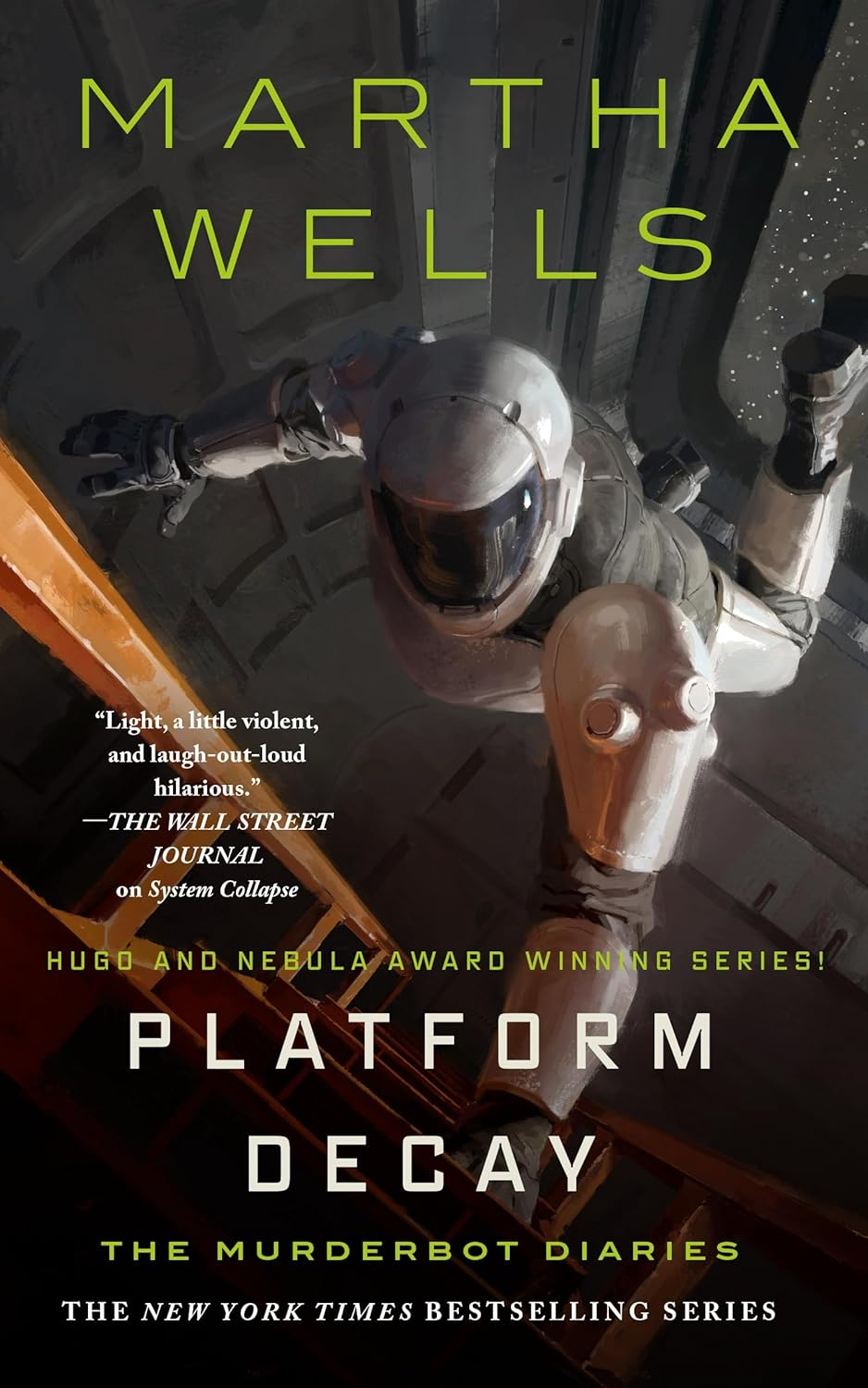
Having someone else support your bad decision feels kind of good.
After volunteering to run a rescue mission, Murderbot realizes that it will have to spend significant time with a bunch of humans it doesn’t know.
Including human children. Ugh.
This may well call for… eye contact!
(Emotion check: Oh, for f—)
My Review
Now I’m settled in to my new home, I’m working through my currently reading pile and this was the first one I’ve finished. I still have an entire library to unpack, but there are a few books that I’ve fished out and I’m working through them and the books I was sent over the summer.
I enjoy The Murderbot Diaries a lot and have all of them. I find Murderbot’s cynical response to events entertaining. The development of its relationships with the humans in its orbit and the continuing development and expansion of the world really gives depth to the story. Martha Wells is a skilled writer and every development is well paced.
The plot is gripping, packed with action and emotion as Murderbot tries to deal with its own emotions, understand the emotions of people around it, and keep everyone alive. It actually makes decisions based on whether or not the humans will be traumatised and barely kills anyone in this instalment.
If you’ve not read the other Murderbot Diaries, this book might be a bit confusing, so I’d recommend definitely reading the other 7 books before this one.
Now, I need to go and dig out the other books so that I can shelve them.
A forgotten wreck. A forbidden map. A gate that should never have been opened. On the salvage moon of Veyra’s Fall, Kade Renn only wants one thing: a working air filter for his sick sister, Lira.
Instead, he finds a buried courier ship older than the official history books. Inside it is a dying Driftborn pilot, a forbidden star map, and a message from Kade’s mother, Elian, who supposedly died nine years ago. The Directorate says the gates saved civilisation. It says the Driftborn are criminals, free-route smugglers and a threat to every recognised human world.
The Directorate is lying.
Forced to flee with Lira, their strange scrap-mech Nix, and a half-illegal ship called The Moth, Kade is pulled into a hidden war over the true origin of the gates. The deeper they travel beyond authorised space, the more dangerous the truth becomes.
The first crossing was not what humanity was taught.
The gates were not built by us.
And something has been waiting for us to understand what we woke. For readers who enjoy grounded space opera, ancient alien mysteries, damaged ships, found family, dry humour and human stakes beneath the scale of the stars.
The Driftborn is a tense, character-driven science fiction novel about control, memory, survival and the danger of mistaking every door for an invitation.
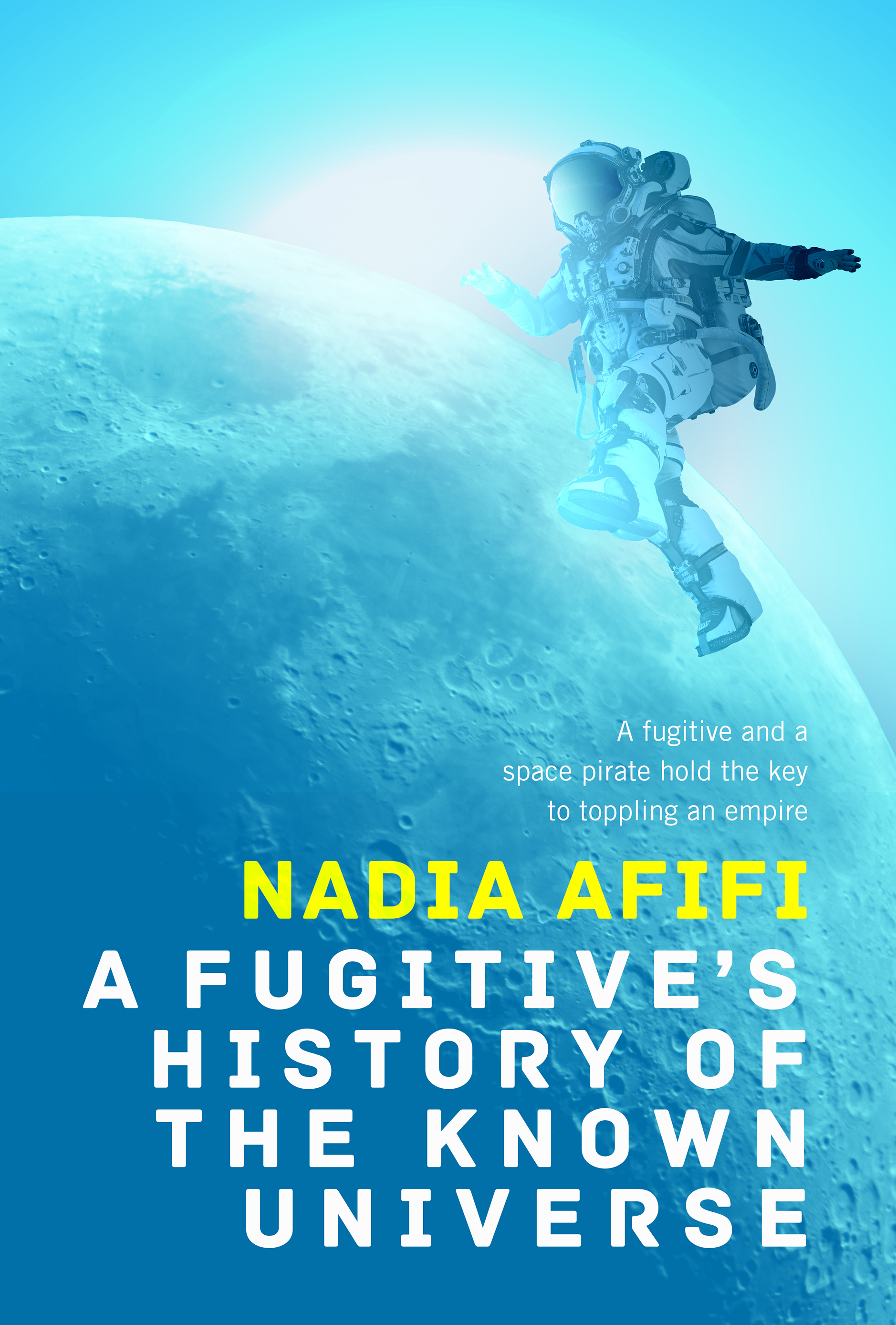
Hardcover with sprayed edges. In the sequel to A Rebel’s History of Mars, Azad and his fellow time-traveling historians must contend with the consequences of the dark secrets they’ve exposed…
After exposing the dark origins of his world on the distant planet of Nabatea, Azad is a fugitive, hunted across the galaxy by the fearsome Vitruvian Authorities. But to lead a passive society into revolution, Azad and his crew must enlist the unlikely help of a space pirate with an agenda all her own. Their adventures once again draw them into the past, into the early days of settlement on Nabatea, where a death continues to haunt the fledgling community and a mother must contend with her son’s monstrous vision for their new home.
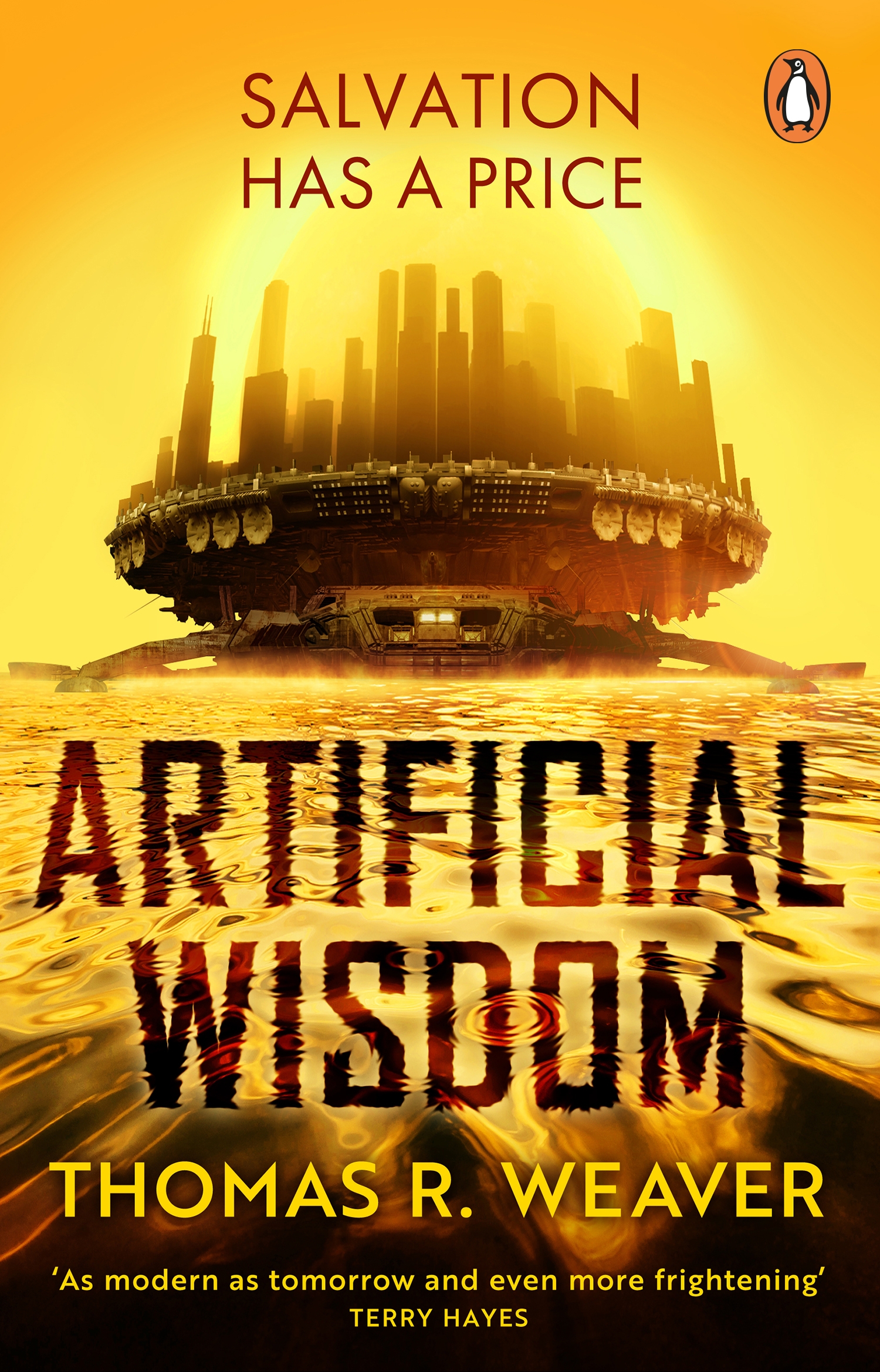
The year is 2050. In the teeth of a climate catastrophe, the world is left with a drastic solution: one global leader to steer it through the coming apocalypse.
The final two candidates are ex-US President Lockwood, and Solomon, the world’s first political artificial intelligence. As whispers of a global conspiracy emerge, investigative journalist Marcus Tully find himself at the centre of it – when Solomon’s creator turns up murdered.
Overnight, one investigation becomes two, and it’s not just the result of the election that’s at stake but the future of the species. Suddenly humanity must make an impossible choice – between salvation, or freedom.
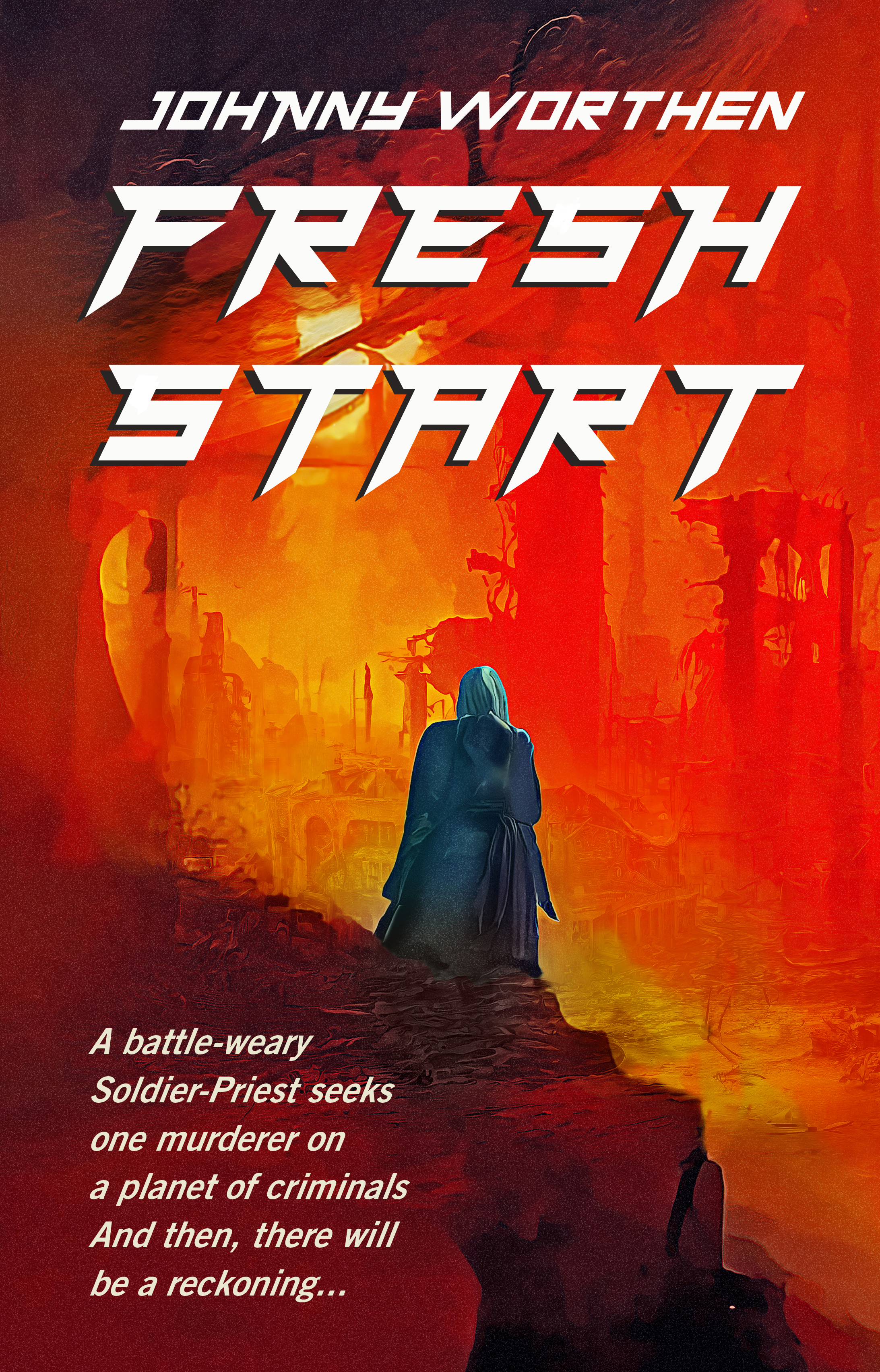
A ship, a gun, and a nice teal robe to find one killer on a planet of criminals: will Qays Mendoza get the answers he is looking for? Qays Mendoza get the answers he is looking for?
On the edges of mankind’s domain there is a penal planet called Fresh Start where a sentence is at best exile to five generations, but more likely death in its harsh unforgiving wastes. It is to this planet the empire sends the worst of the worst and it is on this planet that Qays Mendoza searches for his old captain.
The galactic empire is falling, civilization contracts. Fresh Start is abandoned. Without oversight, the planet is wild, without guards; the Oubliette, the supermax prison on the supermax planet, lies open, and the Butcher of Raznak, a killer worse than the one Qays seeks, is on the loose. With the help of a street waif called Patience, Qays seeks answers. His soul is stained with guilt and his spirit broken by complicity. Religion did not have the answer; duty did not explain it. Birthright and station were not enough. His answers lie somewhere on Fresh Start.
Format: 320 pages, Paperback Published: May 12, 2026 by Tachyon Publications ISBN: 9781616964566 (ISBN10: 1616964561)
Book Description
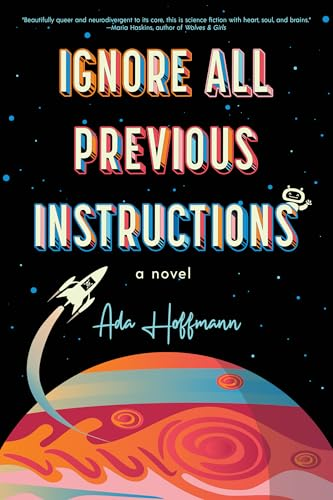
A script supervisor for an AI media conglomerate is caught between her intense need for an orderly life and her deeper, darker queer desires. From the creator of the Outside trilogy, a heartfelt interplanetary epic of identity, longing, and a space pirate who smuggles inappropriate stories.
Kelli Reynolds loves creating stories more than anything in the world. But on Callisto, a generative AI company called Inspiration owns everything, including all the media, and only Inspiration determines which stories can be told.
Kelli has a rare and coveted job in which her autism is to her advantage: She precisely edits AI output into “appropriate” stories for Inspiration’s massive TV audience. Her proudest creation is the pirate Orlando—a dashing do-gooder based on stories she used to tell friends.
Reenter Kelli’s ex-boyfriend Rowan, the person Kelli based Orlando on. Back when they were teenagers, their relationship was a secret. Kelli had thought that Rowan, a trans man, was her schoolmate Em, a girl.
Rowan is tangled up in the black market after he needed to get money for gender reassignment surgery. He needs Kelli’s help with something . . . illegal. So, now Kelli has to decide: Will she risk the safe, tidy story of her life now for the world she once wished for? What would Orlando do?
Passionate, dangerous, and tender, Ignore All Previous Instructions is a sweeping, poignant novel about censorship, forbidden love, and growing up.
My Review
I’ve known about this book for a while, because I get Ada Hoffmann’s newsletter. I got a NetGalley copy in April when I made myself go back to NetGalley, but I was struggling with the ebook version. Then my pre-ordered copy arrived on Thursday, and I started reading it yesterday. I have finished it after spending all day reading, non-stop, other than to get food. Totally immersed!
Kelli is autistic, and not the easy to empathise with cute child who is scared and shy type, but the screaming meltdowns, biting, punching type. I recognise her in me. When it all gets too painful and you can’t push the feelings down anymore, then it just explodes. Also, if you or your child are having screaming meltdowns, that’s a sign of some severely unmet needs. Instead of beating yourself or your child up for it (literally or figuratively), work out what that unmet need is AND MEET IT.
You can also be both the screaming meltdowns and the shy, scared type of Autistic, we’re complex like that.
Because we’re human.
Rowan is obviously ADHD, and as a child is misunderstood and bullied by teachers even if the kids all like him. Yeah, that sounds familiar too. Rowan’s need to transition and his need for stimulation lead him into a life that might be considered criminal. He smuggles illegal media to people in the Jovian system – that’s any media made by anyone not Inspiration.
Inspiration is the mega-corp that controls everything on Callisto. Its LLM is in everything and nobody can escape it. Human creativity is cut and controlled by models that decide on the appropriate content that will keep people happy. It’s a way to turn people into mindless robots while telling them that the company is generous and loving.
Kelli has tried not following the rules and it caused a lot of pain. Kelli tried to follow the rules and was successful – one of the 10% who had an actual job on Callisto, and one she finds fulfilling. She is a script supervisor for Inspiration, going through the outlines and scripts the genAI produces for a series featuring a character Kelli has developed since she was 8. But she can’t own the work or have her name on it, because that would be ‘stealing’ from Inspiration.
After a terrible event when they were 14, Rowan and Kelli don’t speak to each other for ten years. Rowan returns, having transitioned (in a world where transition is illegal and no one talks about Queerness lest it should ‘infect’ children) and asks for a favour. Would Kelli join him on a trip to Io to meet someone who really loves the series she’s written?
Reluctantly, Kelli agrees, and takes a few precautions, because Rowan is ‘bad’ and doesn’t follow the rules. It can’t just be talking to someone. She finds things are very much not the way Rowan said they were. For a start, the person they are meeting is the daughter of a crime boss and they want her to steal from Inspiration for the girl’s sixteenth birthday.
What follows is a heist that goes remarkably well, they get what they need and no-one gets hurt.
It all goes to hell when they get back to Io, and Inspiration’s law enforcement team arrive just at the critical moment. There is violence, explosions, a mad dash to the ship. It’s all very exciting. The emotional resolution is slow to come for Kelli but she finally works things out, just a little bit, enough to realise she wants to be with Rowan again, even if it means she loses her life on Callisto.
Their story as children is told in flashback chapters where we discover that Inspiration prevents children from learning that humans come in more than two binary heterosexual varieties, and children who look for information are prevented from learning anything. Trans people ‘don’t exist’ in this world, and what two adults do in private is no one’s business, but ‘we don’t want that in public’, so lesbian and gay people are shunned and bullied, seen as an inherant threat to children. Does that sound familiar?
Some people are so certain of their righteousness they don’t care who dies so long as they can have their exclusively cis het world. When Kelli and Rowan’s friend Elaine dies by suicide at the age of 14, Kelli decides to squash her queerness down, lock it in a box, and follow the rules. Rowan decides that he’s getting out as soon as possible. He’s already started sharing ‘illegal’ media among their tiny three person queer community, and finding ways to hack or us injection prompts to bypass controls on the computers and internet (what there is of it on Callisto) in order to jail break them, so it’s just a matter of scaling up, taking media to other frightened, isolated LGBTQIA+ people across the system, and helping to form a community.
Kelli is a realistic autistic character, Rowan is realistic as an ADHDer, while their friend Elaine has some clear mental health issues that the therapy bot is not helping. Therapy bots do not help, just like robots can’t help Autistic kids with social skills. Sorry, but trying to make us neurotypical as cheaply as possible won’t work. People with mental health problems need actual therapy and neurodivergent kids need to have their needs and learning styles respected. Just fucking do that.
These are two major parts of the narrative – neurodivergence and queerness. These are important to the author – they are autistic and genderfluid – and can speak with authority from experience of growing up in a system than pathologises both. This book benefits from that knowledge and experience; in providing realistic characters and experiences that the reader can relate to, Ada Hoffmann does what Rowan tries to do in the novel – give people stories about people like them. We all need to see ourselves in stories, being ourselves honestly and openly, finding hope and community in the stories, with other readers, and in the real world.
Reading the Afterward, I found a lot of common ground with the author, and appreciated the citations for their positions. I also understand the use of stories and using fiction to help interpret the world. I am not joking when I say I learnt to be human by reading books. Made for a strange combination at times, since I’ve liked fantasy since I was 12, but also read classics like Pride and Prejudice. Unlike me, Ada Hoffmann did something with their love of storytelling and makes a bit of a living from it.
Ada Hoffmann, under their legal name, is a PhD adjunct professor at a Canadian university, who works in computer sciences. They did their PhD in ‘creative computing’ – how can computers be used in creative work, what does it mean to sat a computer programme has been creative, that sort of thing. They thought LLMs would be used by creatives playing around and generating starting points. In the last few years, they have changed their approach, and done research into how the proliferation of LLMs/genAI has affected creatives – the damage it has done to writers and artists who live precariously as it is, including having their work stolen to train the LLMs.
LLMs are just scaled up predictive text, working from statistical analysis of what the next word in a sentence could be; they do not create, nothing they produce is original, and it amplifies any biases already present in the material it scrapes for training. The ‘artwork’ it creates is derivative and frankly bloody crap in most cases, it can’t do hands or faces, and videos are obviously faked – look for juddering on moving faces.
Basically, Ada Hoffmann is something of an expert in all the things this book is about. And they know how to write a good story. What’s not to like?
I really enjoyed the realistic space craft and space flight. The idea of sitting on top of an explosive in order to get out of a planet or moon’s gravity well does not appeal, as much as I’d love to travel the stars and see what’s out there. There’s also a discussion of how long it would take to get from Jupiter to Saturn, putting these things in perspective.
The colonies are described in enough detail to give each one its own character, and they also seem to be sensible renderings of what a colony on Callisto or Ganymede would mean.
Don’t go to Io.
It’s too volcanic for a colony.
Everyone will die.
This story was gripping, I raced through it, and I needed to know what was going to happen next. The emotional arcs were realistic and the ending satisfying. Highly recommended.
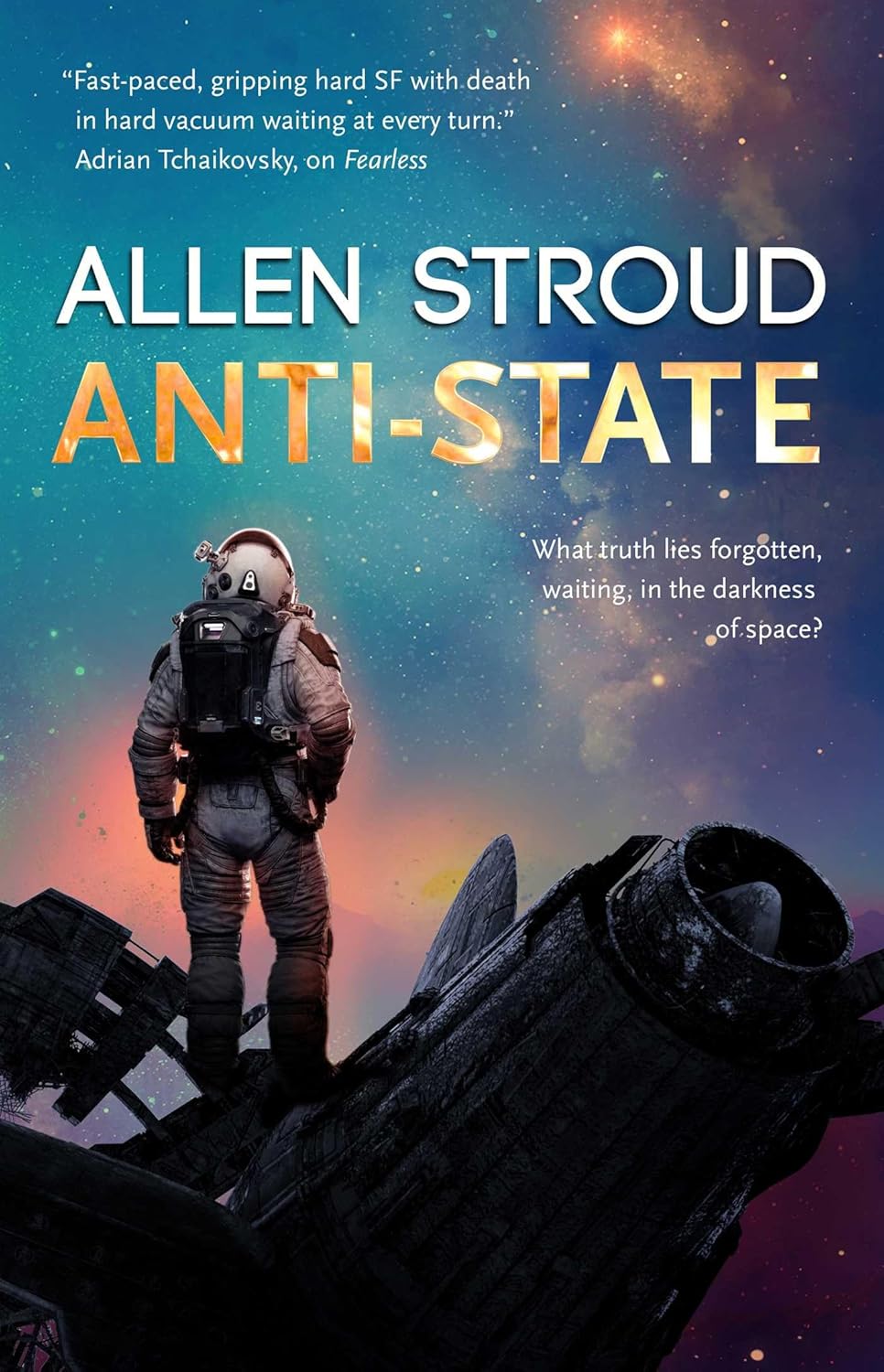
● Genre – sci-fi > space opera ● ISBN hardback – 978-1-80552-029-0 ● ISBN ebook – 978-1-80552-030-6 ● Pricing [USD] $26.95 (HB) / $4.99 (EB) ● Pricing [GBP] £20 (HB) / £4.95 (EB) ● Releases April 21 2026 ● Published by Flame Tree Press ● Distributed by Hachette UK / Simon & Schuster US
SYNOPSIS
A standalone story set in The Fractal universe, which began with the much lauded Fearless.
2121 AD. Three years after the first Mars conflict, the colony is still struggling to recover. Corporations fight to hold on to their investments. Old secrets resurface and new faces appear.
Magnus Sirocco should never have been allowed to come here. He is a vigilante turned revolutionary who has been given a cause. He doesn’t lose. Ever. Peter Iskander leads a new religious mission to deliver the promised land to their people. And after being investigated, exonerated and promoted, Commodore Ellisa Shann returns, but when a ship is stolen, she is drawn into another deadly duel.
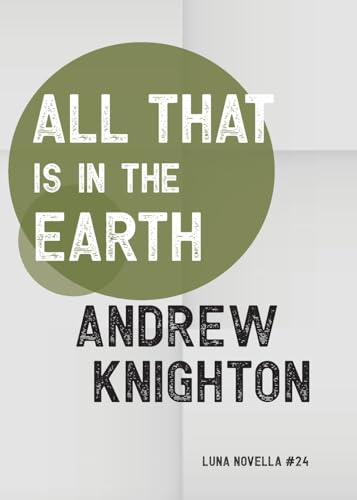
When Clifford crash lands on the planet of Abaddon, he might as well be dead: a terrible plague and a strict quarantine mean that no one leaves Abaddon alive.

Clifford isn’t the only dead man walking. Corporate mercenaries and desperate survivors are looking for ways to live in a hostile world. Constantly on the run from flesh-hungry monsters, there’s no chance to escape or to build something more.

But when Clifford makes a discovery that could change the meaning of Abaddon, loyalty clashes with survival in a story about how to live with the certainty of death.
The Author
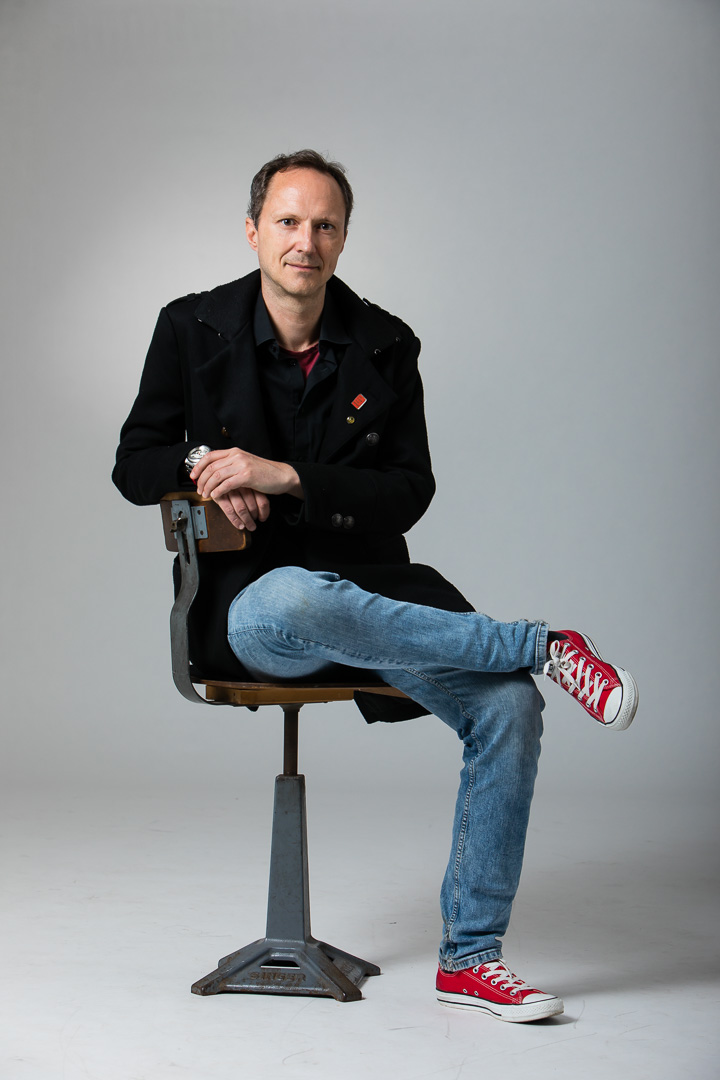
Andrew Knighton is an author of short stories, comics, novellas, and the novels The Executioner’s Blade (Northodox, November 2024) and Forged for Destiny (Orbit, March 2025). As a freelance writer, he’s ghostwritten over forty novels in other people’s names, as well as articles, history books, and video scripts. He lives in Yorkshire with an academic and a cat, growing vegetables and dreaming about a brighter future. You can find more of his work and social media links at andrewknighton.com .
My Review
I read this novella at the end of March and my brain being what it is, totally forgot to write a review.
Today I went to York.
That is not the non sequitur it might appear. I went to York for a BFS Yorkshire and Humber regional group meet-up. We went on a book crawl after meeting at the amazing Portal Bookshop. My trains were horrendously late, and I had time for a lemonade and cake in the tiny café before we left for the next bookshop. I intend to do an order for the books I didn’t get round to buying when I next get some money. As we, a group of about 10 weirdos in a very strange city, strolled in the afternoon sun towards our second bookshop, The Minster Gate Bookshop, a gangly looking fella in a red Schrodinger’s Cat joke t-shirt, by the name of Andy, started talking to me. I should have run away right then, especially after he asked if I could review his book. Once he told me what it was called, I realised that ‘Andy’ was Andrew Knighton.
I informed Andy I’d already read it, and enjoyed it. We had a bit of a chat about the story and then went on to talking about how much we both love Luna Press Publishing. Not surprising, Andy has two Luna Novellas and I fell in love with Francesca at my first Fantasycon in 2021. Alright, I fell in love with the selection of academic and Tolkien-adjacent books they print, Francesca just happened to be standing behind the table. I spent so much money! I regularly buy books from Luna Press Publishing and I recommend them.
So, that’s how I met an author and remembered to review this novella.
Clifford crash lands on an interdicted planet as a spoil scientist working for an organisation that sounds really dodgy. Actually, the entire society sounds very dystopia and authoritarian. On the planet, he meets a priestess dying of cancer, and a mixed group who show him how to survive on a planet where a disease can mutate you into bizarre forms and will kill you in days. He’s terrified of dying and desperate to get off the planet.
He isn’t getting off the planet.
As part of his travels he discovers a possible cure for the disease and tries to use it as a bargaining chip to get off the planet.
He isn’t getting off the planet.
This story is a meditation on facing the inevitability of death and deciding to live. You get the one chance, and even if it’s short and possibly painful, you can still find a way to face it all and live.
The priestess is a delight in snarkiness and her wisdom helps Clifford see that life continues even in terrible circumstances and there are ways to make the best of things even when you want to despair. There is so much potential for the world Andy built in this novella, but this story works well in the novella format; it’s just the right length for the story.
I enjoyed it immensely. It was a satisfying little read for a midweek evening. Definitely recommend it.
I did not stay in my budget today, but I only bought eight books, one of which was a recommendation from Andy and another was a new edition of Carpe Jugulem, because I need a new copy. The trains were an absolute mess all day and I had to leave early to catch a train to Doncaster that would mean I could catch my originally planned TransPennine Express back to Grimsby. I finally got home just before 7 p.m., having been out for 10 hours! I am in pain! I ended up ordering take away because my brain refused to cook, even though I have a fridge full of food. It was UC and shopping day yesterday. Also, some scum bag racist put cheap, nasty looking flags on the lampposts during the night, it was quite disconcerting when I went out this morning. Going now, I need painkillers and to put rubbish in the bin.
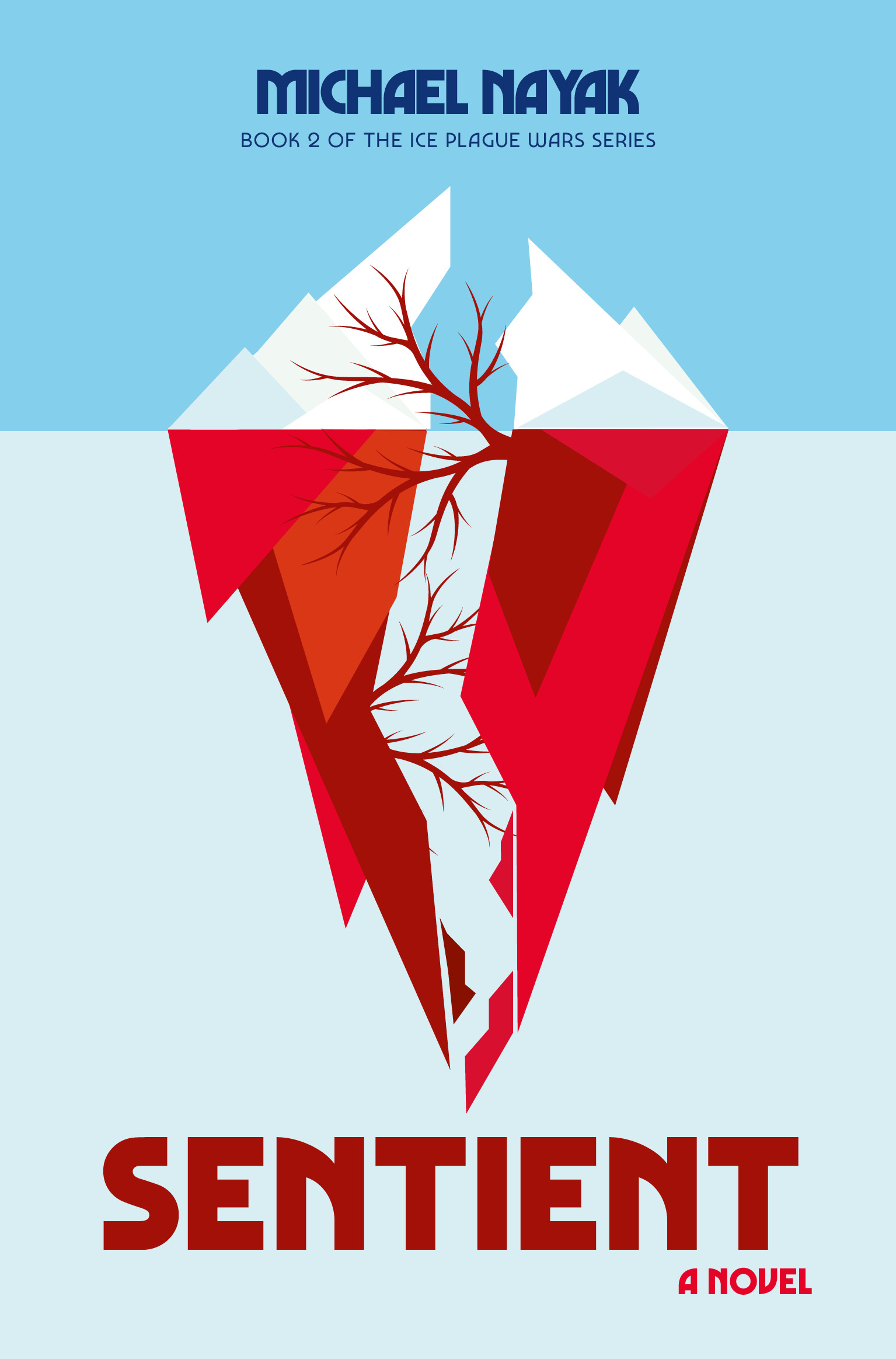
Extinction Horizon meets Contagion in this sequel to 2025’s sci-fi thriller Symbiote, where the biological threat has escaped the South Pole and is now wreaking havoc upon Antarctica.
The survivors of the South Pole massacre will find that getting off the Antarctic continent may cost them their lives…
Months after the events of Symbiote, sunrise has come to the ice continent, bringing with it the beginning of the annual tourist season. where 1,500 summer visitors will soon call the coastal McMurdo Station home. With them are the architects of the classified CIA program that unleashed the deadly microbes, who are determined to uncover what happened with their experiment and harvest samples of the mutation to turn into a biological weapon.
However, when Ben Jacobs returns from an impossible journey to the Pole and is reunited with Penny – an asymptomatic carrier of the symbiotic microbes – all hell breaks loose. When the sea ice surrounding the station becomes a fertile breeding ground for a new and more dangerous infestation, Rajan Chariya and his friends will have to join forces with the CIA to fight the onslaught of infected “sea people” roving the streets. With tensions high and stakes even higher, the question becomes when will the group stop being useful, and start becoming targets who know too much?
Worse, there may be more than one asymptomatic carrier….
With a heart-stopping pace and twists that will leave readers breathless, Sentient is a thrilling sequel that brilliantly combines all the best horror tropes with real world scenarios.