

Kerry Daynes, leading forensic psychologist, takes us into the murky world of psychological investigation to uncover what lies buried. Each of her clients is classed as a ‘mentally disordered criminal offender’ whose psychological problems have contributed to them breaking the law.
Whether she is dealing with a young murderer who says he has heard voices telling him to kill, a teacher who daubs children in red paint and threatens to abduct them, or an aspiring serial killer who faints at the sight of blood, Kerry’s quest is to delve beyond the classic question asked of forensic psychologists: ‘Are they mad or are they bad?’
In her new book, Kerry provides an unflinching, enlightening and provocative insight into the minds of her clients, shedding light
on the root causes of their behaviour.
My Review
Thanks to Anne Cater of Random Things Tours for organising this blog tour and to Octopus for sending me a copy of this book. I reviewed Kerry Daynes’ first book, The Dark Side of The Mind last year and was very happy to be asked to take part in this blog tour.
Daynes’ new book contains more stories of her time as a forensic psychologist, with each chapter discussing one patient and the circumstances of their meeting. The people she meets and the criminal justice/medical settings she works in are explored and discussed as is the current state of psychiatric care in the UK. She makes it very clear that the cuts to the NHS and the Criminal Justice System, as well as the unscientific confusion inherent in the diagnostic criteria, are harming people.
Social attitudes to those in mental distress, those with unusual behaviours or unexpected reactions to trauma, are that people are mad or bad and need to be locked up either way. It’s way more complex than that, and people need to change their attitudes, especially mental health care professionals. They have a habit of seeing the diagnosis and not the person. It’s horrible, because different professionals will give a person a different diagnosis depending on how they are presenting that day. There are some good psychologists and psychiatrists, but most of them are so sunk in the medical and pharmaceutical model they won’t entertain social models. Brains are weird, they react to stress in weird ways sometimes.
In one of the chapters, a woman was hallucinating eyes watching her and painting red on herself and any girl or woman she came into contact with. In four years nobody bothered to sit down and just talk to her. Turns out shew as abused between the ages of 7 and 12 and the abuse only stopped when she got her period. After menopause, her distress was so great because she associated bleeding with safety. Only when the author sat her down with some paper and paints and started asking gentle questions was this information elicited. Her diagnosis had become her personality for everyone else, including her husband. She was just another schizophrenic, a deluded woman who is probably dangerous and needs to be drugged. Actually talking to her shows she is a highly intelligent but extremely traumatised woman who needs support to deal with her childhood sexual abuse, her feelings of failure around not becoming a parent and her anxiety. Treat the trauma and anxiety, help her and her husband come to terms with not having children, don’t fill her with sedatives.
In another case a young man who was sexually abused as a 12 year old developed neurosise about his masculinity and after a fight with his girlfriend, raped an elderly woman. He was sent to prison and Daynes met him 8 years later in a halfway house where he was talking about the intrusive thoughts he was having. Other staff members believed he was a danger to children until Kerry sat him down and actually listened to him. He was terrified he would hurt children, even though he never had and was disgusted by the thoughts. Turns out, locking up a person who was sexually assaulted as a child with those who sexually assault children and then forcing them to relive it all in ‘brainwashing’ Sex Offender Treatment Programmes (a real thing that happened), is retraumatising. He never went on to reoffend and was horrified that he’d assaulted his victim in the first place. Treating his trauma and helping him understand healthy relationships did more good than any number of SOTP courses (which were quietly scrapped in 2017 after it came out that a study from 2012 showed they caused a slight but significant percentage of offenders to reoffend).
Oh, there was one other thing. One of her clients was an autistic young man who was in custody because he admitted to killing a man one bonfire night. Except he didn’t. The man was a crook who got beaten up by another crook. The lad was so scared of his dad that he lied to get away from home. Kerry Daynes got the truth out of him and insisted he be assessed for autism. She has a more enlightened view of autistic people than many psychologists (I know a few) but even she doesn’t appear to know we don’t like ‘ASD’, or that changing ‘disorder’ to ‘difference’ is an insulting euphemism. Just call us Autistic. Even the Big Books of Human Suffering (Daynes’ names for the DSM-V and ICD-10) have got over themselves on this point and now call it Autistic Spectrum Conditions. I wish they’d all just stop pathologising normal human variation. But I don’t write the Manuals and can’t change the minds of the millions of doctors and specialists in the world who have been trained in the medical model.
Anyway, I’m generally in agreement with Daynes’ stance on the way criminal justice and medical systems treat people in mental distress, and found this book a great insight into those systems from her perspective, rather than from the perspective of a patient. This is a well-written and thoughtful book that will give readers pause, and hopefully encourage people to think about their attitudes to mental distress and society.
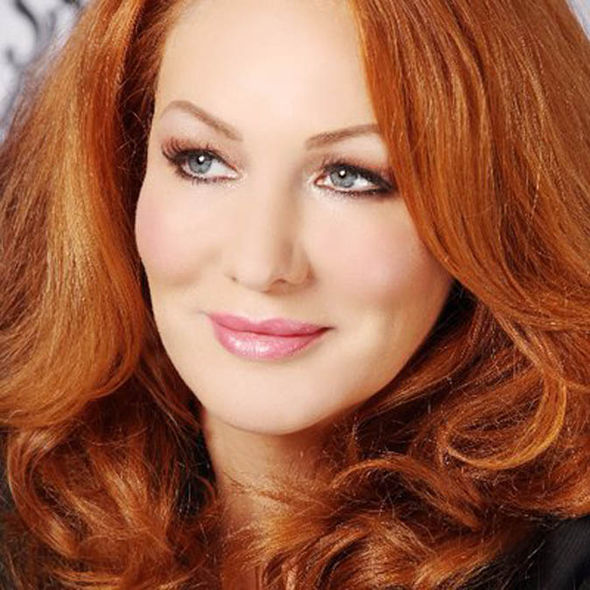
Kerry Daynes is a registered Consultant Forensic Psychologist with over twenty years’ experience of working on the frontline of
forensic psychology. She was often invited to act as psychological specialist in major police investigations and as a trusted advisor to the British government regarding the safe management of high-risk individuals.
Part of her day job still involves acting as an expert witness in court, for parole boards and training the police. But rather than feeling compromised and frustrated within the system, she now spends the majority of her time trying to affect change from the outside – as an engaging speaker and as an
advocate for better conversations around crime, justice and mental health.
She is a patron of the National Centre for Domestic Violence and Talking2Minds and, as a victim of stalking herself, acts as a spokeswoman for the Suzy Lamplugh Trust’s stalking related campaigns. Kerry is the person the TV networks turn to for expert commentary. Highly respected and known for her knowledgeable but personable delivery and sparky personality, she has contributed to numerous high-profile documentaries. These have been shown on BBC, ITV, C5, The History Channel, Discovery, CBS Reality, The Crime & Investigation Network, BBC International and more. She is also ‘The Profiler’ in the award-nominated series Faking It.
Twitter: @KerryDaynes.


 Everything Is Better With Dragons
Thanks for the blog tour support x
No problem.