PAPERBACK ORIGINAL | £ 9. 99 | ORENDA BOOKS
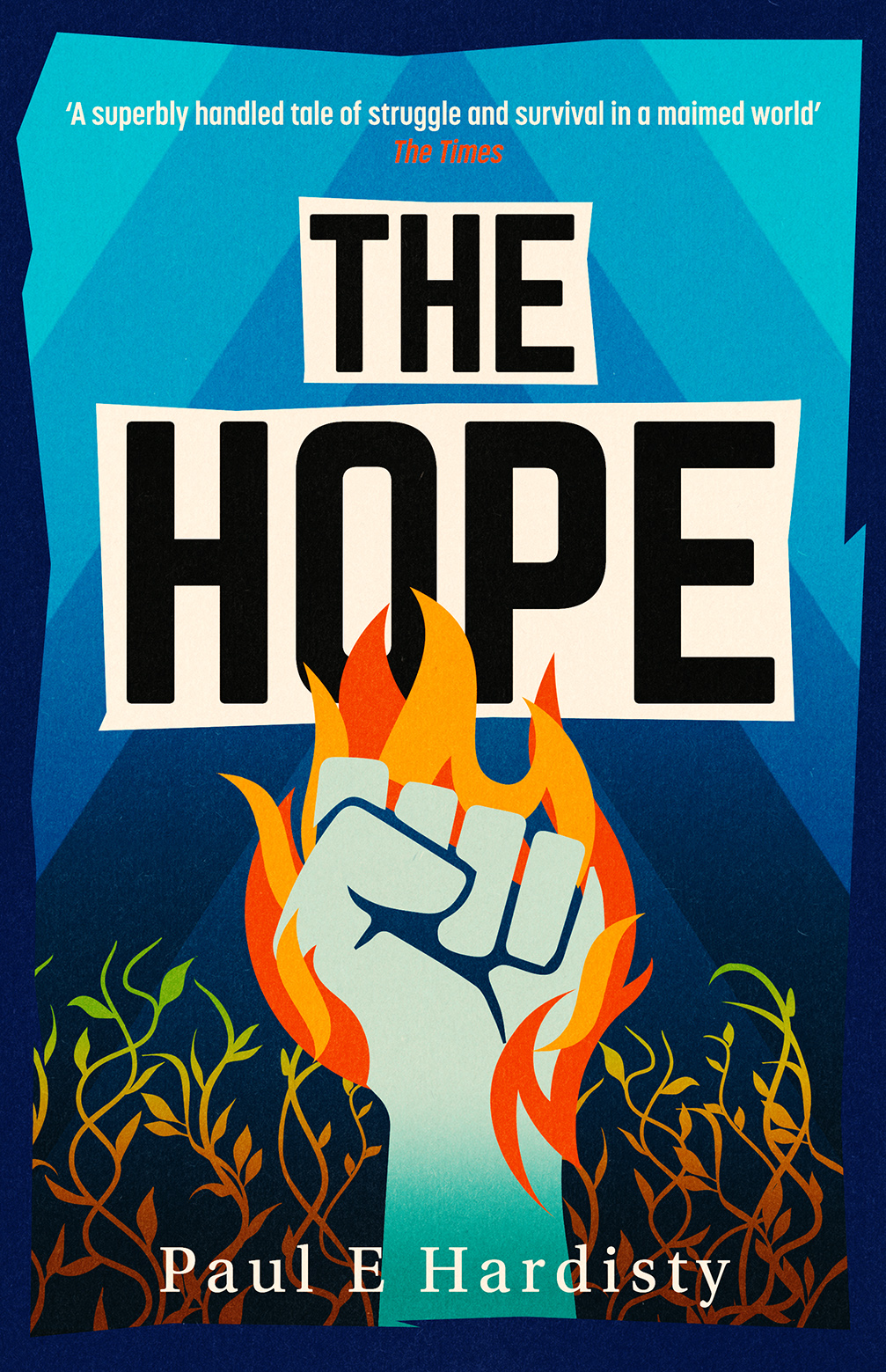
The year is 2082. Climate collapse, famine and war have left the world in ruins. In the shadow of the Alpha-Omega regime – descendants of the super-rich architects of disaster – sixteen year-old Boo Ashworth and her uncle risk everything to save what’s left of human knowledge, hiding the last surviving books in a secret library beneath the streets of Hobart.
But Boo has a secret of her own: an astonishing ability to memorise entire texts with perfect recall. When the library is discovered and destroyed, she’s forced to flee – armed with nothing but the stories she carries in her mind, and a growing understanding of her family’s true past.
Hunted and alone, and with the help of some unlikely allies, she must fight to save her loved ones – and bring hope to a broken world.
My Review
Thanks to Anne for organising this tour and to the team at Orenda for sending me a copy of this book.
At 273 pages, this is about the average length for a novel. It packs so much into those 273 pages, as we swap between the past and the present, reading two stories at the same time. There’s Kweku’s interview with his step-brother Lachie, and Boo’s story, as she first loses everyone she loves, except Boy, a teenage boy with no tongue rescued by Boo’s Auntie Julie from a slaver, and then has to bring about the end of a regime to get them back again. I started reading this book a week ago, read about 20 pages and, confused because I hadn’t read the first two books in the series, got distracted by stuff – doing too much and sleeping a lot, mainly. I finally felt relatively human today, after sleeping from 9.00 p.m. last night until 12:55 p.m. today, Saturday 17th January.
Yes, I am probably coming down with something, no, I’m not worried, this is normal for me.
Anyway.
This afternoon I sat down for five hours and read the remaining 253 pages.
I was gripped. I couldn’t stop reading. I needed to know what had happened in the past and to know what happens to Boo as she survives her house burning down, running for her life, being captured and taken to the palace, and all the potentially terrible things that could happen to her. I enjoyed the Shahrazad gambit, very clever, and her slow realisation of her place in a plan nobody bothered to tell her about.
I also couldn’t wait to find out what Lachie wanted to tell Kweku; their story and relationship was quite fascinating. They wrestle with their past as half brothers on different ends of the disaster that shaped their lives, and the murder of their father as Lachie admits to murdering the world and then his plan to bring it back to life.
This book left me drained and hopeful. I wanted to underline entire paragraphs. I cried several times. The message of this book is powerful and prescient. We are on the very edge of disaster. One wrong step and we’re all fucked. But, as the story shows, there is another way, we just have to imagine the world we want and work together to get there. I have faith in humanity. We can do this. Might need to deal with a few billionaires and their mates first…but, we can do it. I want to throw this book to people and demand they read it. Now!
The worldbuilding is an exercise in asking the question – take the world as we have it now and push everything to extremes. Where will we be in 60 years? Then imagine what we could do if we actually worked together and dealt with our mess. The message of love, infinite love, and fighting for that love, threads strongly through both the ‘Kweku interviewing Lachie’ chapters and Boo’s chapters.
The conceit of Boo telling herself the story after reading her uncle’s manuscript and ‘recording’ her own story at the same time is really interesting, although it does mean the reader has to believe that photographic memory is real and that a person can remember and recite word for word over 3000 books. I’m not saying it’s impossible, but I’m pretty certain it’s a very rare ability.
Three character criticisms.
I was slightly disturbed by the villains being fat and disabled. Fat and disabled people are often villainised, and would probably die fairly quickly in a world like the one in the book, either through lack of care or resources. We’re already disbelieved about our medical conditions as it is. Making the disabled Eminence Junior childlike and innocent, as though disabled people can’t be dickheads, plays right into the stereotypes of disabled people.
The trope of a villain being evil because of and signified by their disability is an old and insulting one. A disabled person can be evil, not because of their disability, but despite it, if they want to! Also, my mum has a cousin with that specific disability. He has never tried to control a large island through terror, as far as I know, and last time I saw him, he wasn’t particularly childish, although we were children at the time. As much as I appreciate disabled representation, I do wish people would be more imaginative about it.
The once beautiful, now fat and disgusting (because fat people are always disgusting and can’t possibly be beautiful) Immaculata portrayed as keeping Eminence Junior cowed and in a childlike state because she’s greedy for power and control doesn’t add much. This is a traumatised woman who was forced to survive in a terrifying environment, and reproduces the trauma she received. Making her fat and disabled by her fatness doesn’t add anything to that character.
Equally, Becky (Boo) is fascinating and captivating because of her mind; she didn’t need to be made into this extraordinary beauty to do what she needed to do. I don’t get it, why are heroines always unnaturally gorgeous? Tiny waist, big hips and tits, short and childlike. Aerobically unfit and lacking stamina despite living a physically active life? As though her amazing brain has to be compensated for by beauty and a delicate constitution.
Also, she’s 16. That’s a child, not an adult. She’s clearly a child, she recognises herself as a child. The shift between ‘this is a scared child running for her life’ to ‘this is a woman who must survive in a harem’ feels abrupt. She looks in the mirror and doesn’t recognise herself, because mentally Becky is still a child. She isn’t ready for the responsibilities her cousin puts on her, and she certainly isn’t ready to have sex with him.
The fact that at the end she’s pregnant and not even 17 is disturbing. I get the narrative completion that comes with her having a piece of her dead cousin in the form of a foetus, but it’s still creepy. Also, she’s tiny and likely not menstruating regularly due to lack of calories and body fat, it’s unlikely she’s actually fertile or would get pregnant so easily. Yes, I’m being nit-picky, but it threw me out of the suspended disbelief. I wanted to punch Leo for taking advantage of his besotted, younger cousin when he clearly knows better.
That being said, I enjoyed this novel immensely. It was entertaining, powerfully written and emotionally affecting. There are plot-appropriate explosions. I found the narrative arc satisfying and I didn’t need to read the first two books to understand events in this one, although I’m considering reading them to hear more about this great ocean voyage the characters experienced.
About the author
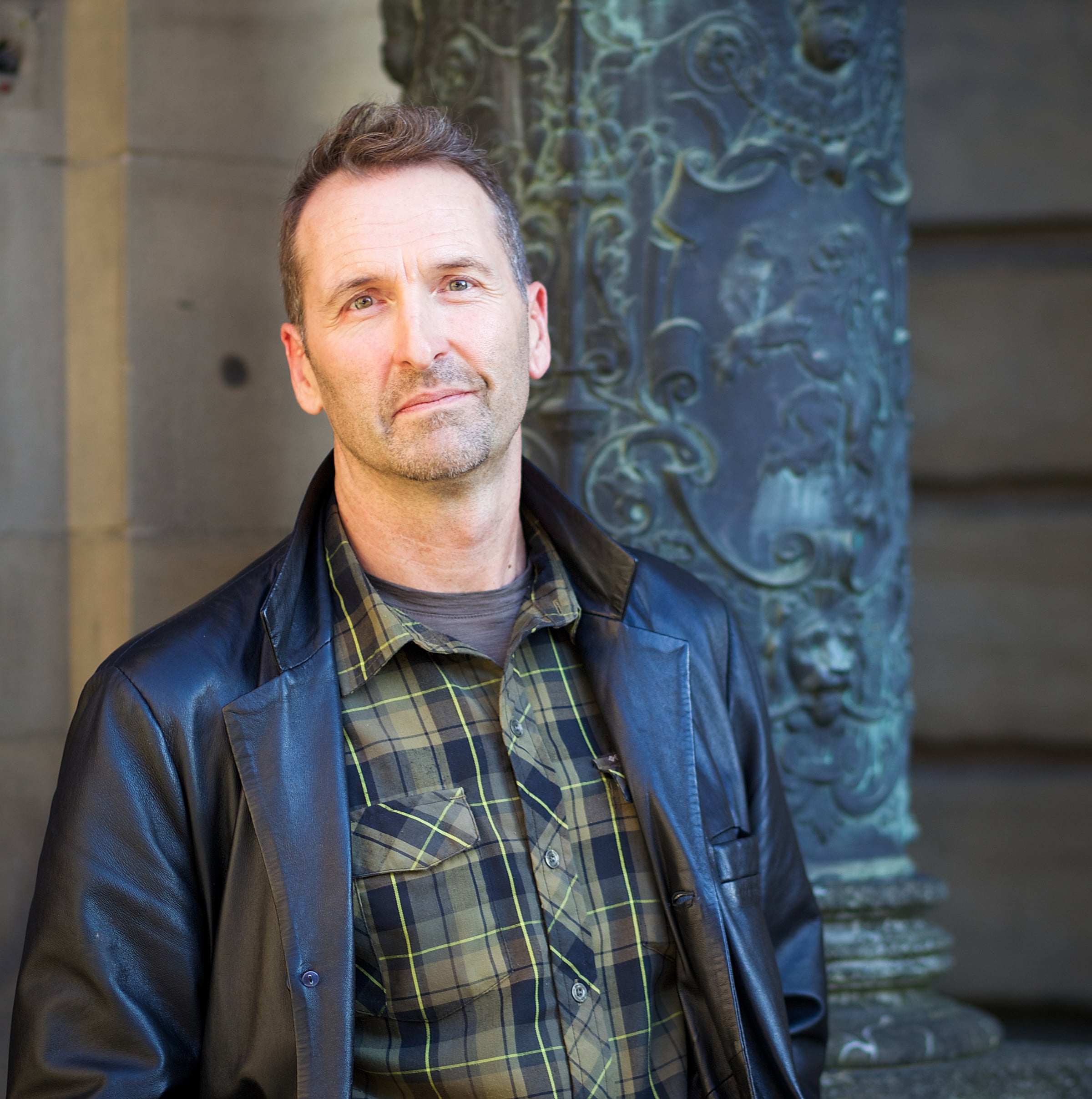
Canadian Paul Hardisty has spent twenty-five years working all over the world as an environmental scientist and freelance journalist. He has roughnecked on oil rigs in Texas, explored for gold in the Arctic, mapped geology in Eastern Turkey (where he was befriended by PKK rebels), and rehabilitated water wells in the wilds of Africa. He was in Ethiopia in 1991 as the Mengistu regime fell, survived a bomb blast in a café in Sana’a in 1993, and was one of the last Westerners out of Yemen at the outbreak of the 1994 civil war. In 2022 he criss-crossed Ukraine reporting on the Russian invasion. His debut thriller The Abrupt Physics of Dying was shortlisted for the CWA John Creasey (New Blood) Dagger and was a Telegraph Thriller of the Year, and The Forcing (2023) and The Descent (2024) were a SciFi Now Book of the Month and shortlisted for the Crime Fiction Lover Awards. Paul is a keen outdoorsman, a conservation volunteer, and lives in Western Australia.

 Everything Is Better With Dragons