Pen & Sword Review: Victorian Murderesses, by Debbie Blake

By Debbie Blake
Imprint: Pen & Sword History
Pages: 232
Illustrations: 25 mono
ISBN: 9781399094511
Published: 11th November 2022

Description

The Victorian belief that women were the ‘weaker sex’ who were expected to devote themselves entirely to family life, made it almost inconceivable that they could ever be capable of committing murder. What drove a woman to murder her husband, lover or even her own child? Were they tragic, mad or just plain evil?

Using various sources including court records, newspaper accounts and letters, this book explores some of the most notorious murder cases committed by seven women in nineteenth century Britain and America. It delves into each of the women’s lives, the circumstances that led to their crimes, their committal and trial and the various reasons why they resorted to murder: the fear of destitution led Mary Ann Brough to murder her own children; desperation to keep her job drove Sarah Drake to her crime. Money was the motive in the case of Mary Ann Cotton, who is believed to have poisoned as many as twenty-one people. Kate Bender lured her unsuspecting victims to their death in ‘The Slaughter Pen’ before stripping them of their valuables; Kate Webster’s temper got the better of her when she brutally murdered and decapitated her employer; nurse Jane Toppan admitted she derived sexual pleasure from watching her victims die slowly and Lizzie Borden was suspected of murdering her father and stepmother with an axe, so that she could live on the affluent area known as ‘the hill’ in Fall River, Massachusetts.


My Review

Thanks to Rosie Crofts at Pen & Sword for sending me this book almost two years ago now. I’ve been busy and I’ve finally got around to reading my Pen & Sword books. I still have a couple of hundred to work through, but I’ll get there eventually. My TBR pile continues to grow, as always.

This book covers the lives of seven well-known women who committed murder in the 19th century. I’ve heard of all of the women, and I’ve even written reviews of books about some of them.

The book is very competently written, covering the lives, murders and deaths of these women. There is little to no sensationalism and the writer draws on sources from the time, especially newspaper articles.

There is little exploration of the social rules and cultural beliefs surrounding each of the women. Why were some of the women found not guilty but socially punished, while some were found guilty and hanged? Why did some feel the need to kill their children? What prevented them from making other choices? Social class and cultural beliefs about a woman’s place and ‘natural character’ are barely mentioned and not explored.

This book is a good, basic introduction to these women and their crimes. You need to start somewhere, and this book has a good bibliography if you find yourself interested in one or other of the women and want to delve further.


About Debbie Blake

Debbie Blake is a freelance writer whose historical articles have been published in various publications in the UK, Ireland, Canada, and the United States. She has written articles for the internet and runs two blogs Women’s History Bites and The Wee History Blog. She is the author of Daughters of Ireland: Pioneering Irish Women and The Little Book of Tipperary, published by The History Press.

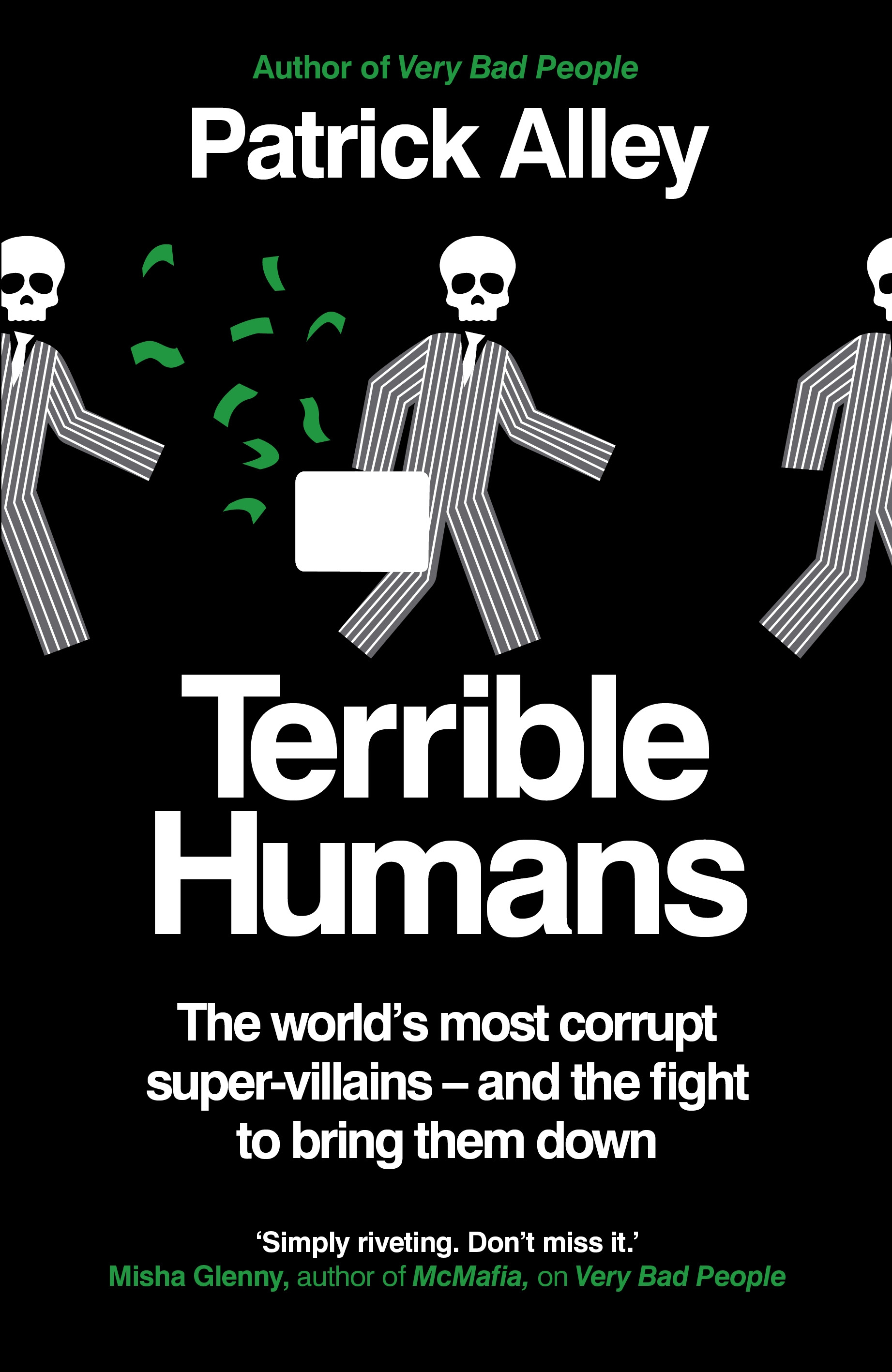
Review: Terrible Humans, by Patrick Alley

Publication date Thursday, May 23, 2024
Price £16.99
ISBN-13 9781800961982

Description
A small number of people, motivated by an insatiable greed for power and wealth, and backed by a pinstripe army of enablers (and sometimes real armies too), have driven the world to the brink of destruction. They are the super-villains of corruption and war, some with a power greater than nation state and the capacity to derail the world order. Propping
up their opulent lifestyles is a mess of crime, violence and deception on a monumental scale. But there is a fightback: small but fearless groups of brilliant undercover sleuths closing in on them, one step at a time.

In Terrible Humans, Patrick Alley, co-founder of Global Witness and the author of Very Bad People, introduces us to some of the world’s worst warlords, grifters and kleptocrats who can be found everywhere from presidential palaces to the board rooms of some of the world’s best known companies. Pitted against them, the book also follows the people
unravelling the deals, tracking the money and going undercover at great risk. From the oligarch charged with ordering the killing of an investigative journalist to the mercenary army seizing the natural resources of an entire African country, this is a whirlwind tour of the dark underbelly of the world’s super powerful and wickedly wealthy, and the daring investigators dragging them into the light.

Continue reading “Review: Terrible Humans, by Patrick Alley”

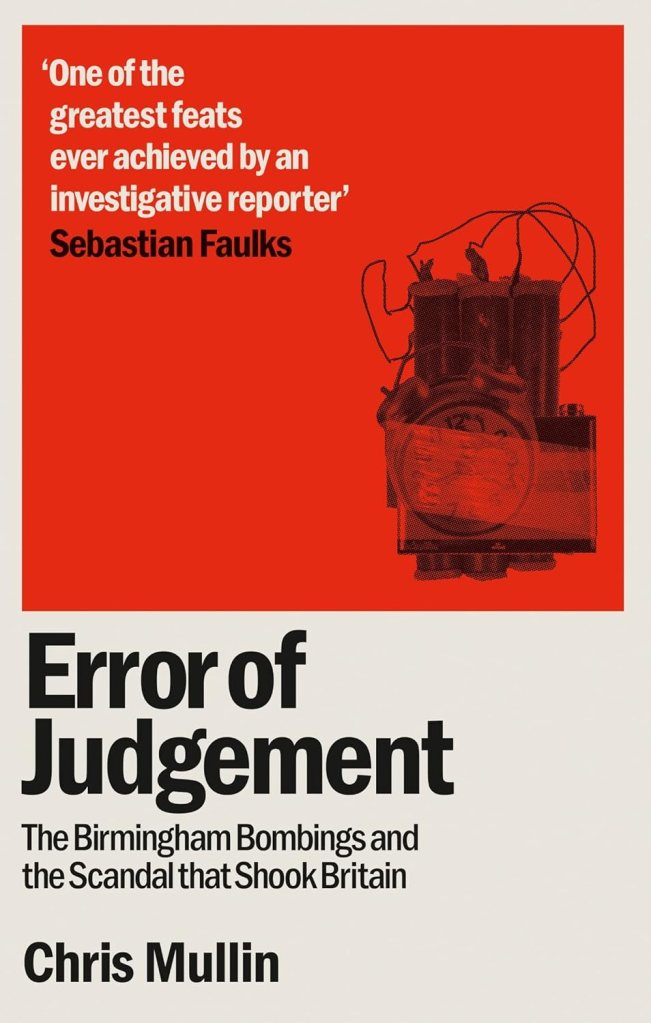
Review: Error of Judgement, by Chris Mullin

Published by Monoray in February 2024 at
£10.99 in Paperback.

Description


Error of Judgment lit a fire under the political and legal establishment when it was first published, shattering the prosecution case against six Irishmen wrongly convicted of with the Birmingham bombings and going on to change the course of British legal history. It also resulted in significant reforms to the legal system and the quashing of many other wrongful
convictions.

Now 50 years on from the bombings and with a new preface and several new chapters covering the aftermath of the case, this new edition of Error of Judgement tells the complete story of one of Britain’s most significant miscarriages of justice.

On the evening of 21st November 1974, bombs planted by the IRA in two crowded Birmingham pubs exploded, killing 21 people and injuring at least 170. Within a day of the explosion, six men – Paddy Hill, Gerry Hunter, Richard McIlkenny, Billy Power, Johnny Walker and Hughie Callaghan – were arrested and charged. All were found guilty.

Methodically, with total clarity and a tone that is both gripping and impassioned, investigative journalist Mullin unpicked every detail of the case, revealing gaping holes in the prosecution case and an establishment determined to close ranks. Error of Judgement is a graphic illustration of what can go wrong when our police and criminal justice system is under pressure to get results and how difficult it is to persuade those responsible to own up once mistakes become obvious.

Continue reading “Review: Error of Judgement, by Chris Mullin”

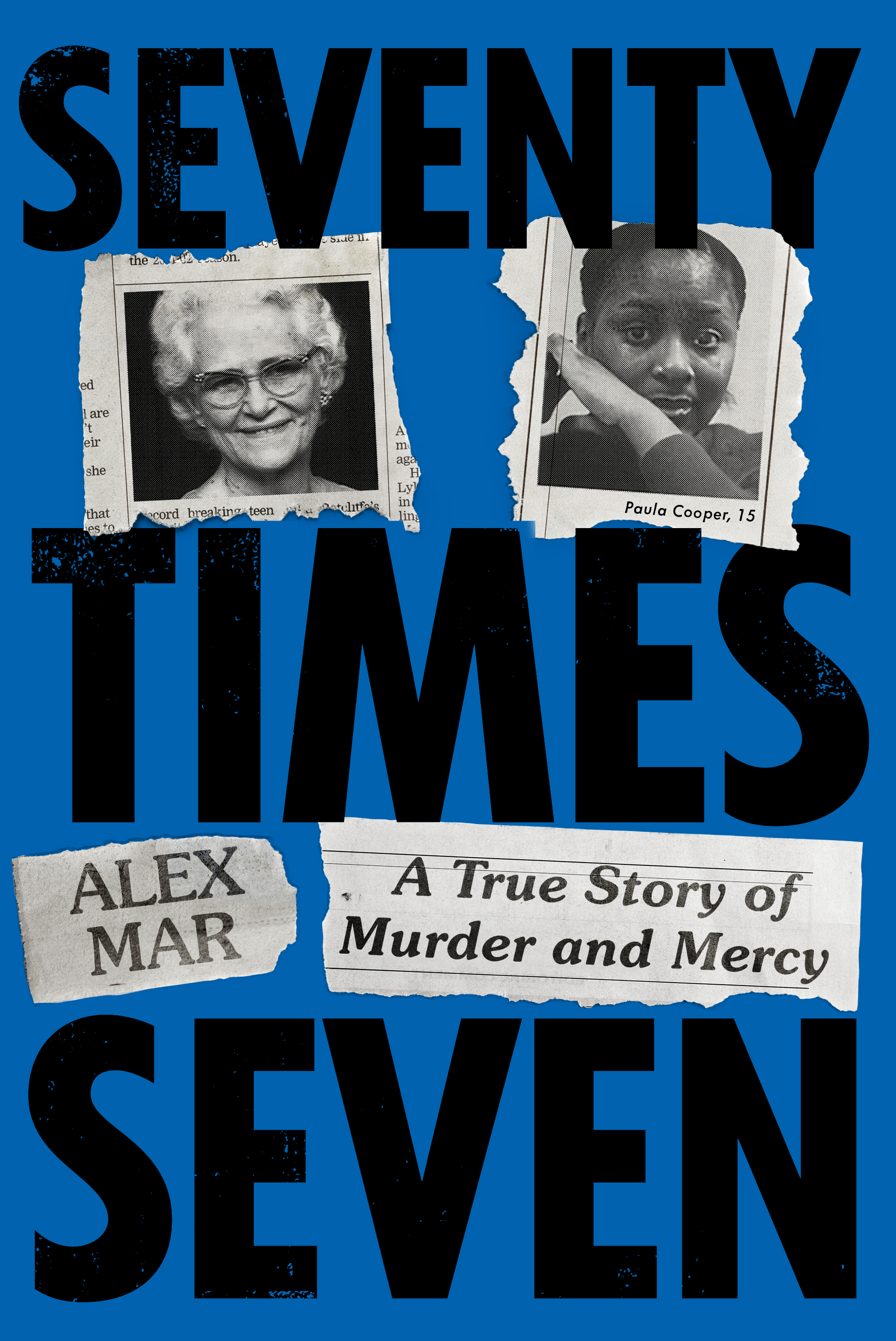
Review: Seventy Times Seven, by Alex Mar

Bedford Square Publishers
09 November 2023
£20.00
978-1-9157-9896-1

A masterful, revelatory work of literary non-fiction about a teenage girl’s
shocking crime — and its extraordinary aftermath.

On a spring afternoon in 1985 in Gary, Indiana, a fifteen-year-old black girl kills a white elderly bible teacher in a violent home invasion. In a city with a history of racial tension the press swoops in.

Paula is sentenced to death, no one decries the impending execution of a tenth grader. But the tide begins to shift when the victim’s grandson Bill forgives the girl, against the wishes of his family, and campaigns to spare her life. This tragedy in a midwestern steel town soon reverberates across the United States and around the world — reaching as far away as the Vatican — as newspapers cover the story on their front pages and millions sign petitions in support of Paula.

As Paula waits on death row, her fate sparks a debate that not only animates legal circles but raises vital questions about the value of human life. This story asks us to consider the nature of justice, and what radical acts of empathy we might be capable of.

Continue reading “Review: Seventy Times Seven, by Alex Mar”

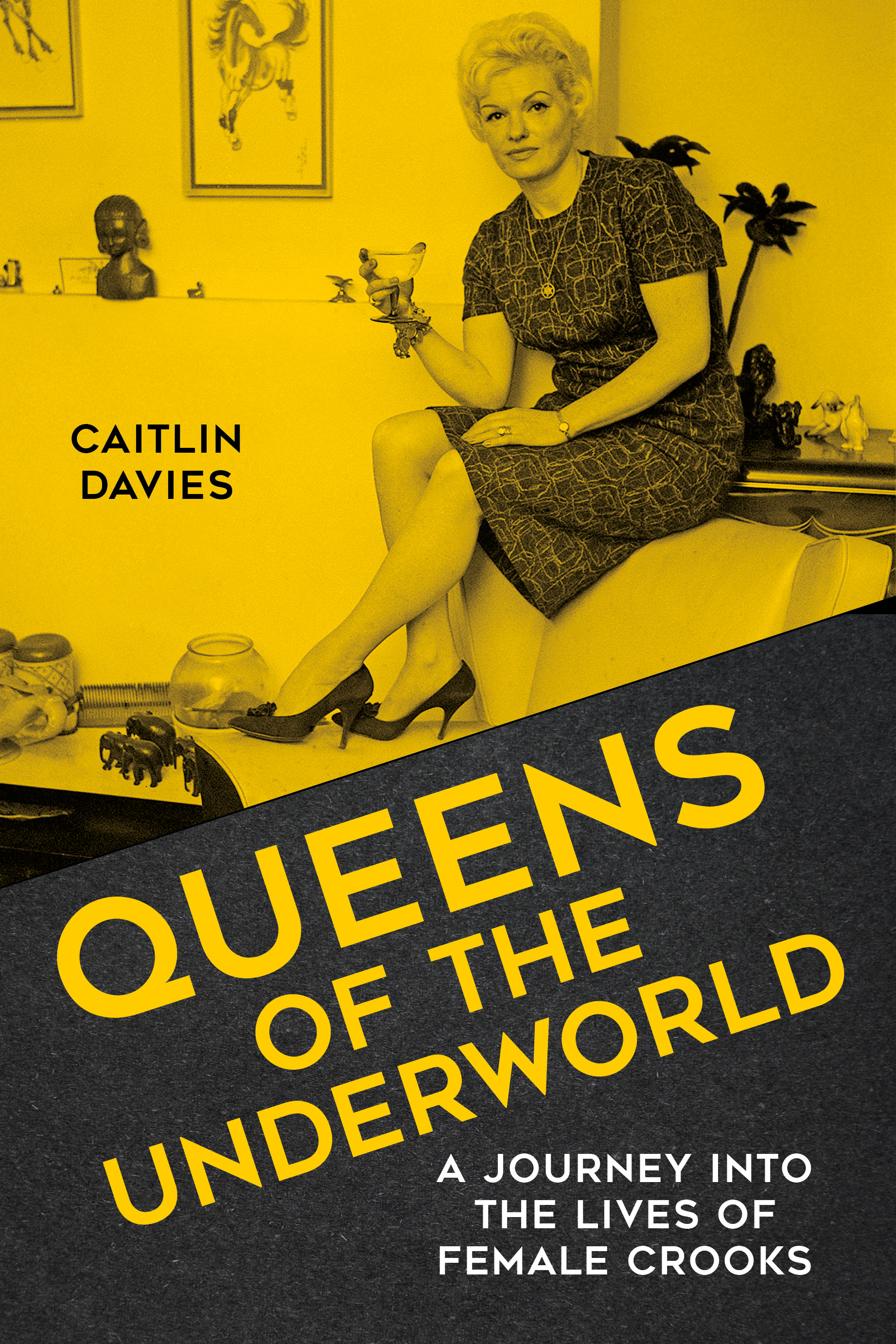
Review: Queens Of The Underworld, by Caitlin Davies

 Paperback
Publication date: April 20th 2023,
The History Press

Blurb

Robin Hood, Dick Turpin, Ronnie Biggs, the Krays … All have become folk heroes, glamorised and romanticised, even when they killed. But where are all the female crooks? Where are the street robbers, gang leaders, diamond thieves, bank robbers and gold smugglers?

Queens of the Underworld reveals the incredible story of professional female criminals from the 17th century to today. From Moll Cutpurse who ruled the Jacobean underworld, to Victorian jewel thief Emily Lawrence and 1960s burglar Zoe Progl, these were charismatic women at the top of their game.

But female criminals have long been dismissed as either not ‘real women’ or not ‘real criminals’, and in the process their stories have been lost. Caitlin Davies unravels the myths, confronts the lies, and tracks down modern-day descendants in order to tell the truth about their lives.

‘A riveting dive into the criminal underworld and the women who queened it there’ – Helena Kennedy QC

‘A rollicking account of all kinds of crime committed by women, who have not only been forgotten or ignored, but who put their male counterparts to shame’ – Julie Bindel, The Spectator

Continue reading “Review: Queens Of The Underworld, by Caitlin Davies”

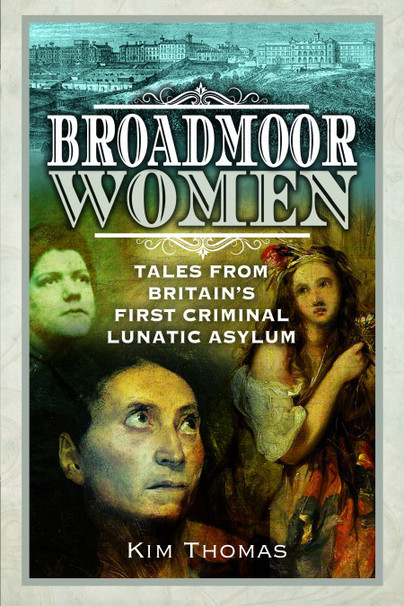
Pen & Sword Review: Broadmoor Women – Tales from Britain’s first criminal lunatic asylum, by Kim Thomas

By Kim Thomas
Imprint: Pen & Sword History
Pages: 192
Illustrations: 20 black and white illustrations
ISBN: 9781526794260
Published: 12th April 2022

Blurb

Broadmoor, Britain’s first asylum for criminal lunatics, was founded in 1863. In the first years of its existence, one in five patients was female. Most had been tried for terrible crimes and sent to Broadmoor after being found not guilty by virtue of insanity. Many had murdered their own children, while others had killed husbands or other family members.

Drawing on Broadmoor’s rich archive, this book tells the story of seven of those women, ranging from a farmer’s daughter in her 20s who shot dead her own mother to a middle-class housewife who drowned her baby daughter. Their moving stories give a glimpse into what nineteenth-century life was like for ordinary women, often struggling with poverty, domestic abuse and repeated childbearing. For some, Broadmoor, with its regime of plain food, fresh air and garden walks, was a respite from the hardships of their previous life. Others were desperate to return to their families.

All but one of the women whose stories are recounted in this book recovered and were released. Their bout of insanity was temporary. Yet the causes of their condition were poorly understood and the treatment rudimentary. As well as providing an in-depth look at the lives of women in Victorian England, the book offers a fascinating insight into the medical profession’s emerging understanding of the causes and treatment of mental illness.

My Review

Rosie Crofts, who does the marketing for Pen & Sword, sent me an email about this book a couple of weeks ago. I sat down and read it over the weekend.

I quite enjoy microhistories; the life of a single person or building can tell you something about the world around them. This book investigates the lives of seven women who were incarcerated in Broadmoor in the first forty years.

Most of them killed their children, one killed her husband and one killed her mother. Most of them had hard lives, limited by social conventions and/or poverty. Respectability was important to them all, and in court could be leveraged by a defendant so that they received a ‘guilty but insane’ or ‘not guilty by reason of insanity’ verdict. Often judges and juries were sympathetic to women who killed new born children in ‘puerperal insanity’ or ‘lactation insanity’. Psychiatrists and doctors didn’t really understand what was going on in people’s minds, and were still clinging to the idea that uteruses could cause madness; one particular belief was that women were so fragile that breast feeding for too long would cause madness.

Some of them had pre-existing mental health conditions before they committed their crimes and hadn’t received any or very limited care. Medical care for mental illness was limited at the time, as people were expected to look after their family members and doctors didn’t really understand how brains and hormones worked. Really bad cases were dropped in asylums and either left or experimented on, observed and drugged. Except in rare cases, like Tukes’ Retreat in York where the Quakers believed in calm, purposeful activity and loving kindness.

They averaged about 7 years in Broadmoor and were often released back to their families. Some husbands started petitioning for their release almost immediately after they were convicted, out of love or desperation for someone to care for their children. Returning to their families was often the worst thing that could happen to the women for several years, since it was the family/home environment that triggered the mental breakdown in the first place.

The regime at Broadmoor in the early years was based on improvement and calm, providing patients with a safe place to recover from their madness, time to heal and return to equanimity before being released. The early superintendents took after Dr. Tuke in their care of the patients; nutritious food, rest and care by sympathetic staff. Their regime was based on the latest (in the 1860s) scientific information. It would still be considered good care, now. Unfortunately, in between 1900 and 2000 there was a change in attitudes from care to abuse and back again. Seriously, I’m working on a project about this for work and it gives me nightmares to think about what happened to people with mental illnesses, learning disabilities or who were otherwise neurodivergent in asylums and residential centres.

I found this book interesting, it humanises the history of Broadmoor and gives us a snapshot into the social conditions of the late Victorian period. It would have been interesting to learn about the lives of the women warders alongside the patients. How did some working class women end up as warders and some as patients?

Could have done with some copy editing.

Review: What Lies Buried, by Kerry Daynes

Kerry Daynes, leading forensic psychologist, takes us into the murky world of psychological investigation to uncover what lies buried. Each of her clients is classed as a ‘mentally disordered criminal offender’ whose psychological problems have contributed to them breaking the law.

Whether she is dealing with a young murderer who says he has heard voices telling him to kill, a teacher who daubs children in red paint and threatens to abduct them, or an aspiring serial killer who faints at the sight of blood, Kerry’s quest is to delve beyond the classic question asked of forensic psychologists: ‘Are they mad or are they bad?’

In her new book, Kerry provides an unflinching, enlightening and provocative insight into the minds of her clients, shedding light
on the root causes of their behaviour.

Continue reading “Review: What Lies Buried, by Kerry Daynes”

TBR Pile Review: Bad Psychology, by Robert A. Forde

34878545
Paperback, 304 pages
Published September 1st 2017 by Jessica Kingsley Publishers
ISBN:1785922300 (ISBN13: 9781785922305)

For decades the psychological assessment and treatment of offenders has run on invalid and untested programmes. Robert A. Forde exposes the current ineffectiveness of forensic psychology that has for too long been maintained by individual and commercial vested interests, resulting in dangerous prisoners being released on parole, and low risk prisoners being denied it, wasting enormous amounts of public money. Challenging entrenched ideas about the field of psychology as a whole, and how it should be practised in the criminal justice system, the author shows how effective changes can be made for more just decisions, and the better rehabilitation of offenders into society, while significantly reducing the cost to the taxpayer.


This is a fearless account calling for a return to scientific evidence in the troubled field of forensic psychology. 

Continue reading “TBR Pile Review: Bad Psychology, by Robert A. Forde”

Review: In Black and White, by Alexandra Wilson

Alexandra Wilson was a teenager when her dear family friend Ayo was stabbed on his way home from football. Ayo’s death changed Alexandra. His death compelled her to enter the legal profession to search for answers.
As a junior criminal and family law barrister she finds herself navigating a world and a set of rules designed by a privileged few. A world in which barristers sigh with relief at the retirement of a racist judge: ‘I’ve got a black kid today and he would have had no hope.’

In her debut book In Black and White, Alexandra beautifully re-creates the tense court room scenes, the heart-breaking meetings with teenage clients and the moments of frustration and triumph that make up a young barrister’s life.

Alexandra speaks with raw honesty about her experience as a mixed-race woman from a non-traditional background in a profession that is sorely lacking in diverse representation. A justice system in which a disproportionately large number of black and mixed-race people are charged, convicted and sent to prison.

She shows us how it feels to defend someone who hates the colour of your skin or someone you suspect is guilty, and the heart-breaking youth justice cases she has worked on. We see what it’s like for the teenagers coerced into county line drug deals and the damage that can be caused when we criminalise teenagers.

Her account of what she has witnessed as a young mixed-race barrister is in equal parts shocking, compelling, confounding and powerful. Alexandra’s story is unique in a profession still dominated by a section of society with little first-hand experience of the devastating impact of violent crime.

Endeavour • 13th August 2020
£16.99 • Hardback

Continue reading “Review: In Black and White, by Alexandra Wilson”

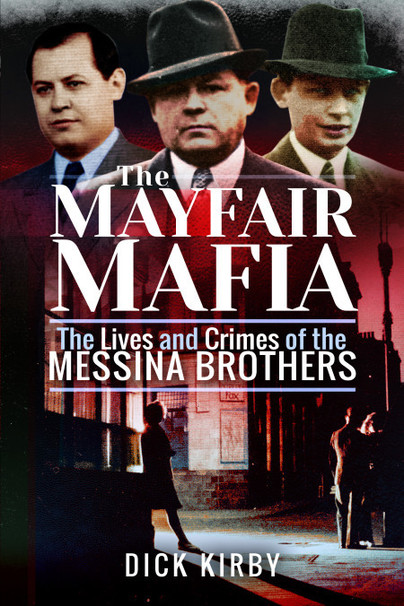
Review: The Mayfair Mafia, by Dick Kirby

The Mayfair Mafia
By Dick Kirby
Imprint: Pen & Sword True Crime
Pages: 198
Illustrations: 32
ISBN: 9781526742612
Published: 1st May 2019

It is a little known fact that one immigrant Italian family ran London’s thriving vice trade unchecked from the mid-1930s for some twenty years.

The five Messina brothers imported prostitutes from the Continent on an industrial scale, acquiring the women British citizenship by phoney marriages. Demanding 80% of earnings, the Messina became fabulously wealthy, purchasing expensive properties, cars and influence.

As this revealing and absorbing account describes, the brothers ruled with a ruthless combination of charm, blackmail and all too credible threats of disfigurement and death.

It took a sensational Sunday newspaper exposé to get the authorities to act. A series of dramatic arrests and trials followed and one by one the brothers were imprisoned and deported for crimes including immoral earnings, attempted bribery and firearms offences.

Such was their fortune that numerous potential beneficiaries came forward, most recently in 2012.

The author, a much published former Metropolitan police officer, has researched the remarkable criminal careers of the five Messina’s and the result is a riveting and shocking read.

Continue reading “Review: The Mayfair Mafia, by Dick Kirby”