May 2014. Sierra Leone is ranked the country with the highest death rate of pregnant women in the world. The same month, Ebola crosses in from neighbouring Guinea. Arriving a few weeks later, Dr Benjamin Black finds himself at the centre of an exponential Ebola outbreak.
From impossible decisions on the maternity ward to moral dilemmas at the Ebola Treatment Centres. One mistake, one error of judgment, could spell disaster.
Title Details ISBN:9781911668565 | Murdoch Books Hardcover | Embargo 13 October 2022 RRP £25.00
A heart-warming story of resilience and Persian culinary culture with mouth-watering recipes that are simple, flexible and full of flavour.
In Iran Hamed was a chef and restaurateur but he was also frequently in trouble with the religious police. When a crisis of faith imperilled his life, Hamed was forced to flee to Australia by boat with his pregnant girlfriend for his own safety. They travelled to Indonesia and then to Australia where they were detained for five months, shortly after their release their daughter was born.
It was natural for Hamed to gravitate towards food after his perilous escape and journey to Australia. His first dream was to find work: without English or local experience, that was hard enough. His next ambition was to open a business: his heartfelt cafe and restaurant SalamaTea launched in 2019. As soon as he could, Hamed employed fellow refugees and asylum seekers at SalamaTea, giving them the work experience that he found so hard to come by himself.
In Salamati Hamed melds Persian culinary culture and an understanding of different flavours to create recipes that are truly his – and now ours – to share. Hamed’s food is anchored in tradition but with recipes which are accessible to all, celebratory and appealing. With every swipe of warm lavash through herbed adami dip, every bite of braised lamb with dried lime and saffron rice, Hamed shines a light on his Persian past as he continues to build an optimistic future.
Packed with beautiful recipes and gorgeous photography throughout, Salamati is full of authentic and accessible dishes: • Ghahve Khunee Omelette (Street Food Tomato Omelette) • Halim Bademjan (Lamb, Lentil and Eggplant Casserole) • Fesenjun (Walnut and Pomegranate Chicken Stew) • Sabzi Polow Ba Mahi (Fish with Herb Pilaf) • Khoresh Bamieh (Slow-cooked Beef and Okra) • Lubia Polow (Green Bean Pilaf) • Persian Love cake • Bastani Sonnati (Persian Ice Cream) Wherever you live and whatever your background, you are invited to join the feast.
296 pages, Paperback Published January 1, 2009 by Middlesex University Press ISBN 9781904750680 (ISBN10: 1904750680)
Blurb
A history of the fantasy form, this work traces the genre from the earliest years with The Epic of Gilgamesh and The Odyssey through to the origins of modern fantasy in the 20th century with such acclaimed writers as Terry Pratchett and J. K. Rowling. An exploration of the great variety of fiction published under the heading “fantasy,” this engaging study seeks to explain its continuing and ever-growing popularity.
My Review
I bought myself this book because I am interested in fantasy as a genre. I have been reading fantasy seriously for almost thirty years, and I have joked that I learnt to be human by reading fantasy. I’ve learnt a lot about why people do what they do by reading fantasy. I am interested in the history and theory of the genre because I want to know why it is so popular, yet so disdained by the literary establishment*.
This book covers the development of fantasy as a genre up to 2008. It goes into detail in some areas but not in others. They cover Pratchett and Tolkien, of course, but also children’s fantasy and the cross-over between fantasy and sci fi. It is a comfortable balance between the popular and the academic.
I have only one problem with this book: I keep buying books. Oh, and it needs updating to 2022. Lots has happened in the last 14 years.
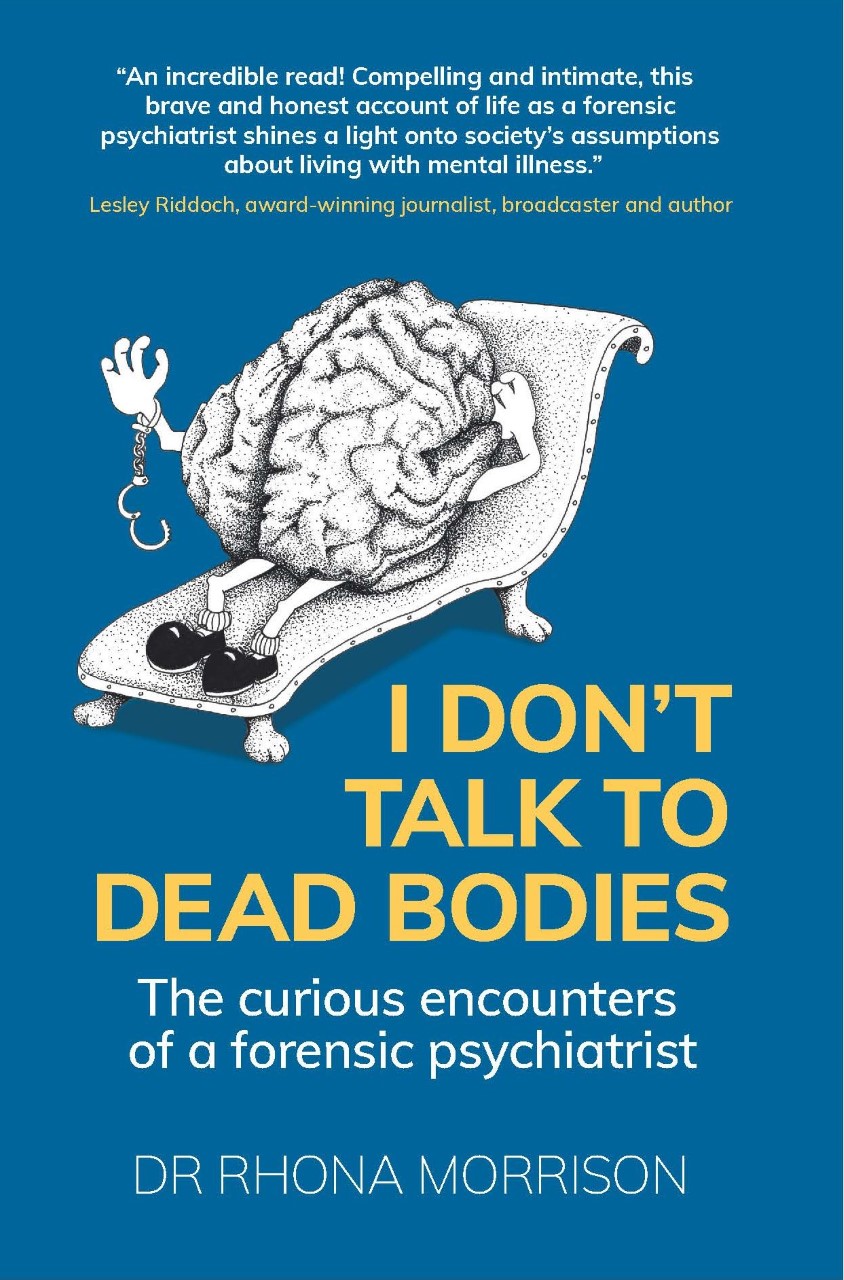
ISBN: 9781912300785 Price: £12.99 Publication Date: 28th July 2022 Print Book, eBook and Audiobook
Synopsis Prepare to be intrigued, amazed and astonished as you join Dr Rhona Morrison on an often funny, and at times downright bizarre, thought-provoking and eye-opening rollercoaster ride through some of the most curious encounters of her career as a leading forensic psychiatrist.
Delve into the minds of real people, whose actions may shock and stun you, but whose stories have the power to challenge your assumptions and the stigma that surrounds mental illness.
Travel directly into their living rooms and see behind the closed doors of hospitals, prisons and court rooms. Lift the lid on Dr Morrison’s jaw-dropping experiences with murderers, stalkers and other dangerous offenders as she attempts to make sense of some highly unusual situations.
Discover the true stories of the inspiring human beings who are bravely learning to live with major mental illness. I Don’t Talk to Dead Bodies shines a powerful, emotional and surprisingly moving spotlight on the fascinating life of a forensic psychiatrist and the people she works with. It goes beyond the sensationalist headlines to show you just what happens in a world where mental illness occasionally makes good people do bad things.
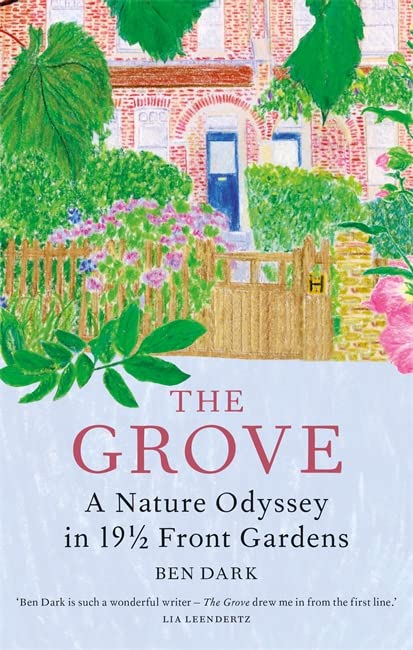
Recent times have seen a renewed interest in urban nature, as can be witnessed in the work of amateur botanists, identifying wildflowers and chalking their names on pavements. In The Grove the award-winning writer and head gardener, Ben Dark, reveals the remarkable secrets of 20 commonly found cultivated plants – including the rose, buddleja and the tulip – observed in the front gardens of a typical London street on daily walks over the course of a year. We discover how each species found its way into our gardens, the cast of characters who played their part in its story and what each one tells us about our national obsession with gardening and the urge to cultivate our own patch of nature.
‘Every species in this book was seen from one pavement over twelve months and there is little here that could not be found on any road in any town, but they recount stories of such weirdness, drama, passion and humour that, once discovered, familiar neighbourhoods will be changed forever.’
The Grove is about so much more than a single street, or indeed the plants found in its 19 ½ front gardens. It’s a glorious piece of urban nature writing and a skilful blend of horticultural history, personal narrative and an exploration of why gardens and gardening matter.
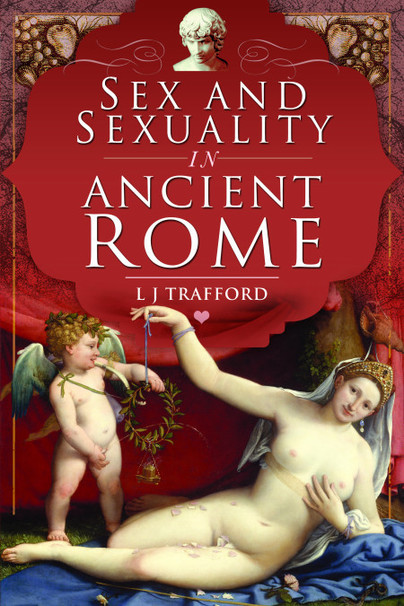
Imprint: Pen & Sword History Series: Sex and Sexuality Pages: 176 Illustrations: 25 black and white illustrations ISBN: 9781526769183 Published: 8th March 2022
Blurb
The Tudor period has long gripped our imaginations. Because we have consumed so many costume dramas on TV and film, read so many histories, factual or romanticised, we think we know how this society operated. We know they ‘did’ romance but how did they do sex?
In this affectionate, informative and fascinating look at sex and sexuality in Tudor times, author Carol McGrath peeks beneath the bedsheets of late fifteenth- and early sixteenth-century England to offer a genuine understanding of the romantic and sexual habits of our Tudor ancestors.
Find out the truth about ‘swiving’, ‘bawds’, ‘shaking the sheets’ and ‘the deed of darkness’. Discover the infamous indiscretions and scandals, feast day rituals, the Southwark Stews, and even city streets whose names indicated their use for sexual pleasure. Explore Tudor fashion: the codpiece, slashed hose and doublets, women’s layered dressing with partlets, overgowns and stomachers laced tightly in place. What was the Church view on morality, witchcraft and the female body? On which days could married couples indulge in sex and why? How were same sex relationships perceived? How common was adultery? How did they deal with contraception and how did Tudors attempt to cure venereal disease? And how did people bend and ignore all these rules?
From Emperors and empresses, poets and prostitutes, slaves and plebs, Ancient Rome was a wealth of different experiences and expectations. None more so than around the subject of sex and sexuality. The image of Ancient Rome that has come down to us is one of sexual excess: emperors gripped by perversion partaking in pleasure with whomever and whatever they fancied during week long orgies. But how true are these tales of depravity? Was it really a sexual free for all? What were the laws surrounding sexual engagement? How did these vary according to gender and class? And what happened to those who transgressed the rules?
We invite you to climb into bed with the Romans to discover some very odd contraceptive devices, gather top tips on how to attract a partner and learn why you should avoid poets as lovers at all costs. Along the way we’ll stumble across potions and spells, emperors and their favourites and some truly eye-popping interior décor choices.
Publication date Thursday, September 01, 2022 Price £20.00 EAN\ISBN-13 9781913068790 Binding Hardback 304 pages
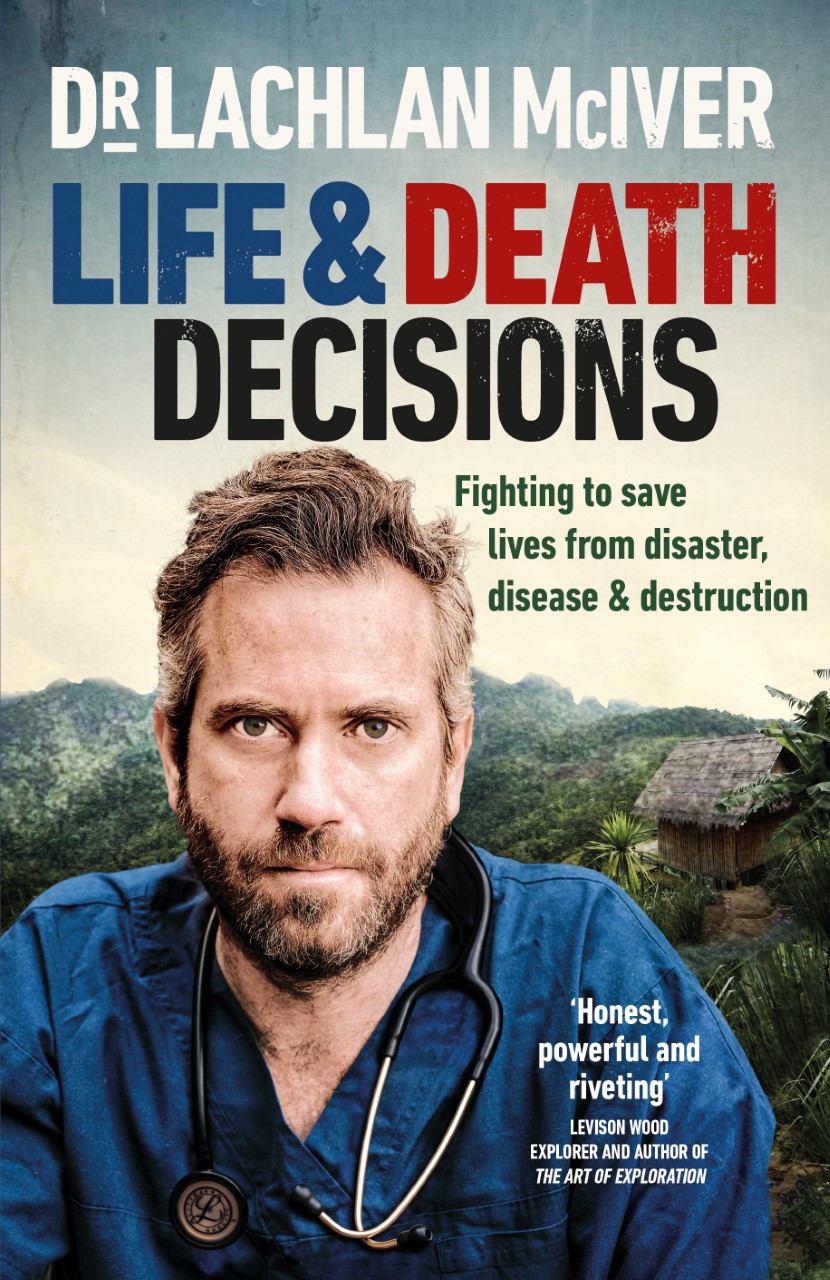
Blurb An action-packed tale of medicine in the most remote, poverty-torn areas of the globe from a Médecins Sans Frontières doctor. Set to appeal to fans of War Doctor.
Lachlan was sixteen when he found his father dead on the side of a dirt road in North Queensland, Australia. He had suffered a sudden heart attack and died alone. It was this tragedy that motivated Lachlan to train as a doctor specialising in providing medical care for people living in remote, resource-deprived locations. Lachlan’s work with the World Health Organization and Medecins Sans Frontieres has taken him to some of the world’s most extreme environments from the sinking islands of the Pacific to epidemics and war zones in the Middle East and sub-Saharan Africa.
In this no-holds-barred memoir, Lachlan recounts his experiences treating patients ravaged by tropical diseases, managing war wounds with drug-resistant infections, delivering babies by the light of a head torch, dealing with the devastating effects of climate change and narrowly avoiding being kidnapped by militia in the Democratic Republic of the Congo.
Tackling such impossible problems day in and day out inevitably takes a personal toll. Lachlan is ultimately forced to face his own battles with depression, alcohol abuse and bankruptcy.
Life and Death Decisions is a deeply human look at the personal cost of our broken global health system and a vital call to action.
The end of empire in the island of Great Britain was both more abrupt and more complete than in any of the other European Roman provinces. When the fog clears and Britain re-enters the historical record, it is, unlike other former European provinces of the Western Empire, dominated by a new culture that speaks a language that is neither Roman nor indigenous British Brythonic and with a pagan religion that owes nothing to Romanitas or native British practices.
Other ex-Roman provinces of the Western Empire in Europe showed two consistent features conspicuously absent from the lowlands of Britain: the dominant language was derived from the local Vulgar Latin and the dominant religion was a Christianity that looked towards Rome. This leads naturally to the question: ‘what was different about Britannia?’ A further anomaly in our understanding lies in the significant dating mismatch between historical and archaeological data of the Germanic migrations, and the latest genetic evidence. The answer to England’s unique early history may lie in resolving this paradox.
John Lambshead summarizes the latest data gathered by historians, archaeologists, climatologists and biologists and synthesizes it all into a fresh new explanation.
Format: 176 pages, Paperback Publication Date: 4th August 2022 by Icon Books ISBN:9781785786914 (ISBN10: 1785786911) Language: English
Blurb
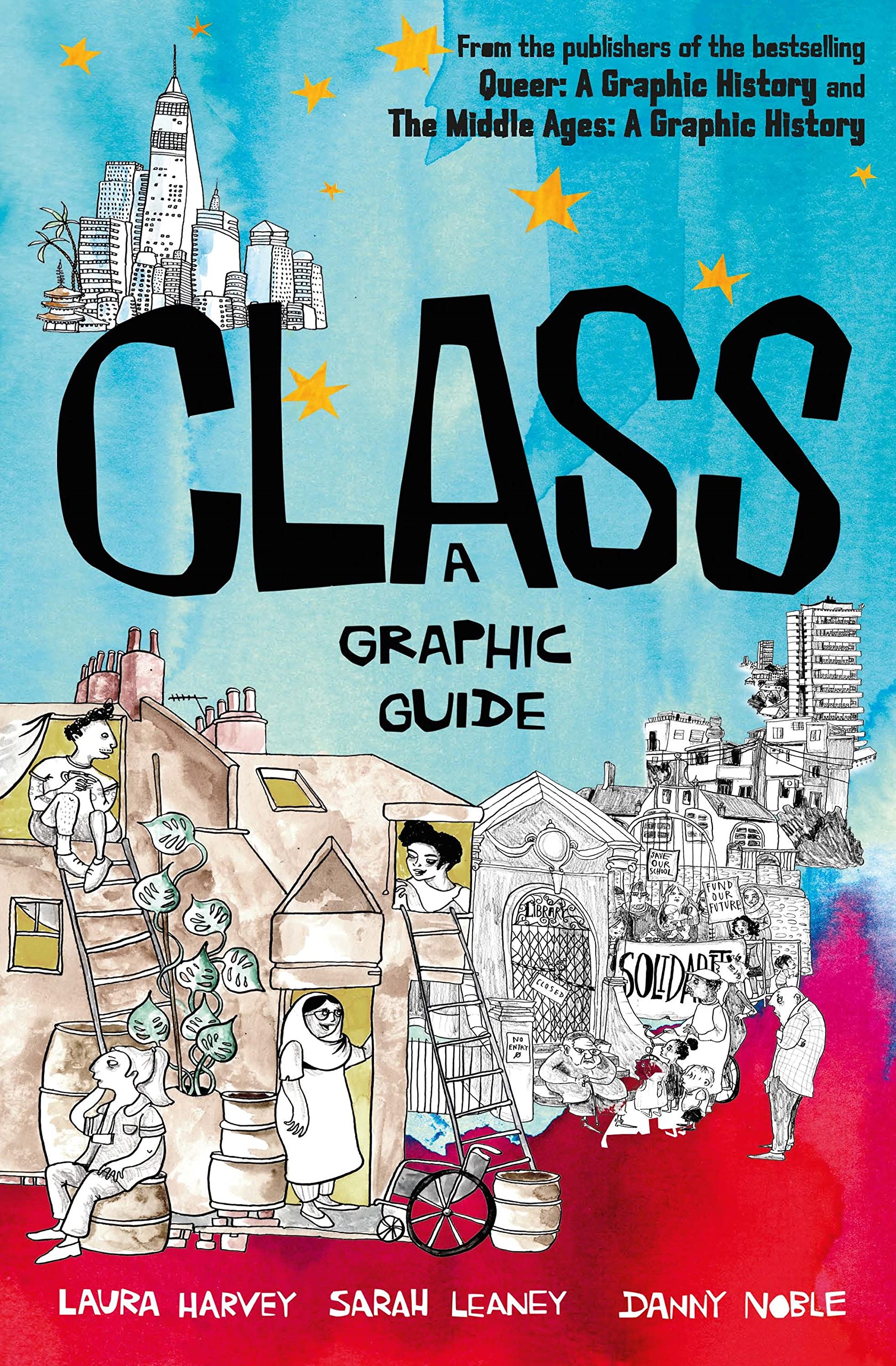
What do we mean by social class in the 21st century?
A new Graphic Guide from Icon Books. Sociologists Laura Harvey and Sarah Leaney and award-winning comics artist Danny Noble present an illustrated journey through the history, sociology and lived experience of class.
What can class tell us about gentrification, precarious work, the role of elites in society, or access to education? How have thinkers explored class in the past, and how does it affect us today? How does class inform activism and change?
Class: A Graphic Guide challenges simplistic and stigmatizing ideas about working-class people, discusses colonialist roots of class systems, and looks at how class intersects with race, sexuality, gender, disability and age. From the publishers of the bestselling Queer: A Graphic History, this is a vibrant, enjoyable introduction for students, community workers, activists and anyone who wants to understand how class functions in their own lives.




 Everything Is Better With Dragons