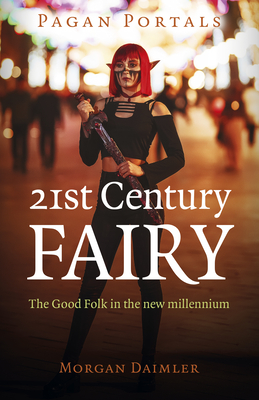
When people think of fairies they often picture beings who dwell in the wilderness, solidly anchored in the past. Yet the truth is that fairies are as present and active in the world today as ever, found as easily in cities as they are in wild places. 21st Century Fairy explores fairy beliefs and encounters in the modern world, framed by folklore, modern fiction and personal experience, to show readers the possibilities that are out there. Learn whether fairies evolve and what a modern city in the fairy world might be like. Be open to the possibility of tech fairies existing alongside fairies in nature and learn how they interact with human technology. Much like the human world, the fairy world is stunningly diverse and constantly changing. 21st Century Fairy is a guide to seekers who want a modern context for these ancient beings.
Personal Trainer and Broadcaster Tally Rye is one of the key figures in the global intuitive fitness movement.
In her first book, Train Happy she encouraged us to change the way we think about exercise, teaching readers to approach movement with a mindset of self-care rather than self-punishment and in doing so to rediscover the joy in eating and moving more mindfully.
In The Train Happy Journal, Tally builds upon the core principles of intuitive movement from self-care, body acceptance and body positivity to intuitive eating with interactive exercises and journal prompts to help readers reflect upon their relationship with fitness, think about how it has been influenced by Diet Culture and ultimately get them feeling good about moving their body.
The journal is interwoven with colourful illustration and expert advice as well as inspiring quotes and testimonies from a cross section of representational voices – with room for the reader to document the inner work intrinsic to a successful intuitive movement journey.
My Review
I’ve read through this journal and I’m working through it with reference to my current exercise plan and also in reference to my past exercise routines. I like the pages looking at why I exercise and the thoughts I have around it. I am finding it useful. The book recaps some of the material in Train Happy, in less detail. I preferred this journal to the main book; I think it is more useful.
Let go of the ‘exercise rules’ and learn to love working out and moving your body in a multitude of ways!
Personal Trainer and Broadcaster Tally Rye is on a mission to change the way we think about exercise, encouraging you to approach it with a mindset of self-care rather than the traditional self-punishment narrative. Gain knowledge and tools that enable you to navigate your path to a health first, holistic approach to fitness which includes insights from leading experts in body image, mental health and intuitive eating.
As you read, you will discover the wonderful physical and mental health benefits of regular activity and then start to feel their effects as you follow Tally’s 10-week training plan. The plan is designed to slot into your life in a sustainable and flexible way, providing resistance workouts, bodyweight workouts and weekly challenges to keep mixing it up which can all be done in the comfort of your own home.
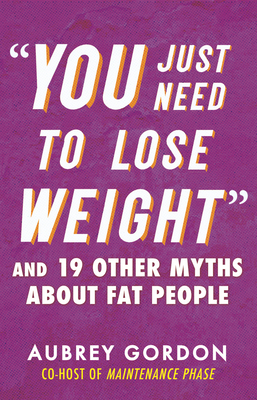
The co-host of the Maintenance Phase podcast and creator of Your Fat Friend equips you with the facts to debunk common anti-fat myths and with tools to take action for fat justice
The pushback that shows up in conversations about fat justice takes exceedingly predicable form. Losing weight is easy—calories in, calories out. Fat people are unhealthy. We’re in the midst of an obesity epidemic. Fat acceptance “glorifies obesity.” The BMI is an objective measure of size and health. Yet, these myths are as readily debunked as they are pervasive.
In “You Just Need to Lose Weight,” Aubrey Gordon equips readers with the facts and figures to reframe myths about fatness in order to dismantle the anti-fat bias ingrained in how we think about and treat fat people. Bringing her dozen years of community organizing and training to bear, Gordon shares the rhetorical approaches she and other organizers employ to not only counter these pernicious myths, but to dismantle the anti-fat bias that so often underpin them.
As conversations about fat acceptance and fat justice continue to grow, “You Just Need to Lose Weight” will be essential to ensure that those conversations are informed, effective, and grounded in both research and history.
Title Details ISBN: 9781922616180 | Murdoch Books Paperback | Embargo 5th January 2023 RRP £14.99
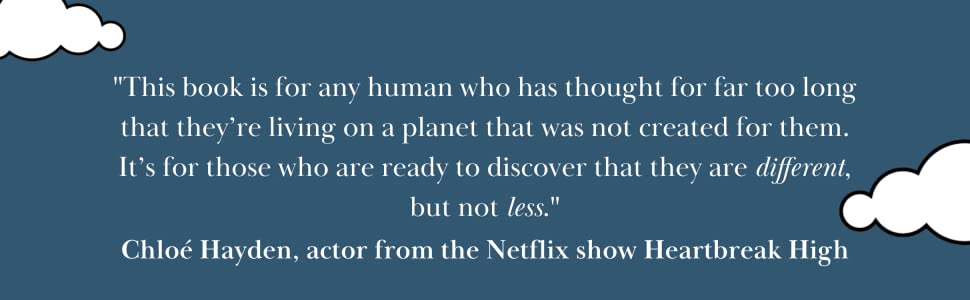
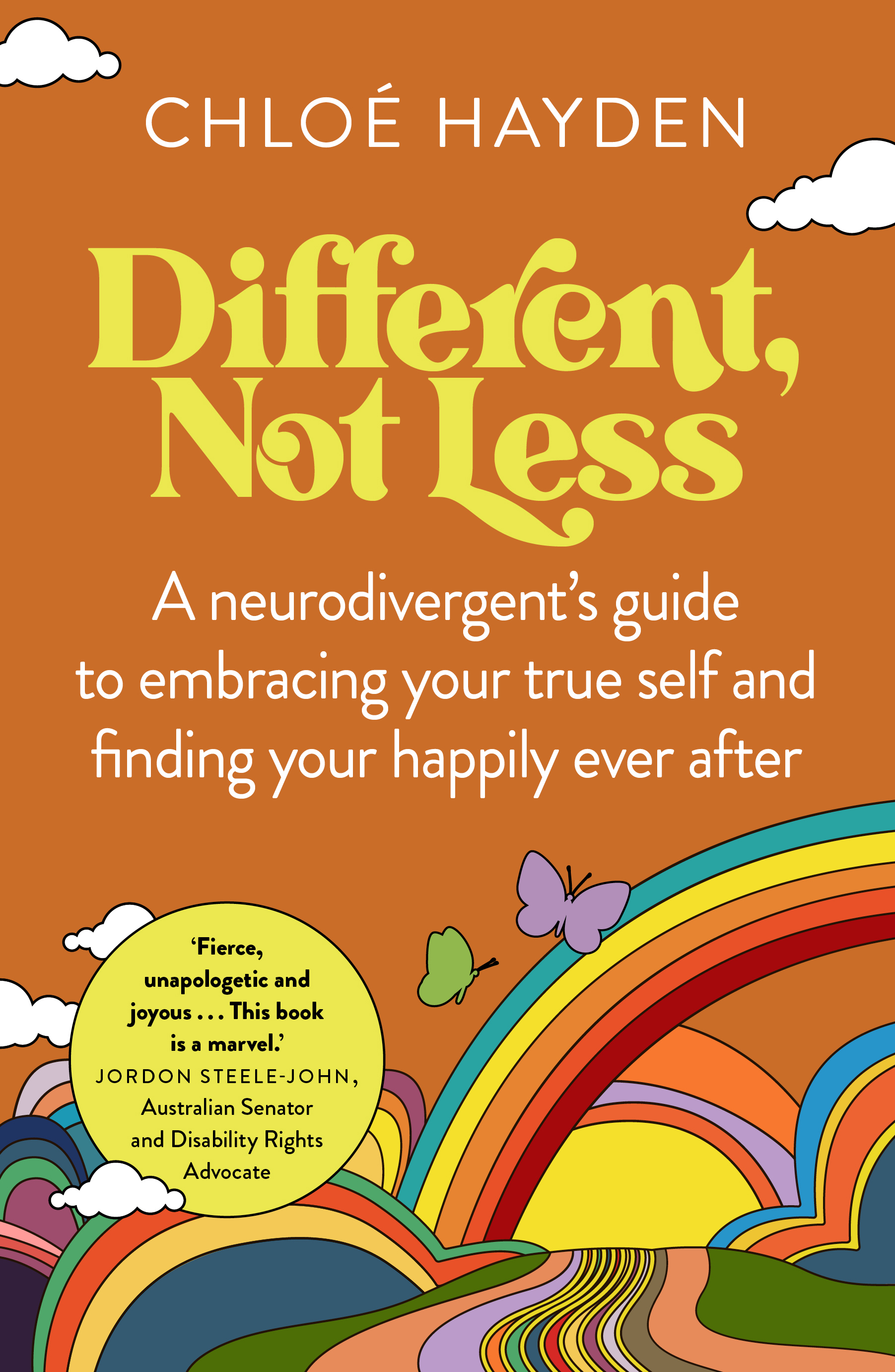
An empowering guide to celebrating and supporting neurodivergence from Netflix’s Heartbreak High star and disability advocate, Chloé Hayden. Growing up, Chloé Hayden felt like she’d crash-landed on an alien planet where nothing made sense. Eye contact? Small talk? And why are you people so touch oriented? None of it made sense.
Chloé desperately wished to be part of the fairy tales she so dearly loved. A world in which the lead is considered a hero because of their differences, rather than excluded and pushed aside for them.
She moved between 10 schools in 8 years, struggling to become a person she believed society would accept. After years of being ‘weird, quirky, Chloé’ she was eventually diagnosed with autism and ADHD. It was only after a life-changing group of allies showed her that different did not mean less that she learned to celebrate her true voice and find her happily ever after.
Different, Not Less is a moving, at times funny story of how it feels to be neurodivergent as well as a practical guide, with insights on how autism and ADHD present differently in females, advice for living with meltdowns and shutdowns, tips for finding supportive relationships, communities and workplaces and much more.
Whether you’re neurodivergent or supporting those who are, Different, Not Less will inspire you to create a more inclusive world where everyone feels like they belong.
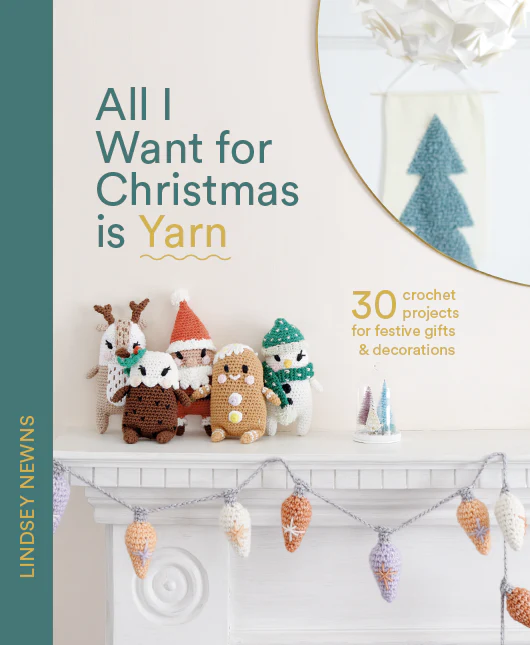
Crochet yourself into the Christmas spirit with these 30 gorgeous patterns for decorations, festive outerwear and personal gifts.
Deck the halls with boughs made of yarn! Just grab your hook and get cracking, and you’ll have Christmas decorations and gifts sorted for many years to come. Patterns include:
• A super chunky wreath • Tasselled baubles • Boho stocking • Reusable crackers • Festive amigurumi • FA LA LA bunting
And many, many more…
My Review
If you order from Lottie & Albert, Lindsey Newns signs the books, but they’re sold out at the moment. If you order from Amazon it’s a couple of quid cheaper. I think my sister got my copy from Amazon.
I got this book for Christmas and sat and read it in an hour or so. There are a couple of projects I recognise. The reindeer amigurumi was November’s Curate Crochet Box. He’s hanging on my Christmas tree right now. Having made one of the projects, I can say that the instructions are easy to follow, with the stitches explained in a clear glossary.
The photography of the finished projects is lovely. It’s a lovely little pattern book and I recommend it for crocheters, even if you’re relatively new to the craft.
Publisher: Orion Publishing Co ISBN: 9781399608688
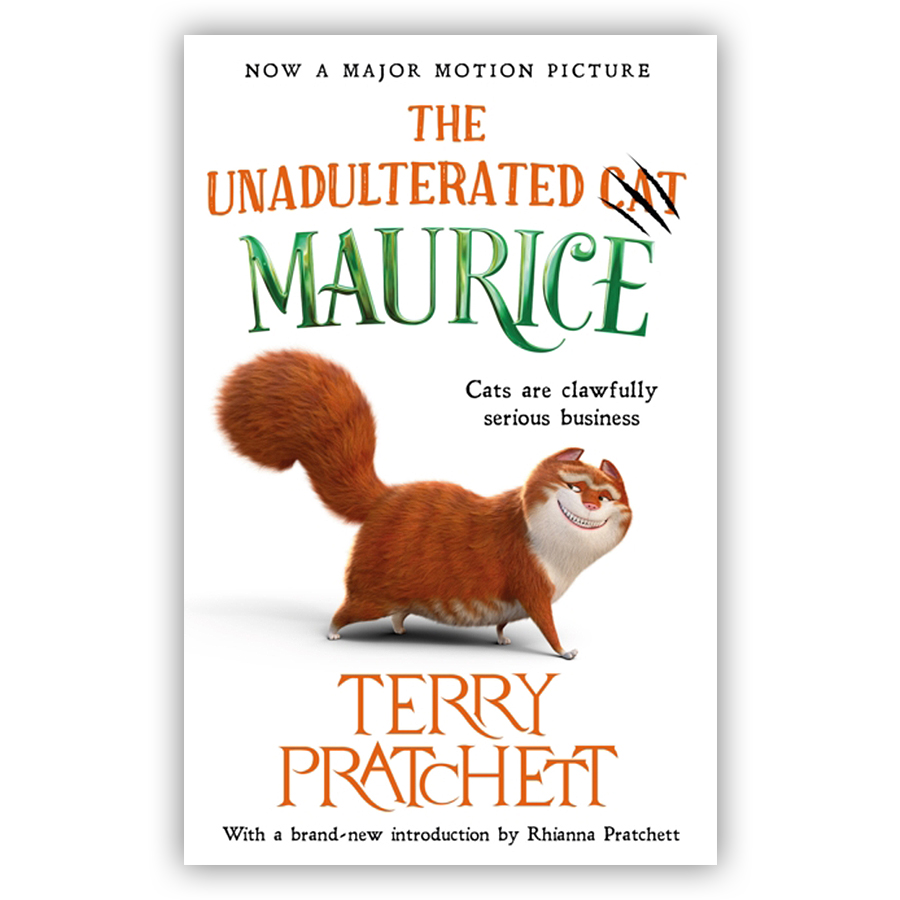
From the cat-fanatical literary phenomenon Sir Terry Pratchett, via the unquestionable wisdom of his fictional feline creation Maurice, herein is contained everything you’ll ever need to know to identify the real, unadulterated cat! Rediscover Sir Terry’s 1989 guide to separating Real Cats from the riff raff – now featuring artwork from the creative minds behind the Amazing Maurice film and a new intro by Rhianna Pratchett!
As more and more of us settle for those boring mass-produced cats the Ad Men and influencers sell us – the filtered felines that purr into their gold-plated food bowls with unruffled fur and without a ‘blep’ in sight – the Campaign for Real Cats sets out to help us to recognise a true, unadulterated cat when we see one!
For example: real cats have ears that look like they’ve been trimmed with pinking shears; real cats never wear flea collars…or appear on Christmas cards… or chase anything with a bell in it; real cats do eat quiche. And giblets. And butter. And anything else left on the table, if they think they can get away with it. Real cats can hear a fridge door opening two rooms away…
Featuring fifty illustrations and artwork from the creative minds behind the Amazing Maurice film, plus introduction by Rhianna Pratchett rediscover Sir Terry’s wit and wisdom from the original edition and re-educate yourself on how to separate Real Cats from the riff raff!
This is not a Discworld book. Terry Pratchett was a cat collector, or he was collected by a lot of cats. He clearly had strong opinions on what made a ‘real cat’ and he’s bloody hilarious doing it. There are anecdotes about Houdini cats who get into and out of locked bungalows, where cats can come from, and the Schrodinger travelling cat hypothesis. That last one does make sense. Where do all the random cats come from?
This edition has illustrations from the new Amazing Maurice animated film, rather than the original illustrations. They’re not bad. I haven’t seen the film or the original illustrations so I can’t make comparisons. I loved Rhianna Pratchett’s introduction, it is full of love for her father and their clowder of cats over the years. Some of the names they had are hilarious.
If you love STPs work, then you might want to pick up this book.
Publisher : Clink Street Publishing (28 July 2022)
Language : English
Paperback : 136 pages
ISBN-10 : 1915229553
ISBN-13 : 978-1915229557
Feel, listen and give yourself permission. Learning how to be guided by your intuition when it comes to eating allows you to fully enjoy food once again.
No more diets and no more guilt. Learn how your taught behaviors have a profound effect on how you eat and feel about your body, and learn how to reprogram these behaviors to healthy and empowering ones.
With over 40 plant-based recipes inside, this book also includes useful daily meditation exercises, mindful prayers and stunning affirmations.
“The reason why I decided to go down the path of Intuitive Eating was because I wanted to change my whole relationship with food. Food, for me anyway, is one of the most enjoyable and natural pleasures on this planet and didn’t want to spend the rest of my life having a bad relationship with such a natural and essential part of life. I wanted to be able to eat foods that I love and enjoy every moment of it, without feeling bad about it afterwards.”
My Review
This was one of the books I promo’d or reviewed for 12 Days of Clink Street. I could have reviewed it during the 12 days, but I was being polite and generally I try not to write negative reviews, but I don’t like grifters and bandwagon jumpers spreading misinformation. Look,
I’ve read more than a few books on this subject and I actually have some basic nutrition education so I know what I’m looking at on the subject of metabolism, intuitive eating and other related areas. I follow qualified dietitians and food scientists on social media and listen to podcasts on the subject. It has been a bit of a special interest for the last couple of years. I have notes on this book. So, my criticisms are not made from a place of ignorance and I’m capable of assessing this book competently. I was actually looking forward to reading this book and trying the recipes.
I knew I was going to have problems with it when I had to dig out my sticky notes. Firstly, I looked up the author, to see if she has any qualifications in nutrition or dietetics.
She doesn’t.
She’s an Instagram influencer from what I can tell. She posts pretty pictures of a curated life. She’s read some dodgy books from food nutrition grifters, for instance How Not To Die, by Dr Michael Greger, and thinks she’s an expert. That book in particular is mentioned by name and has been criticised for cherry picked data and misrepresenting the research. She tries to use that old saw – ‘Let food be thy medicine’ – although she garbles it. As Dr Joshua Woolrich tells us food isn’t medicine! Food can be a useful adjunct to good health, but if you can’t access fresh food, or food at all, you can’t use it as medicine. She also claims that illnesses and diseases are caused by what we put in our bodies if they aren’t genetic. Sounds ablist and classist to me.
There is no introduction to intuitive eating or any background about the concept. Nowhere does the author present her qualifications to provide dietary advice. Bartoli uses the ‘anecdotal evidence – it worked for me, it’ll work for you’ approach, and hints that intuitive eating will help lose weight. Looking at her Instagram in my search for any information about the author, I discovered she’s in a socially acceptable and highly privileged body. If she has any disordered eating tendencies – and her comments in the book suggest she does (clean eating, juice cleanses, and other fad diets) but reframes it as ‘overthinking’ about food – it isn’t because she’s ever been fat, but because she’s afraid to be fat, despite her privileged body.
Other notes from my reading:
page 15 – Food chains – not how food chains work – no ‘top’ links – and we’re prey to most predators, we’re just intelligent enough to hunt them out or push them out. People still get killed by tigers, and in the middle ages pigs were regularly up before the magistrates for murder
Page 16 – Weight is largely determined by genetics and environment , and ‘self-control’ is a way to beat fat people for being fat.
Page 17 – not ‘overindulge’ – restrict and binge cycle – feeding your body what it needs.
Page 17 – If you skipped breakfast and you’re hungry and busy, you probably do need a bigger dinner. It’s not making excuses.
Page 19 – food wasn’t ‘put here by Mother Nature’; we are animals, we eat food, like everything else, and we modify the beings we eat to provide us with more nutrients and calories,
Page 20 – misunderstands calories and how the metabolism works. Doesn’t understand that humans aren’t a closed system so weight change isn’t as simple as ‘calories in – calories out’.
Page 22 – Finally makes some good points about diet culture
Page 25 – At last, some explanation!
Page 26 – Misquotes the ‘dose is the poison’ and misspells Cadbury’s. There are a few editing mistakes in the book.
Page 28 – Weight loss is not guaranteed! And the author seems to suggest it is.
Page 38 – another appeal to nature. All food is processed to make it more edible.
Page 38 – Can’t seem to find the word ‘hormone’.
Page 41 – Suggests meditation is essential to intuitive eating. It isn’t. Meditation is a useful tool that can help you become more aware of your body. However, the author assumes their experience is universal. It isn’t.
Page 46 – This is a standard ‘breathing space’ meditation
Page 60 – Oh my gods! No! Humans are not anatomically herbivorous, we’re omnivorous, as are our closest relatives the bonobos and chimpanzees. We can’t digest cellulose, and we aren’t adapted for for an all plant diet. If you want to be vegetarian or vegan, or even just ‘plant based’, go for it, but don’t tell people lies.
Page 61 – There is limited evidence for higher nutrient density in organic food. It’s expensive and out of reach for many people. It isn’t sustainable, needing much more land for the same amount of food, and still uses pesticides!
Page 68 – standard body scan meditation.
On to the recipe section.
The recipes scream privilege.
In general, the recipes rely on nut butters, nut milks and nutritional yeasts, and a heavy reliance on ingredients that are expensive and out of reach of many people. Chia seeds, coconut milk, almond butter, that sort of thing. Almonds are incredibly unsustainable to grow. I wouldn’t know where to get hazelnut butter, although I do know where to get chocolate hazelnut spread. I’ve heard of nutritional yeast (from a vegan friend), but again, I wouldn’t know where to get it. What is ‘coconut sugar’?
The recipes cover breakfast, dinners and desserts, sauces and pestos. They do seem a bit faffy though, and I can’t imagine most would be practical for feeding a family or if you’re busy. They are simply out of reach for the majority in terms of ingredients and preparation time.
I’m going to try the pesto recipes; I enjoy pasta in pesto with salmon and a rocket salad. Bit of spinach in there for some iron, and cherry tomatoes to help with the adsorption of plant iron. That’s a relatively balanced meal too. healthy fats from the pesto, carbs from the pasta, and protein from the salmon. Micronutrients from the salad and pesto.
The food photographer has done a marvellous job. They’re well presented and minimalist, even quite artistic. Probably the best part of this book.
Conclusion:
If you want to know about intuitive eating read Intuitive Eating by Evelyn Tribole MS, RDN, CEDRD-S, who first formulated the concept and is a qualified and registered dietician.
If you want faffy vegan recipes, go ahead and spend £16 for the hardback or £14 for the paperback from Amazon. There are other vegan recipe books available. I have a really good vegetarian slow cooker recipe book, for instance. The BOSH! books by Henry Firth and Ian Theasby are supposed to be good. It’s only £8 too.
The pictures and illustrations are pretty and I like the minimalist style, although they are a bit obvious – curvy, skinny, naked women with strategically placed flowers etc.
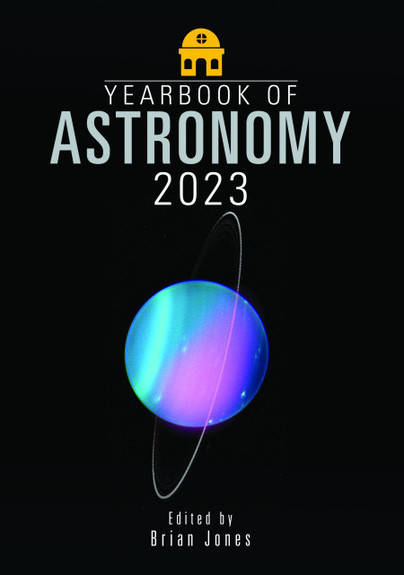
Maintaining its appealing style and presentation, the Yearbook of Astronomy 2023 contains comprehensive jargon-free monthly sky notes and an authoritative set of sky charts to enable backyard astronomers and sky gazers everywhere to plan their viewing of the year’s eclipses, comets, meteor showers and minor planets as well as detailing the phases of the Moon and visibility and locations of the planets throughout the year. To supplement all this is a variety of entertaining and informative articles, a feature for which the Yearbook of Astronomy is known. Presenting the reader with information on a wide range of topics, the articles for the 2023 edition include, among others, The Incomparable Sir Patrick Moore; Shining a Light on Jupiter’s Atmosphere; A Brief History of the End of the Universe; The Closing of Historic Observatories; The Ability to Believe: Bizarre Worlds of Astronomical Antireality; Optical SETI at Harvard; The Future of Spaceflight; and Male Family Mentors for Women in Astronomy: Caroline and William Herschel.
This iconic publication made its first appearance way back in 1962, shortly after the dawning of the Space Age. Now into its seventh decade of production, the Yearbook continues to be essential reading for anyone lured and fascinated by the magic of astronomy and who has a desire to extend their knowledge of the Universe and the wonders it plays host to. The Yearbook of Astronomy is indeed an inspiration to amateur and professional astronomers alike, and warrants a place on the bookshelf of all stargazers and watchers of the Universe.
My Review
This book is a comprehensive yearbook covering the skies of both northern and southern hemispheres, with monthly notes and a wide selection of articles. It’s a slickly produced, full-colour, yearbook that will appeal to astronomy enthusiasts.
I found it fascinating, although my knowledge of astronomy is not as extensive as I would like it to be. I think I have learnt something from reading this book.
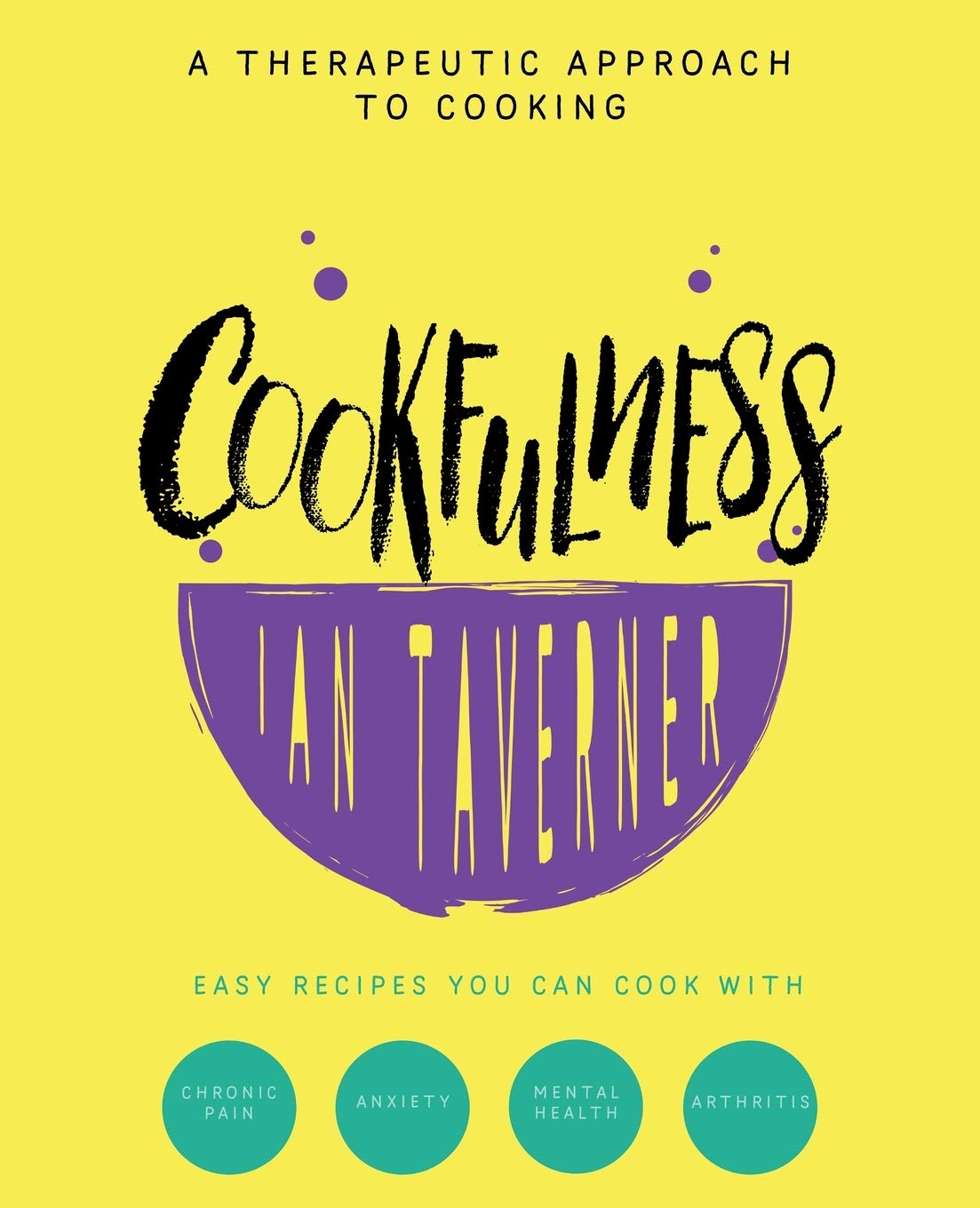
This cookbook is crammed full of new and innovative ways, hints and tips, designed specifically for people with chronic pain and mental health conditions, by me, a fellow sufferer.
It is all to help you WANT to cook, not have to!
Cooking really can be a therapy. Cooking really can ignite your passions. Cooking really is possible!
If you are having a bad day, I want to make it better. If you are having a better day, I want to make it good. If you are having a good day, I want to make it great. If you are having a great day, good on you!




 Everything Is Better With Dragons