Book blogger, Autistic, Probably a Dragon
Description
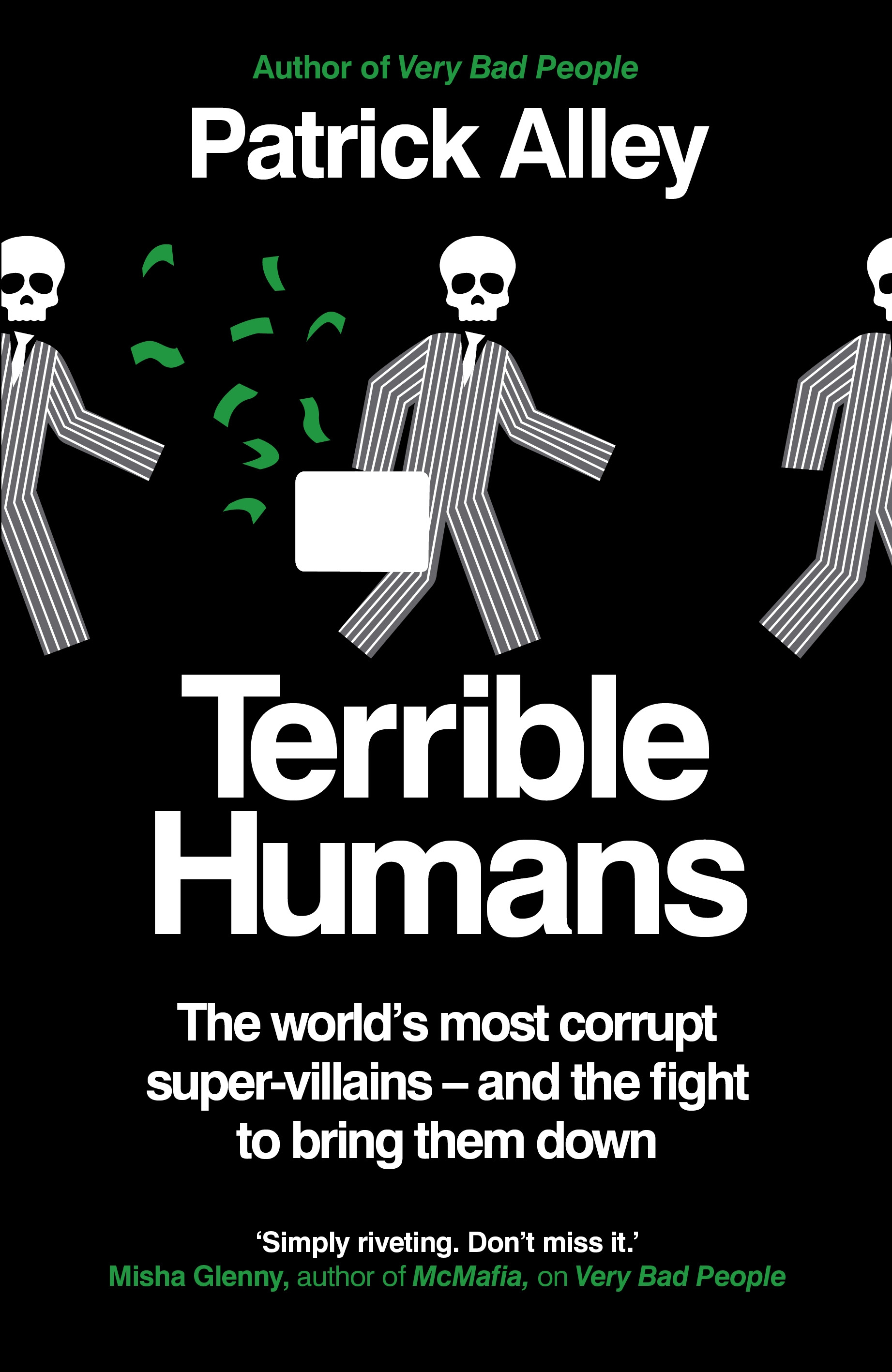
A small number of people, motivated by an insatiable greed for power and wealth, and backed by a pinstripe army of enablers (and sometimes real armies too), have driven the world to the brink of destruction. They are the super-villains of corruption and war, some with a power greater than nation state and the capacity to derail the world order. Propping
up their opulent lifestyles is a mess of crime, violence and deception on a monumental scale. But there is a fightback: small but fearless groups of brilliant undercover sleuths closing in on them, one step at a time.
In Terrible Humans, Patrick Alley, co-founder of Global Witness and the author of Very Bad People, introduces us to some of the world’s worst warlords, grifters and kleptocrats who can be found everywhere from presidential palaces to the board rooms of some of the world’s best known companies. Pitted against them, the book also follows the people
unravelling the deals, tracking the money and going undercover at great risk. From the oligarch charged with ordering the killing of an investigative journalist to the mercenary army seizing the natural resources of an entire African country, this is a whirlwind tour of the dark underbelly of the world’s super powerful and wickedly wealthy, and the daring investigators dragging them into the light.


Description
Kill the dragon. Find the blade. Reclaim her honour.
It’s that, or end up like countless knights before her, as a puddle of gore and molten armor.
Maddileh is a knight. There aren’t many women in her line of work, and it often feels like the sneering and contempt from her peers is harder to stomach than the actual dragon slaying. But she’s a knight, and made of sterner stuff.
A minor infraction forces her to redeem her honor in the most dramatic way possible, she must retrieve the fabled Fireborne Blade from its keeper, legendary dragon the White Lady, or die trying. If history tells us anything, it’s that “die trying” is where to wager your coin.
Maddileh’s tale contains a rich history of dragons, ill-fated knights, scheming squires, and sapphic love, with deceptions and double-crosses that will keep you guessing right up to its dramatic conclusion. Ultimately, The Fireborne Blade is about the roles we refuse to accept, and of the place we make for ourselves in the world.
My Review
Bond builds a world in very few words, with dragons that possess unique abilities and melt on death. It’s a traditional knights killing dragons story with a few twists and horror elements.
The characters come to life in a few words and the twist is unexpected. The ending is quite dramatic and leads into the next novella. The use of extracts from archives of other dragon slaying and magical adventures flesh out the world with extra details, so that the reader discovers the social structure of the world and Maddileh’s place in it. Through her interactions with mages we understand the internal conflicts of both Maddileh herself and the magical order.
There are hints of a wider world and the future that suggests more novellas will follow and I look forward to reading them.

Bit of back story. A group of authors in Northern England and Scotland got sick of all the literary events being in London and decided to organise their own it Leeds. They arranged it with Waterstones and called the event ‘It’s Strange Up North’. 18 authors agreed to attend and the notifications went out.
I happen to be on the British Fantasy Society discord and heard about it, since one of the organisers was in the Yorkshire & Humber channel on the BFS Discord. I bought my ticket ASAP and waited. I had planned to go to Leeds for the entire weekend, but hotels are ridiculously expensive. It is my birthday weekend, or at least it’s the weekend closest to my birthday, so theoretically I could have had a whole weekend away but the cat didn’t agree.
Yesterday, I travelled to Leeds by train, went to Hold Fast Books after a ride on the water taxi, then meandered around the Armouries shop, and bought a dragon, got another water taxi back to the Granary Dock and made my way through the station and up Albion Street, stopping in for a pizza and pavlova at The New Conservatory in Albion Place, before heading just a bit further up Albion Street, to Waterstones.
It was packed! They sold out the event! It was catered. Or more precisely, the organisers had gone out and bought party food and told everyone to eat up because they didn’t want it to go to waste. I struggled, honestly. I wasn’t too fussed by the food, and there were too many people corralled into too small an area until the shop shut at 6.30pm. Once it shut, we spread out and took over all three floors.
I met Laura Lam, author of Dragonfall, Goldilocks, and several other books. I bought the paperback of Dragonfall and Laura signed it for me. We had a chat about random things, like epidermoid cysts, and the publishing industry.
I met Sunyi Dean, and her dog. She signed a paperback copy of The Bookeaters for me.
I met Stephan Aryan and got an early copy of The Blood Dimmed Tide. He signed it for me. Stephan Aryan is very tall. I got the first book in this duology, The Judas Blossom, last year at FantasyCon, and he signed that one there. I’m actually going to read both of them at some point.
I bought a copy of The Bone Ships, by R.J. Barker. He was supposed to be there but couldn’t, so sent signed book plates.
I met Charlotte Bond and got a copy of her debut novella, The Fireborne Blade. She was handing out sweets and bookmarks, so I’m not complaining. I read the book on my way home last night and a review will follow shortly.
I met Sarah Brooks, who signed a copy of The Cautions Traveller’s Guide to the Wastelands, her debut. It isn’t supposed to be out yet.
I picked up a copy of Ascension from Nicholas Binge. I think it’s the only sci-fi I bought.
And finally, Snowblooded, by Emma Sterner-Radley, a fantasy set in 19th century Sweden.
I have book marks for some of them, and in the goody bag I received an ARC of We Are All Ghosts In The Forest, by Lorraine Wilson and a pin badge for Snowblooded.
There are pictures on my Instagram.
P.S. Did you know the Royal Armouries shop has dragons!?
I bought a Suki brand dragon called Thunder. He is cute and has joined the dragons of my dragon shelf.

SYNOPSIS
It’s been ten years since the events of Until Summer Comes Around. Lucky to be alive, Rocky roams his beachside hometown, waiting for life to start again.
November Riley has never been far from the boy that stole her heart. She watches from the shadows, knowing she can never make things right between them, but just hoping they could try one
more time…
A new documentary is bringing Gabriel Riley, the Beach Night Killer, back to national consciousness.
The dead serial killer has a trio of new fans that are ready to make Old Beach their home for the end of the summer season. When the new strangers in town discover Rocky’s relationship to the past of one of their own, he becomes their number one target. Can November protect him, or will these other vampires prove too strong?
When the night falls, blood will spill, and death will reign.
And we’re back!

When a mysterious tower appears in the skies over England, thirteen strangers are pulled from their lives to stand before it as a countdown begins. Above the doorway is one word: ASCEND.
As a grieving teacher, a reclusive artist, and a narcissistic celebrity children’s author lead the others in trying to understand why they’ve been chosen and what the tower is, it soon becomes clear the only way out of this for everyone… is up.
And so begins a race to the top, through sinking ships, haunted houses and other waking nightmares, as the group fights to hold onto its humanity, while the twisted horror of why they’re here grows ever more apparent – and death stalks their every move.
THE WAY UP IS DEATH will be published on the 28th January 2025, in Paperback and eBook.
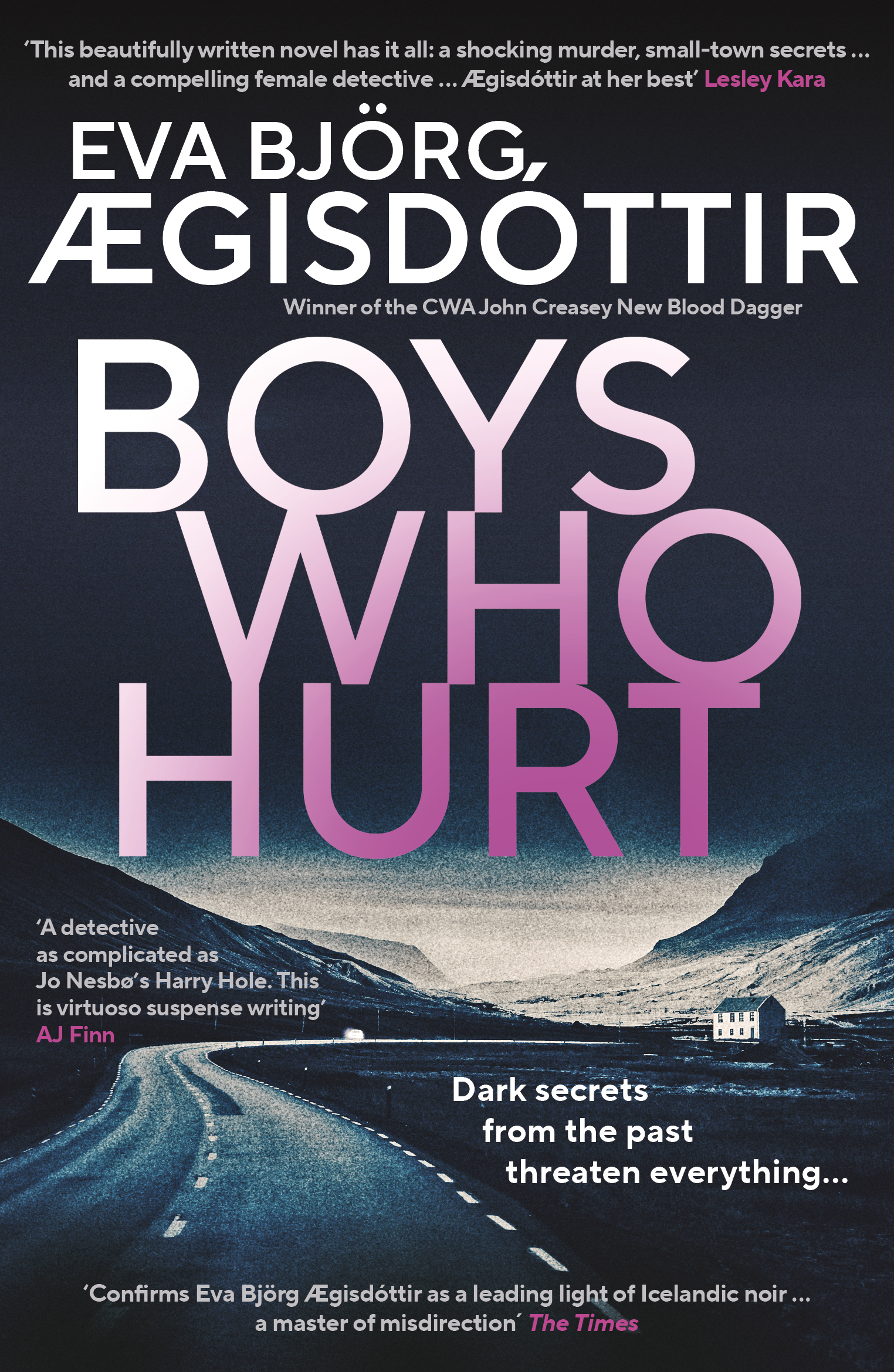
Dark secrets from the past threaten everything …
Fresh from maternity leave, Detective Elma finds herself confronted with a complex case, when a man is found murdered in a holiday cottage in the depths of the Icelandic countryside – the victim of a frenzied knife attack, with a shocking message scrawled on the wall above him.
At home with their baby daughter, Sævar is finding it hard to let go of work, until a chance discovery in a discarded box provides him with a distraction. Could the diary of a young boy, detailing the events of a long-ago summer have a bearing on Elma’s case?
Once again, the team at West Iceland CID has to contend with local secrets in the small town of Akranes, where someone has a vested interest in preventing the truth from coming to light.
And Sævar has secrets of his own that threaten to destroy his and Elma’s newfound happiness.
Continue reading “Review: Boys Who Hurt, by Eva Björg Ægisdóttir, Translated by Victoria Cribb”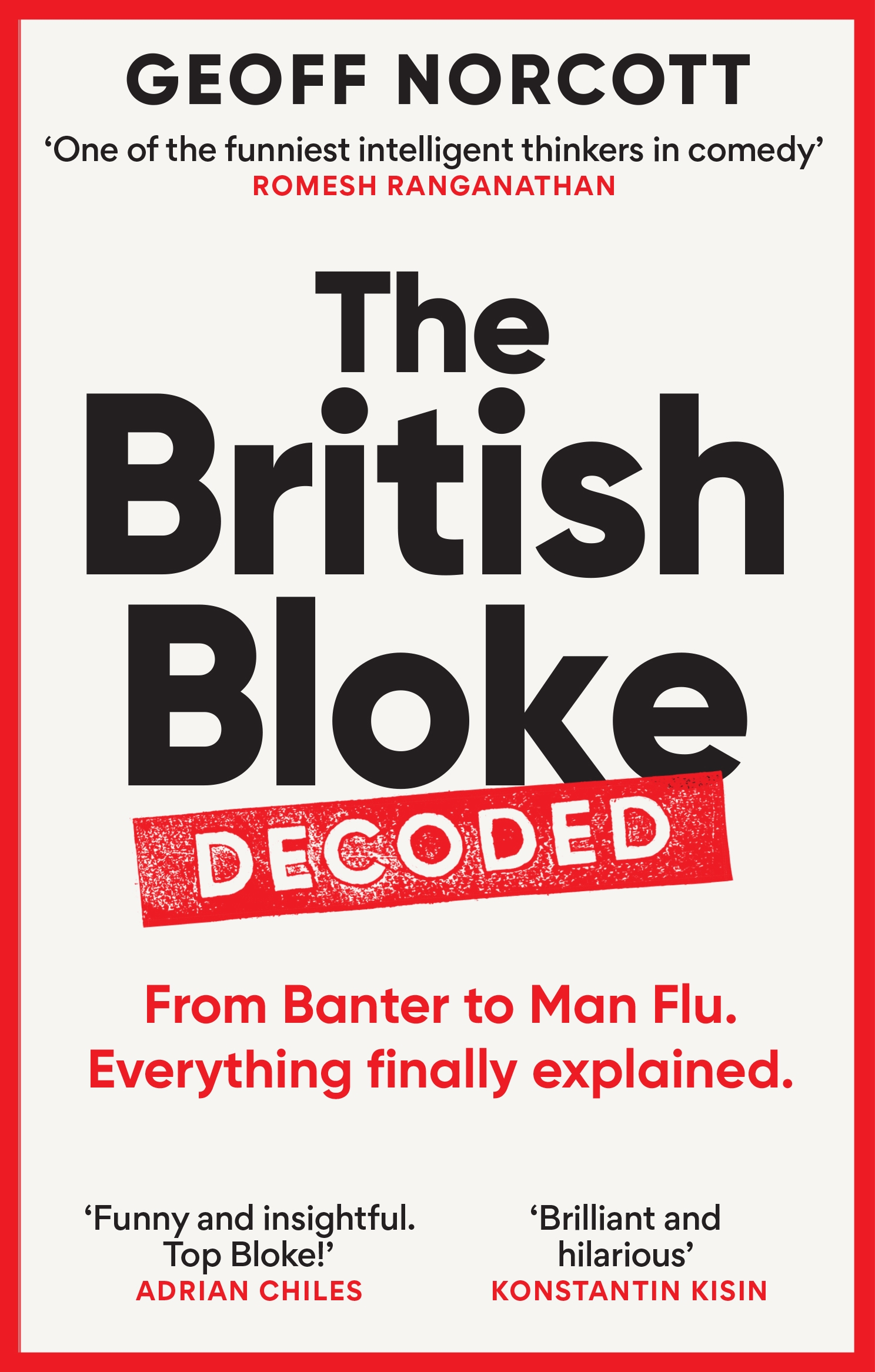
Description
If you see a man drinking a pint in an airport pub alone, that’s a bloke.
If you see a man driving to the tip on a Saturday morning with a smile on his face, that’s a bloke.
And if you see a man heading back from the tip and on the way to the pub,
that’s a very happy bloke.
The British Bloke appears simple and straightforward. He loves football, cricket, beer and sheds. But beneath that simple exterior lies a mysterious and complex being…
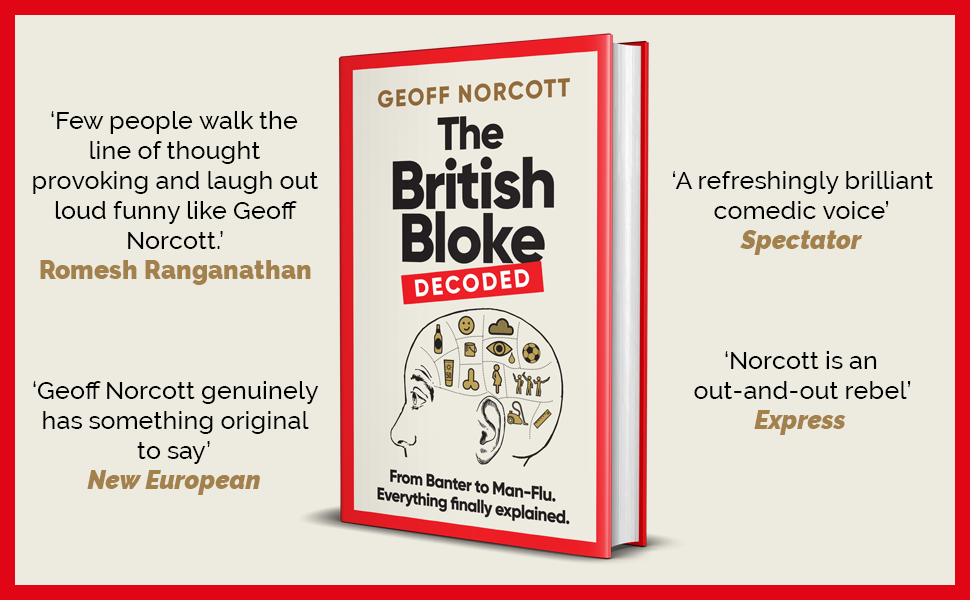
In The British Bloke Decoded, writer, comedian and regular bloke, Geoff Norcott, peels back the layers of blokedom, revealing the truth behind the behaviour of Britain’s husbands, dads, brothers and friends. He dives into the value of banter, the roots of mansplaining, the near impossibility of getting blokes to send birthday cards, and whether there could be a medal system for vacuuming.
Based on 46 years of intensive field research and semi-scientific insights, this book is a celebration of the simple British bloke in all his splendour.


 Everything Is Better With Dragons