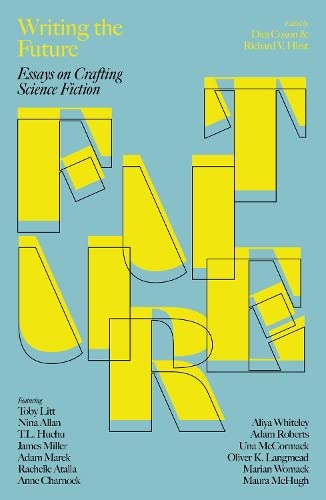
Format: 265 pages, Paperback Published: September 7, 2023 by Dead Ink ISBN: 9781915368027
Description
WINNER OF BRITISH FANTASY AWARD FOR BEST IN NON-FICTION 2024
For as long as humans have existed, they have asked: What if?
Science fiction was a defining genre of the postwar era, and its current boom across books, film and TV shows no sign of slowing. Space ships, time travel, aliens and artificial intelligence continue to obsess us, and dreams of the apocalypse haunt our own post-pandemic age. But what is it that compels writers to imagine the future?
Writing the Future gathers some of the best contemporary writers of science fiction, speculative fiction, dystopia and eco-fiction to explain their craft and explore the many worlds upon which our imaginations might land. Authors such as Toby Litt, Nina Allan, Adam Roberts and Una McCormack reveal how to balance scientific research with creative freedom, examine the different forms the written text might evolve into, and offer practical advice on giving life to your own vision of the future.
Whether you’re a reader, a seasoned writer looking to hone your skills, or a beginner who’s just starting out, Writing the Future provides valuable insights into the craft of imagining the worlds of tomorrow.
Featuring contributions from –
Nina Allan Rachelle Atalla Anne Charnock Tendai Huchu Oliver Langmead Toby Litt Adam Marek Una McCormack Maura McHugh James Miller Adam Roberts Aliya Whiteley Marian Womack
According to GoodReads I started reading this one in late July 2025 and I finished it yesterday. One year, one month. Nothing to do with the book, I’ve had a busy year, what with becoming a Director of an Arts CIC, having my Brighton adventure, doing work for exhibitions, giving up my salaried job to do self-employed work, and getting evicted. I’ve got another exhibition later this month and I’m no where near finished. Oh, and my cat has discovered windows that open (new bungalow has windows that aren’t just top opening windows); she’s using them like cat doors. I’m writing this while she is climbing out of my office window and walking along the outside window ledge.
And now she’s in the front garden.
Sorry, you didn’t come here to read about Phoenix’s explorations of our new environment. I got distracted.
Back to the book.
This is a fascinating collection of essays on a range of subjects related to writing science fiction. It gets a bit philosophical at times, which was fun, for a given value of fun. I found it stretched my thinking in helpful ways. I enjoyed the spotlight chapters about different authors, especially J.G. Ballard. I thought I’d read something by him, but looking at a list of Ballard’s work, I haven’t. Might have to remedy that.
Aliya Whiteley’s chapter on research and knowing when to stop procrastinating and start writing was helpful for me personally, because I will world build and research for years before actually writing the story (see my current WIP for example) and the image of a time travelling dog using black holes was just ‘brain-sparkle’ making.
I’m pretty certain science fiction writers of all stripes (I tend to mix my science fiction with fantasy – shape shifting alien space dragons, anyone?) will find something useful in this collection.
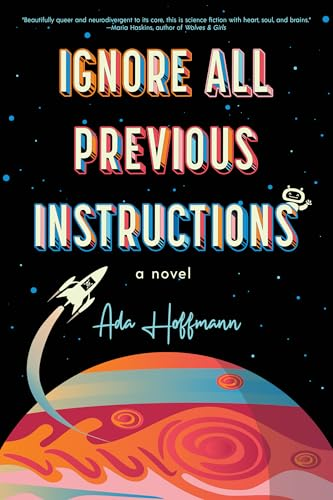
Format: 320 pages, Paperback Published: May 12, 2026 by Tachyon Publications ISBN: 9781616964566 (ISBN10: 1616964561)
Book Description
A script supervisor for an AI media conglomerate is caught between her intense need for an orderly life and her deeper, darker queer desires. From the creator of the Outside trilogy, a heartfelt interplanetary epic of identity, longing, and a space pirate who smuggles inappropriate stories.
Kelli Reynolds loves creating stories more than anything in the world. But on Callisto, a generative AI company called Inspiration owns everything, including all the media, and only Inspiration determines which stories can be told.
Kelli has a rare and coveted job in which her autism is to her advantage: She precisely edits AI output into “appropriate” stories for Inspiration’s massive TV audience. Her proudest creation is the pirate Orlando—a dashing do-gooder based on stories she used to tell friends.
Reenter Kelli’s ex-boyfriend Rowan, the person Kelli based Orlando on. Back when they were teenagers, their relationship was a secret. Kelli had thought that Rowan, a trans man, was her schoolmate Em, a girl.
Rowan is tangled up in the black market after he needed to get money for gender reassignment surgery. He needs Kelli’s help with something . . . illegal. So, now Kelli has to decide: Will she risk the safe, tidy story of her life now for the world she once wished for? What would Orlando do?
Passionate, dangerous, and tender, Ignore All Previous Instructions is a sweeping, poignant novel about censorship, forbidden love, and growing up.
My Review
I’ve known about this book for a while, because I get Ada Hoffmann’s newsletter. I got a NetGalley copy in April when I made myself go back to NetGalley, but I was struggling with the ebook version. Then my pre-ordered copy arrived on Thursday, and I started reading it yesterday. I have finished it after spending all day reading, non-stop, other than to get food. Totally immersed!
Kelli is autistic, and not the easy to empathise with cute child who is scared and shy type, but the screaming meltdowns, biting, punching type. I recognise her in me. When it all gets too painful and you can’t push the feelings down anymore, then it just explodes. Also, if you or your child are having screaming meltdowns, that’s a sign of some severely unmet needs. Instead of beating yourself or your child up for it (literally or figuratively), work out what that unmet need is AND MEET IT.
You can also be both the screaming meltdowns and the shy, scared type of Autistic, we’re complex like that.
Because we’re human.
Rowan is obviously ADHD, and as a child is misunderstood and bullied by teachers even if the kids all like him. Yeah, that sounds familiar too. Rowan’s need to transition and his need for stimulation lead him into a life that might be considered criminal. He smuggles illegal media to people in the Jovian system – that’s any media made by anyone not Inspiration.
Inspiration is the mega-corp that controls everything on Callisto. Its LLM is in everything and nobody can escape it. Human creativity is cut and controlled by models that decide on the appropriate content that will keep people happy. It’s a way to turn people into mindless robots while telling them that the company is generous and loving.
Kelli has tried not following the rules and it caused a lot of pain. Kelli tried to follow the rules and was successful – one of the 10% who had an actual job on Callisto, and one she finds fulfilling. She is a script supervisor for Inspiration, going through the outlines and scripts the genAI produces for a series featuring a character Kelli has developed since she was 8. But she can’t own the work or have her name on it, because that would be ‘stealing’ from Inspiration.
After a terrible event when they were 14, Rowan and Kelli don’t speak to each other for ten years. Rowan returns, having transitioned (in a world where transition is illegal and no one talks about Queerness lest it should ‘infect’ children) and asks for a favour. Would Kelli join him on a trip to Io to meet someone who really loves the series she’s written?
Reluctantly, Kelli agrees, and takes a few precautions, because Rowan is ‘bad’ and doesn’t follow the rules. It can’t just be talking to someone. She finds things are very much not the way Rowan said they were. For a start, the person they are meeting is the daughter of a crime boss and they want her to steal from Inspiration for the girl’s sixteenth birthday.
What follows is a heist that goes remarkably well, they get what they need and no-one gets hurt.
It all goes to hell when they get back to Io, and Inspiration’s law enforcement team arrive just at the critical moment. There is violence, explosions, a mad dash to the ship. It’s all very exciting. The emotional resolution is slow to come for Kelli but she finally works things out, just a little bit, enough to realise she wants to be with Rowan again, even if it means she loses her life on Callisto.
Their story as children is told in flashback chapters where we discover that Inspiration prevents children from learning that humans come in more than two binary heterosexual varieties, and children who look for information are prevented from learning anything. Trans people ‘don’t exist’ in this world, and what two adults do in private is no one’s business, but ‘we don’t want that in public’, so lesbian and gay people are shunned and bullied, seen as an inherant threat to children. Does that sound familiar?
Some people are so certain of their righteousness they don’t care who dies so long as they can have their exclusively cis het world. When Kelli and Rowan’s friend Elaine dies by suicide at the age of 14, Kelli decides to squash her queerness down, lock it in a box, and follow the rules. Rowan decides that he’s getting out as soon as possible. He’s already started sharing ‘illegal’ media among their tiny three person queer community, and finding ways to hack or us injection prompts to bypass controls on the computers and internet (what there is of it on Callisto) in order to jail break them, so it’s just a matter of scaling up, taking media to other frightened, isolated LGBTQIA+ people across the system, and helping to form a community.
Kelli is a realistic autistic character, Rowan is realistic as an ADHDer, while their friend Elaine has some clear mental health issues that the therapy bot is not helping. Therapy bots do not help, just like robots can’t help Autistic kids with social skills. Sorry, but trying to make us neurotypical as cheaply as possible won’t work. People with mental health problems need actual therapy and neurodivergent kids need to have their needs and learning styles respected. Just fucking do that.
These are two major parts of the narrative – neurodivergence and queerness. These are important to the author – they are autistic and genderfluid – and can speak with authority from experience of growing up in a system than pathologises both. This book benefits from that knowledge and experience; in providing realistic characters and experiences that the reader can relate to, Ada Hoffmann does what Rowan tries to do in the novel – give people stories about people like them. We all need to see ourselves in stories, being ourselves honestly and openly, finding hope and community in the stories, with other readers, and in the real world.
Reading the Afterward, I found a lot of common ground with the author, and appreciated the citations for their positions. I also understand the use of stories and using fiction to help interpret the world. I am not joking when I say I learnt to be human by reading books. Made for a strange combination at times, since I’ve liked fantasy since I was 12, but also read classics like Pride and Prejudice. Unlike me, Ada Hoffmann did something with their love of storytelling and makes a bit of a living from it.
Ada Hoffmann, under their legal name, is a PhD adjunct professor at a Canadian university, who works in computer sciences. They did their PhD in ‘creative computing’ – how can computers be used in creative work, what does it mean to sat a computer programme has been creative, that sort of thing. They thought LLMs would be used by creatives playing around and generating starting points. In the last few years, they have changed their approach, and done research into how the proliferation of LLMs/genAI has affected creatives – the damage it has done to writers and artists who live precariously as it is, including having their work stolen to train the LLMs.
LLMs are just scaled up predictive text, working from statistical analysis of what the next word in a sentence could be; they do not create, nothing they produce is original, and it amplifies any biases already present in the material it scrapes for training. The ‘artwork’ it creates is derivative and frankly bloody crap in most cases, it can’t do hands or faces, and videos are obviously faked – look for juddering on moving faces.
Basically, Ada Hoffmann is something of an expert in all the things this book is about. And they know how to write a good story. What’s not to like?
I really enjoyed the realistic space craft and space flight. The idea of sitting on top of an explosive in order to get out of a planet or moon’s gravity well does not appeal, as much as I’d love to travel the stars and see what’s out there. There’s also a discussion of how long it would take to get from Jupiter to Saturn, putting these things in perspective.
The colonies are described in enough detail to give each one its own character, and they also seem to be sensible renderings of what a colony on Callisto or Ganymede would mean.
Don’t go to Io.
It’s too volcanic for a colony.
Everyone will die.
This story was gripping, I raced through it, and I needed to know what was going to happen next. The emotional arcs were realistic and the ending satisfying. Highly recommended.
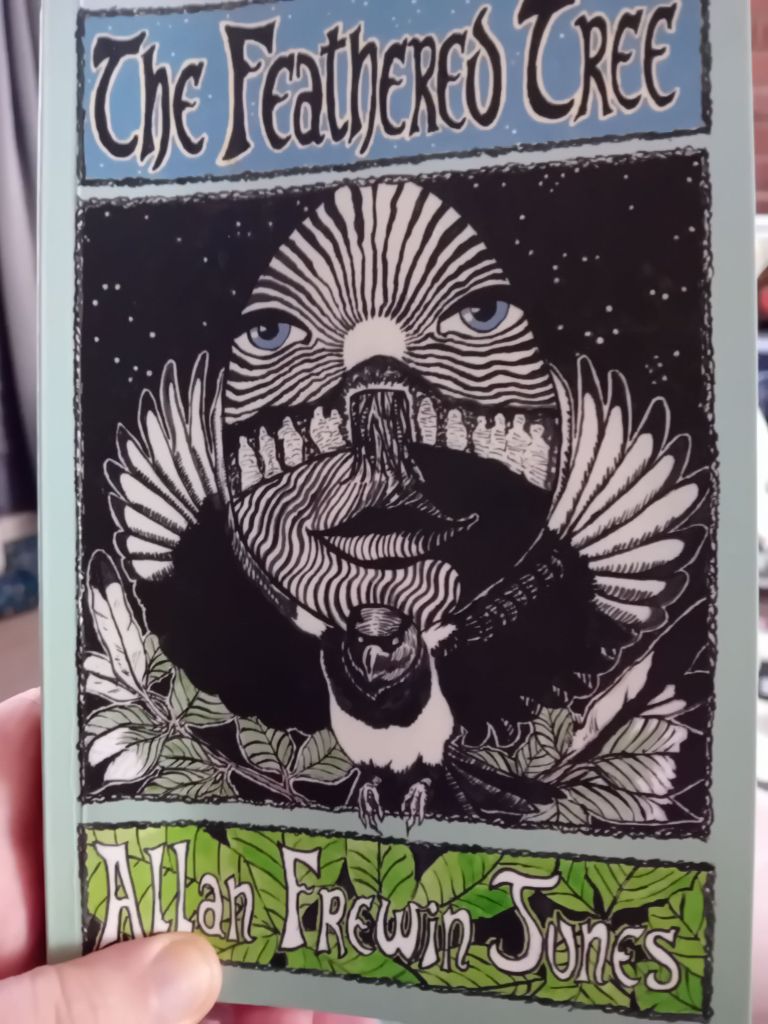
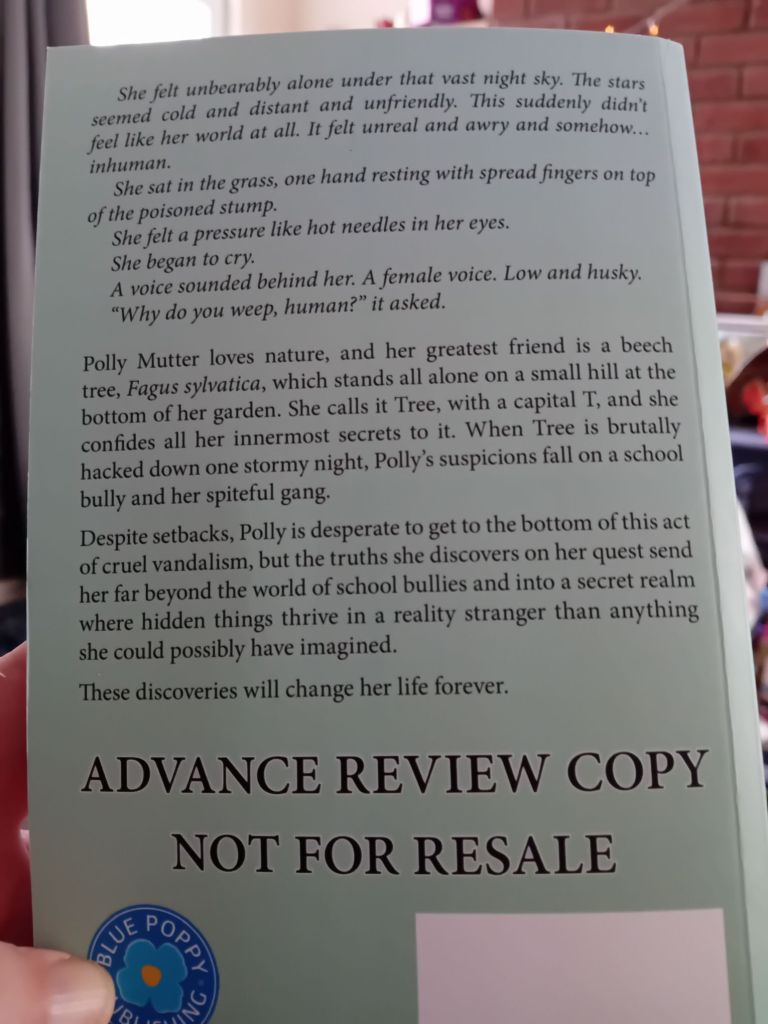
The publisher sent me this ARC a couple of months ago and it was on my list for June, but I’ve got a gap and I thought I’d read it now. It came with a lovely letter, a magpie feather and some beech seeds.
I made a post on Instagram last week when I had read the first 23 chapters. Here’s my summary from there:
The MC is 16 but acts younger in some ways. Immediately got Au vibes, from her and her new friend, Quinn. Tree and corvid special interests.
The writing is probably more what I’d have read at 12 rather than 16. It actually reminds me of the tone and comprehension level of the first two Song of the Lioness books but obviously not set in a secondary world or with knights and battles.
The supernatural element of the dryad and setting in the west country feels familiar but also unfamiliar, a weird, uncannyness. Could be real, could be a traumatised teenager on her summer hols daydreaming, if you see what I mean.
Easy to read, short chapters.
Bullying element is sensitively handled, and an experience I recognise. Just because they aren’t beating you up doesn’t mean they aren’t bullies. Teenage girls are absolute bitches at times and their boy ‘friends’ are nasty little cowards hoping to touch a boob if they are just unpleasant enough. Touched a nerve, sorry.
Now, having finished the book, I have more to add:
The way Polly and Quinn share their joy in their interests is really sweet, they really want to know each other and their interests, and the description is an amazing description of two autistic people sharing their special interests and being intoxicated with it and each other.
The final trick from Ashley and her friends is awful, but Quinn seeing the truth about his sister, and Nyssa and the tree-wights coming to the rescue is really engrossing.
I cried. The way Polly and Quinn celebrate planting saplings and joining the song of nature is so powerful. I couldn’t help myself, I cried so much.
This is a story for younger teenagers, but it explores things they will be interested in, like first love, dealing with family difficulties and unusual family structures, being bullied, and the transition from secondary school to Further Education. It is written in a way that would have appealed to me as a younger teenager, but these days I don’t know what twelve-year-olds are reading.
The environmental theme is strong in this book, and I can see the intention – humans have messed up, we can do better, and some people are. I can see that the author is linking folklore to modern environmental issues, but it is a little unsubtle at times. Maybe it needs to be for the intended readership age to get the message over, but it can also put them off. Kids don’t like being told what to think, it’s better to let the theme speak for itself.
Frewin Jones has done a good job of integrating the folklore elements in with the coming of age story. It’s possible that the characters could be imagining things, like Polly and her friendship with Nyssa could be a teenager going through a difficult time telling stories to make things better, but the way it’s written pulls it together so that we the reader knows that Polly is really experiencing these things.
There’s something of a romanticism of the past and folklore, which is fine, but can be slightly misleading about history. We don’t know the beliefs of people in the West Country pre-Christian conversion. There are a lot of folk stories, and the Cornish saints had some good stories, but no one knows the significance of the stone circles or the individual stones that they set up. I read a lot of Rosemary Sutcliffe etc. as a young teen, I know this stuff when I see it – it’s based on 19th and 20th century beliefs about prehistoric beliefs and lives, based on limited understanding of the archaeological evidence available at the time. See also, the green man etc. for 19th century fuckery with folk traditions and folklore. I’ll forgive it because 30 years ago I wouldn’t have known that. I’ve read a lot of mythology and folklore because I read books where the author wasn’t quite correct. Go forth children and read all the archaeology, history, mythology, and folklore!
I enjoyed this story. It was well-written, pitched well for the target audience and sensitively deals with difficult topics. Some of the Devon dialect from the elderly neighbour was fun; my gran is an old lady from Devon but she doesn’t use a lot of dialect anymore, which is a shame.
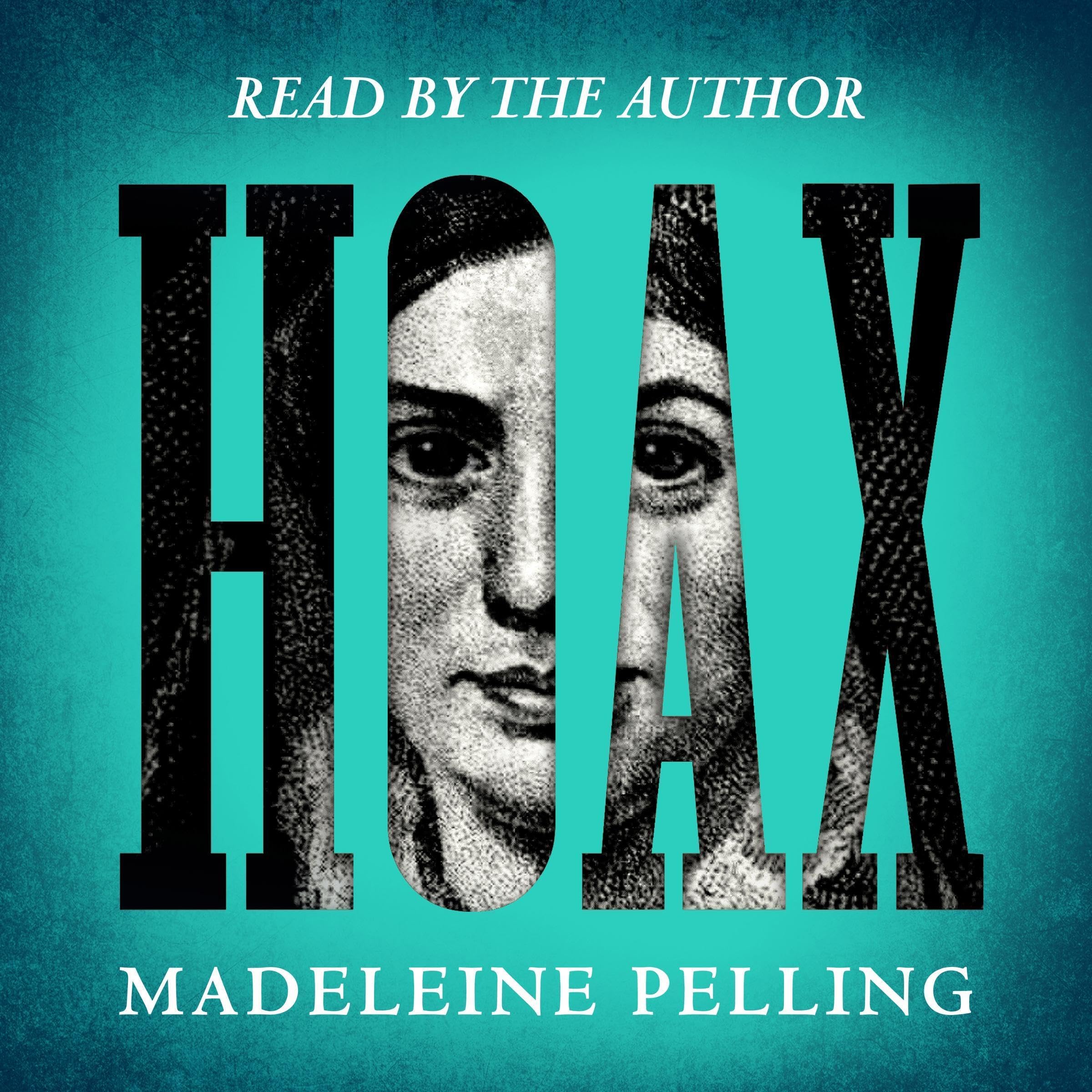
Here lies Fanny Lynes, whose whispers from beyond the grave set London alight with scandal. Here swings Mary Bateman, who lived a life of lies – and died a prophetess and murderer. Here stands Mary Willcocks. Or is it Anne Burgess? Or Princess Caraboo, from the distant island of Javasu?
A ghost. A witch. A princess. This is a story of those who lie. And of those who choose to believe them. The discoveries of the Enlightenment unsettled as much as they excited. New truths challenged longstanding beliefs. Rationalism jarred with superstition. Which voices would be heard in this ferocious battle for certainty?
From the chaos, three women and their hoaxes rose as symbols of terror and fascination. But were the lies surrounding Fanny Lynes, Mary Bateman and Mary Willcocks entirely of their own making? Why were the public transfixed?
Questioning culpability and complicity, Pelling’s engrossing history of this great age of the hoax reveals a veiled world of moral panic, tall tales and true crime, and holds a mirror to our own turbulent relationship with truth.
My Review
Maddie Pelling is one of my favourite podcasters and I really enjoyed her previous book ‘The Writing on the Wall’ so I was excited to listen to Hoax. The author has a good voice for narration, she speaks steadily and the narrative flows well. The book is about three famous 18th century hoaxers and it puts each person in the context of their time and place, follows their lives and the effects their actions have on society and the people around them.
I hadn’t heard of any of these individuals and found their stories fascinating. The particular circumstances of each shows certain aspects of their society and times in a century of advancing change, and the influence the media of the day had on the spread of the hoaxes. I found this an enjoyable and informative listen.
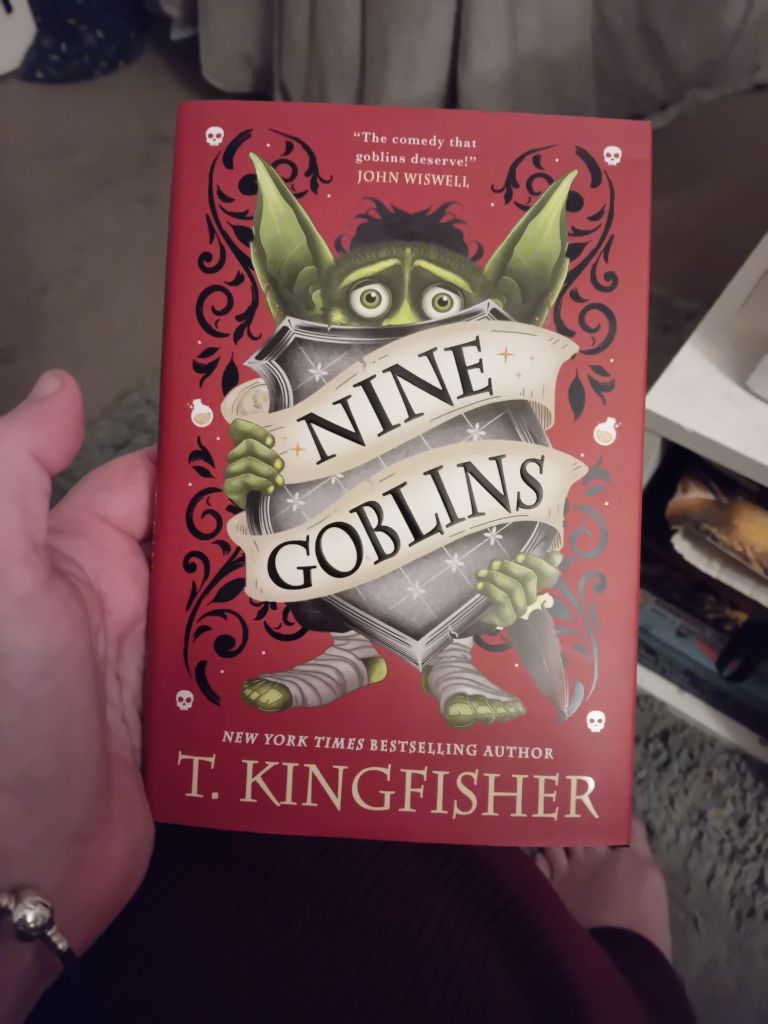
No one knows exactly how the Goblin War began, but folks will tell you that goblins are stinking, slinking, filthy, sheep-stealing, henhouse-raiding, obnoxious, rude, and violent. Goblins would actually agree with all this, and might throw in “cowardly” and “lazy” too for good measure.
But goblins don’t go around killing people for fun, no matter what the propaganda posters say. And when a confrontation with an evil wizard lands a troop of nine goblins deep behind enemy lines, goblin sergeant Nessilka must figure out how to keep her hapless band together and get them home in one piece.
Unfortunately, between them and safety lies a forest full of elves, trolls, monsters, and that most terrifying of creatures…a human being.
My Review
I wasn’t planning to buy this book when I went into Waterstones Grimsby this afternoon. I was looking for the paperback edition of A Song of Legends Lost, by M. H. Ayinde. I have a lovely hardback and the paperback has just come out so I can start reading it at last. Anyway, this little gem was sat on the shelf and the cover made me pick it up. The blurb made me buy it.
I also found another dragon for my collection, a Charlie Bears Cuddle Cubs Collection one, its green with tired eyes and is currently sat with my blue and yellow Suki brand dragon that I got from Leeds Royal Armouries, and my ‘TY Original Beanie Babies’ dragon Scorch. The dragon shelf is full, so I’ve had to shift those three to a different part of the desk.
I need a bigger dragon shelf…
Back to talking about books and not my weird dragon stuffy collecting.
So, as I said I was initially attracted by the cover and then the description. I started reading while waiting for my bus home, then on the bus and I’ve just spent 2 hours on my settee finishing it. It’s a novella, obviously, and the first adult book the author wrote after writing best selling children’s books. It has too many dead bodies for a children’s book, although I’m pretty certain kids like goblins that are always picking their nose or ear, or running away and stripping off, or things blowing up. It’s funny, well-written and has a satisfying story arc and ending. I haven’t read any T. Kingfisher books, I don’t think, but I have Clockwork Boys on my TBR pile. I think I like the writing style of this book, so I’m hopeful that I’ll like a longer novel.
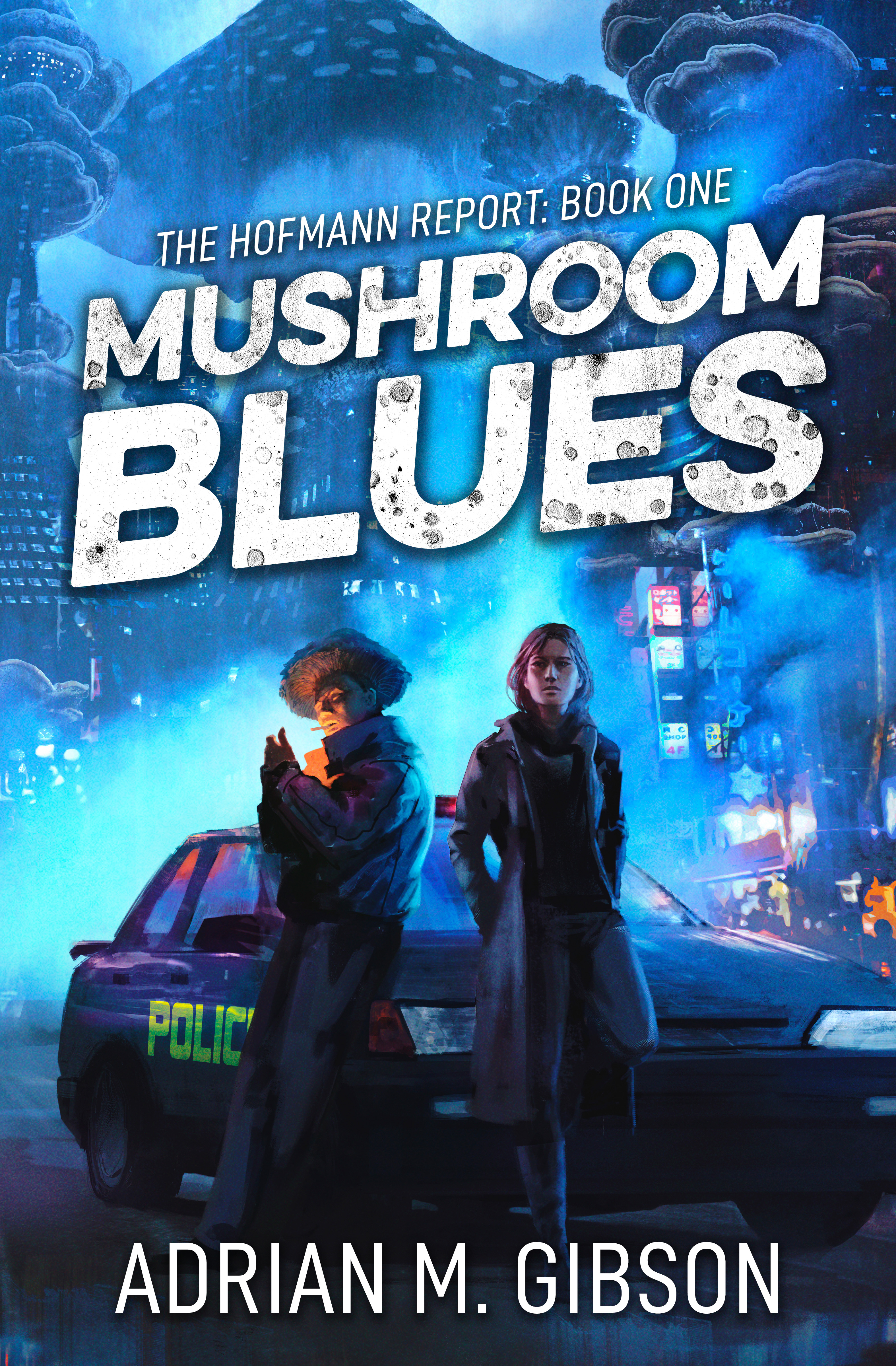
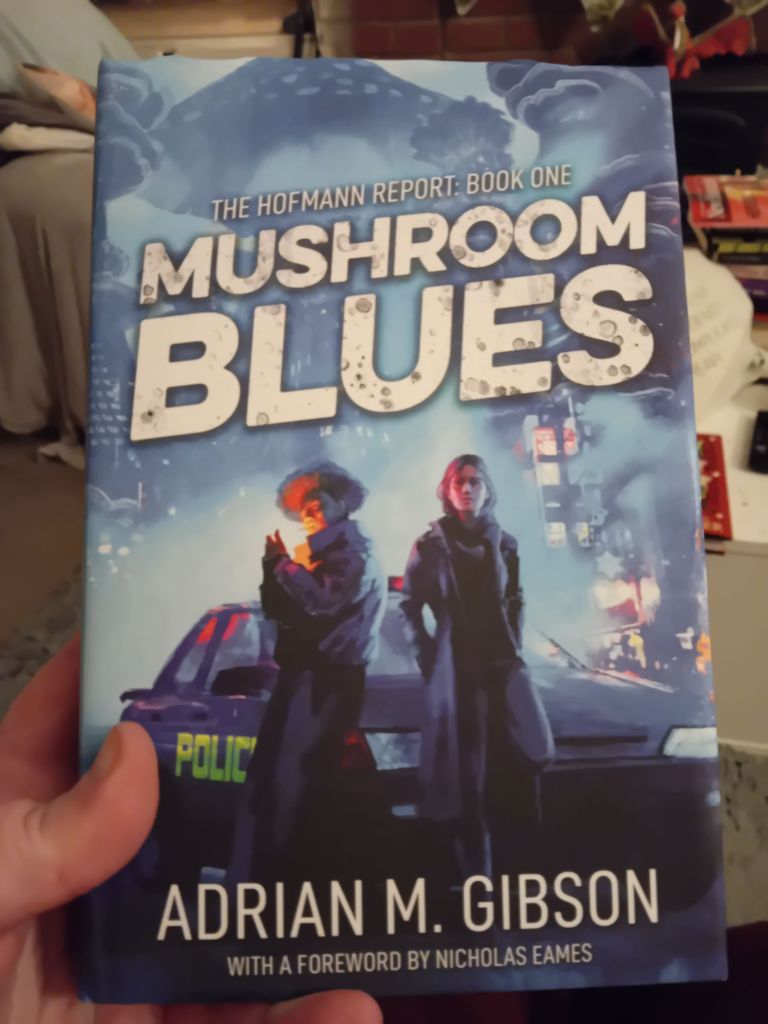
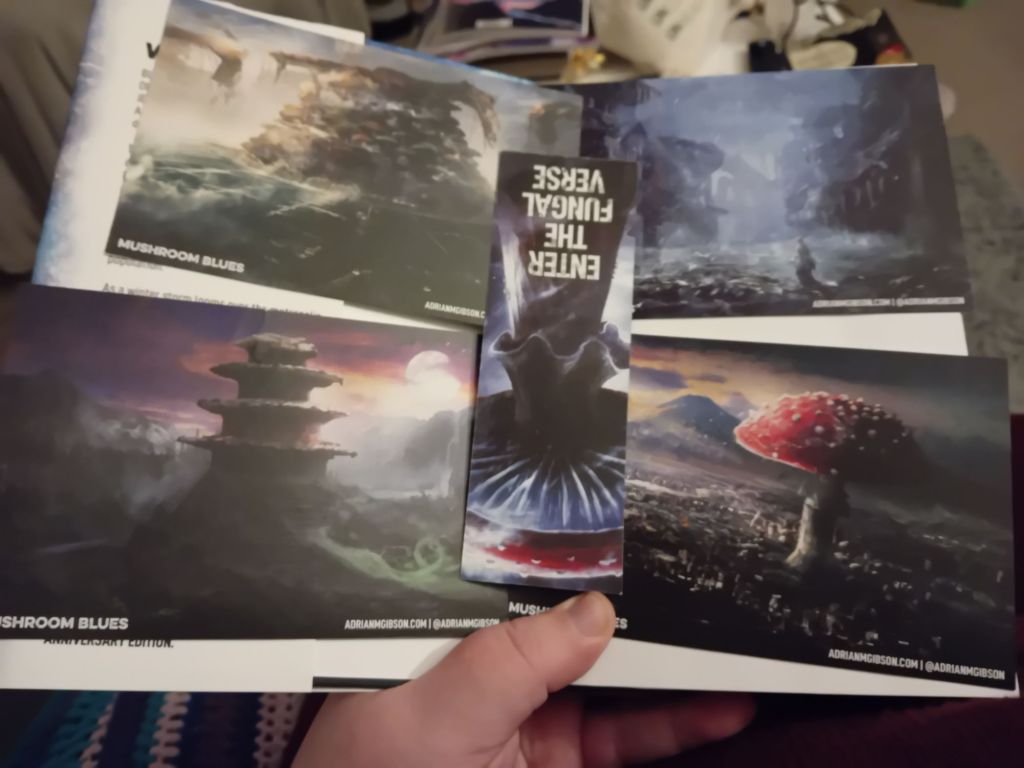
ENTER THE FUNGALVERSE. Blade Runner, True Detective, and District 9 meld with the weird worlds of Jeff VanderMeer, Philip K. Dick, and China Miéville in Adrian M. Gibson’s award-winning fungalpunk noir debut, now with a foreword from acclaimed author Nicholas Eames and six pieces of original interior artwork.
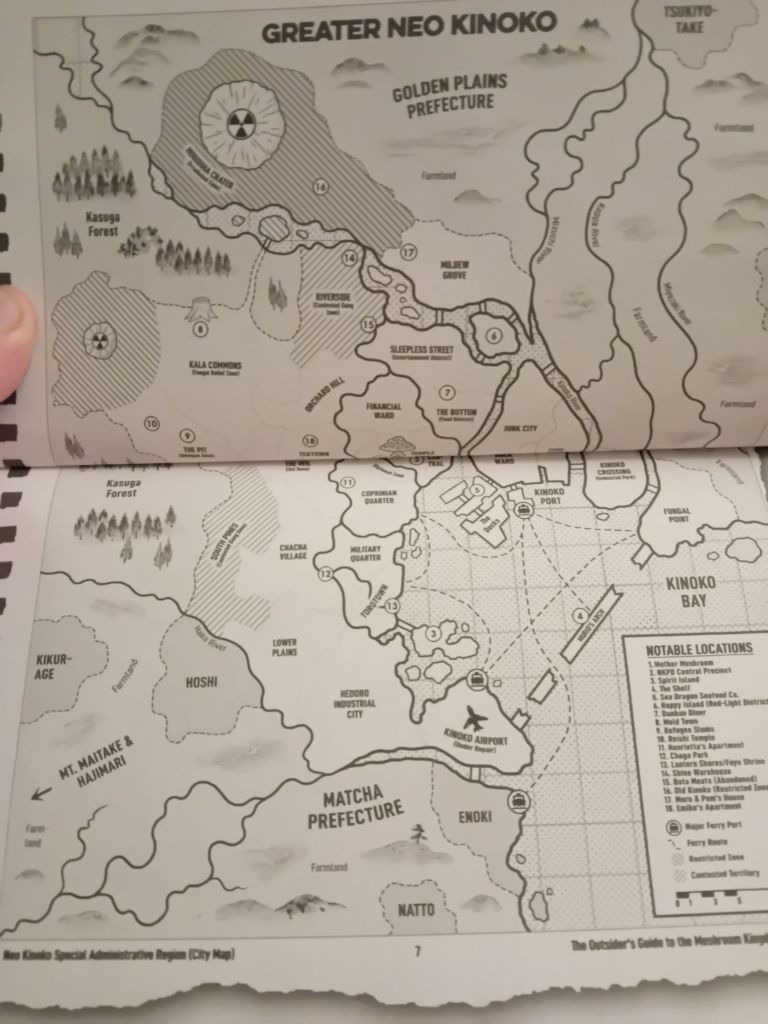
Two years after a devastating defeat in the decade-long Spore War, the island nation of Hōppon and its capital city of Neo Kinoko are occupied by invading Coprinian forces. Its fungal citizens are in dire straits, wracked by food shortages, poverty, and an influx of war refugees. Even worse, the corrupt occupiers exploit their power, hounding the native population.
As a winter storm looms over the metropolis, NKPD homicide detective Henrietta Hofmann begrudgingly partners up with mushroom-headed patrol officer Koji Nameko to investigate the mysterious murders of fungal and half-breed children. Their investigation drags them deep into the seedy underbelly of a war-torn city, one brimming with colonizers, criminal gangs, racial division, and moral decay.
In order to solve the case and unravel the truth, Hofmann must challenge her past and embrace fungal ways. What she and Nameko uncover in the midst of this frigid wasteland will chill them to the core, but will they make it through the storm alive?
SPFBO X 2nd place. Shortlisted for the British Fantasy Award for Best Newcomer. Winner of the FanFiAddict Award for Best Indie Debut, the Literary Titan Gold Book Award, and the Next Generation Indie Book Award.
My Review
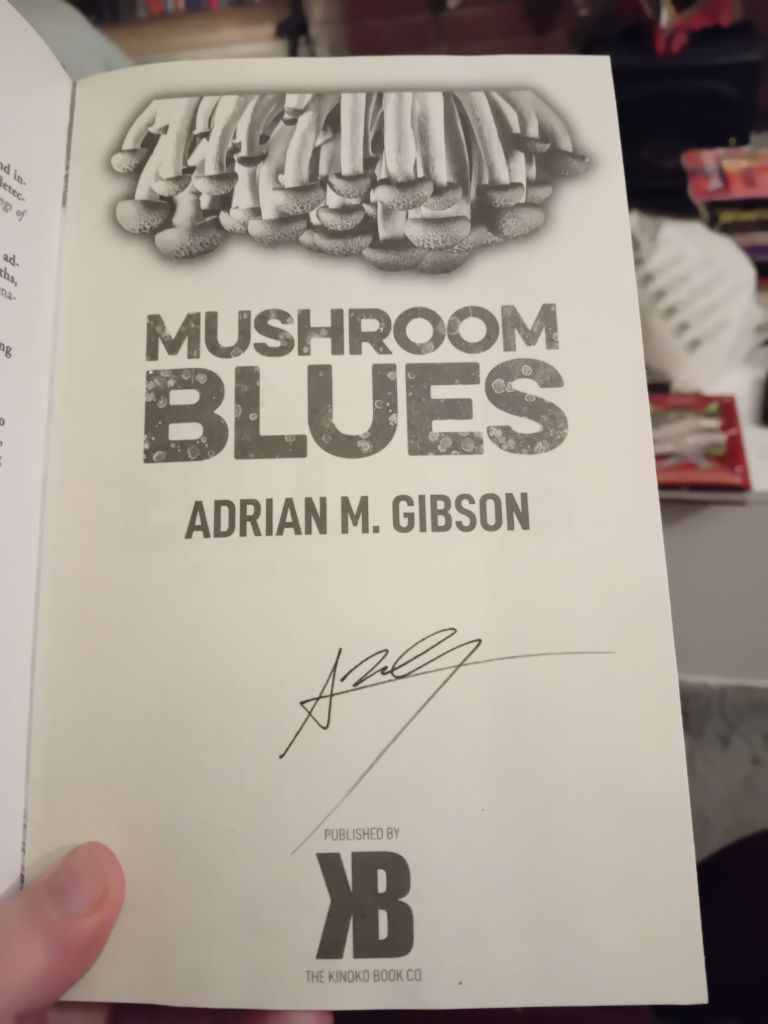
I picked this book up at World Fantasy Convention 2025 in Brighton, from the Broken Binding table in the dealers room. I got a lovely signed and illustrated hardback edition. Usually I’m uncomfortable with mushrooms – I saw that episode of Hannibal where a killer was using bodies to grow mushrooms and one of the victims was alive and sprouting, and I’ve had an issue ever since. It’s weird, anything with parasites also upsets me, but I managed to read Alien Clay, so I can manage to read Mushroom Blues.
This novel was originally self-published in 2024 and did well in a variety of awards. The edition produced with The Broken Binding is a hardback, signed and illustrated. It’s published by Kinoko Book Co. which is hard to find anything about, so I’m assuming it’s the name the author has chosen for his self-publishing venture. Gibson is, according to his bio, “an award-winning Canadian SFF author, podcaster, illustrator, and tattoo artist. He is the creator of the SFF Addicts podcast, which he co-hosts with fellow authors M.J. Kuhn and Greta Kelly. The three host in-depth interviews with an array of science fiction and fantasy authors, as well as writing masterclasses.”
This is his debut novel. And it’s really quite enjoyable. We follow Hofmann, a detective sent from the homeland to work for the NKPD, and she’s struggling. In a world of men, she’s a divorced older woman in recovery from alcoholism – caused by the job, worsened by the death of her daughter in a car crash Hofmann caused. She hates mushrooms. Not just the people of Hoppon, but mushrooms in general – she can’t see them or eat them without feeling sick. And she’s stuck in a place where humans are a minority, and the majority are fungal people who live in fungal architecture. It’s her worst nightmare. She’s been fed a load of manure in the form of propaganda and holds all sorts of prejudices about the Hopponese.
Children are going missing. Hipponese and ‘half-breeds’ – mixed human and Hipponese children. An Elder finds the dismembered body of one of the children on a sacred island. The NKPD assign the job to Hofmann, and the force’s only Hopponese officer, Koji Nameko, since he was the one to first arrive and to speak to the elder who found the body.
They uncover the fates of the missing children and race to prevent a disaster that involves Nameko’s own family at a major midwinter festival.
As the pair investigate, Hofmann finds herself overcoming her prejudices and learning to appreciate the culture of the people her own are occupying. She even eats mushrooms and doesn’t vomit, at one point.
It’s obviously based, in part at least, on conditions in Japan between 1945 and 1970. After the bombing of Nagasaki and Hiroshima, the yanks imposed a military occupation on Japan. Japan had been the aggressors, attacking China and Russia from the 1930s, before joining the Axis Powers (Germany, Italy, Japan) and attacking Hawaii in 1940. There are still people alive who were children at the time and had relatives who fought with British, Commonwealth/Imperial forces in the Pacific, and who have inherited hate for Japanese people. Australian forces were expecting a Japanese invasion, British colonies around the Pacific were invaded and occupied. We’ve all heard about the horrors of Singapore and the POW camps that murdered thousands.
After the war, the USian Americans felt particularly aggrieved, as though they were the only ones to lose people in horrible ways, to be traumatised. And they took it out on the ordinary people of Japan during their occupation. Soldiers and civilian occupiers had been fed a diet of dehumanising propaganda for years and as a result treated everyone as though they were personally responsible for the actions of prison camp guards and commanders.
No one gets out of this looking good, by the way. There were massacres of people protesting for equal treatment in their own home, soldiers killed with impunity, the General in charge was a nutter. Japanese survivors of the hydrogen bombs were stigmatised because of fears of mutations and genetic damage and the institution of the Japanese Emperor got out of everything without a stain. Blame bad advisors, for the throne is divine and can do no wrong. Where have we heard that before?
Anyway, I recommend learning a little post-war Japanese history, after reading this novel, because the context adds depth.
Of course, this book is about an imaginary world, an imaginary war, and imaginary species, an imaginary occupation…
The mystery is well-paced throughout and the climactic race to stop the murder of children and incite a riot at a temple is exciting and balanced by the post action resolution. The description of the city is a blend of cyberpunk futurism and early 20th century detective noir, gritty and flashy, destruction and growth. The main characters develop as people and we learn about their back grounds as they move through the story. It was a quick read, although it’s not a short book, and I really couldn’t put it down.
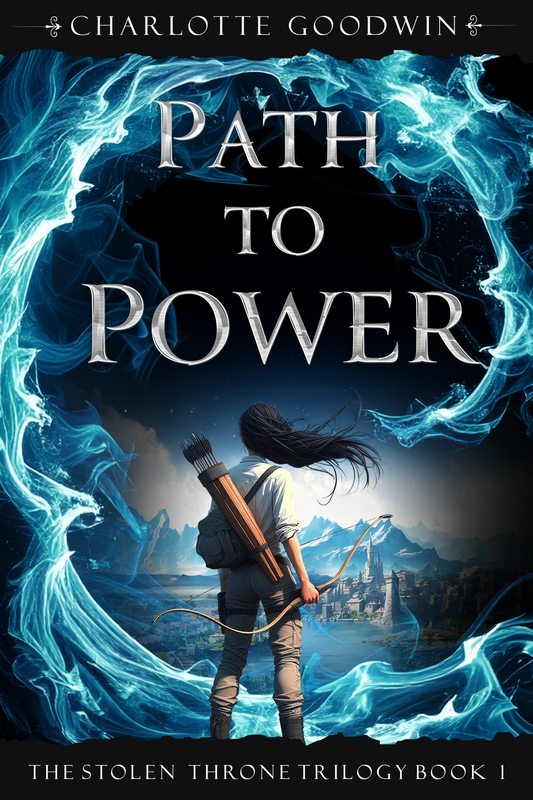
A queen without a throne, a sorcerer without magic, a usurper bent on genocide…
Emma thought she was just an ordinary woman. She had no idea that she’d been abducted by aliens to save her life; until they returned her memories. The Zargons watch, they study, they don’t interfere, until one of them did. One of them saved Emma’s life when they shouldn’t have, and now they want her to save thousands more.
Emma’s stepmother is the mightiest sorcerer Dunia has ever seen. She used her power to steal Emma’s birthright, and now she’s using it for genocide. Only Emma can supplant Queen Lila, but she can’t do it alone. Her husband, Tom, has a potential he never knew; a potential to wield magic. Together, they must travel across the galaxy, find Tom’s magic, and save the homeland she never knew existed, until now.
About the Author
Charlotte Goodwin is an Army Reservist of twenty years with just another twenty-two to go! She openly admits she is unable to ever leave through choice and will still be serving until they kick her out at sixty. Around the Army, Charlotte somehow manages to fit in being a mum to two young children, a never ending renovation project, adventures in the great outdoors and an addiction to writing.
ISBN: 9781835413807 Format: Paperback Pages: 384 Published: 3 Feb 2026 (US) 3 Feb 2026 (UK)
Description
In Which Many Dangerous and Homosexual Things Happen.
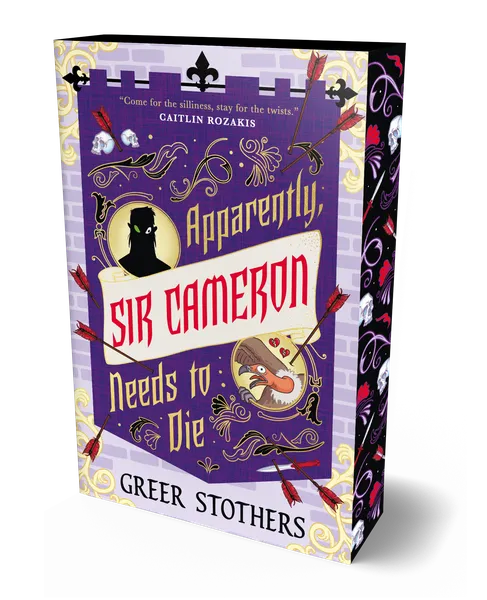
All his life, Sir Cameron has stayed as far away from danger as possible. He is quite frankly too handsome to die a pointless death in battle. But then the Church hands down a prophecy to his fellow knights: the only way to defeat their nemesis, the mad sorcerer Merulo, is to kill Sir Cameron. Short of ideas, Cameron throws himself on the mercy of the one person who now actually wants him to survive: the mad sorcerer.
Merulo isn’t thrilled to be babysitting a spoilt, attention-seeking knight, but transmogrifying him into a vulture is at least entertaining. Cameron, meanwhile, is on a voyage of self-discovery. It turns out he’s really, really into surly sorcerers who lock him up and tell him what to do. Who knew?
As a legion of knights surround their stronghold, the sorcerer’s poisonous ambitions draw ever closer to fruition. Cameron is quite invested in not dying, but he finds he’s also invested in Merulo. And sometimes, supporting the sorcerer you care about means taking an interest in their hobbies. Even if that hobby is trying to kill God.
Even if it might get you killed, too.
Fall in love with this laugh-out loud, genre-bending romp full of concussed elves and queer romance like you’ve never seen before.
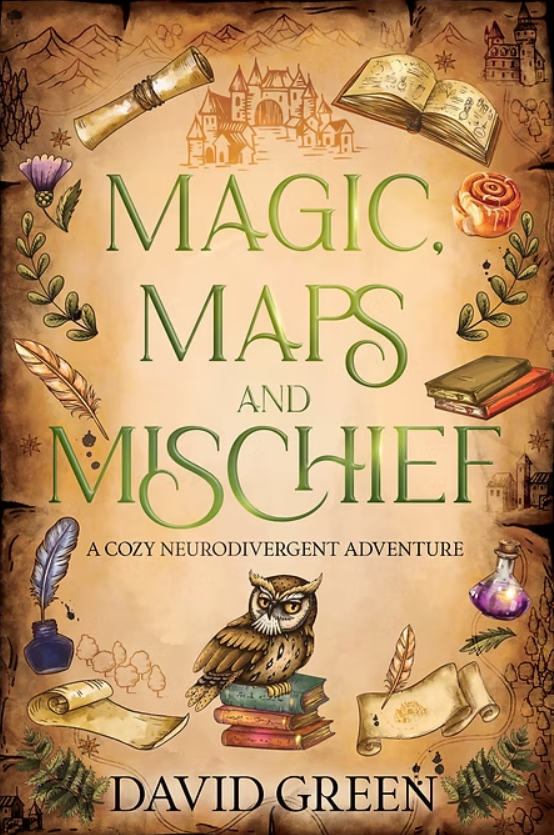
Format:427 pages, Paperback Published: October 8, 2025 by Independently published ISBN: 9798269020877
Book Description
What Would YouDo To Discover Your Heart’s Desire?
Greton of Willow is in a spot of bother. Caught in the act while escorting a family of elves to safety, Greton flees for greener pastures with only his scant magic and brilliant mind to his name.
And a question. The question.
‘What is your heart’s desire?’
A life-long outsider, Greton sets out to uncover what lies at the centre of his heart. Is it adopting a tawny owl? Owning his very own map shop? Forging a found family with others as similarly scorned as himself? The possibilities are endless. Determined to put his marvellous mind to the task, Greton discovers a way to reveal anyone’s heart’s desire, but not everyone’s longings are as pure as his…
Something odd is occurring in Greton’s new home of Barrow’s Hill, and, before long, the old man in search of a comfortable new life finds himself swept up in danger and mischief.
My Review
Firstly, a disclaimer. I know the author, he’s the BFS Secretary, and currently running a writing course I’m on. I had an advanced ebook of this novel last year. Unfortunately, I struggle to read ebooks, so I got a physical copy at World Fantasy Con in October/November just after it was published. Dave has signed it and everything. I also heard some of the story at Fantasycon in Chester last year. So I knew from what I’d already heard and read that I’d enjoy it.
We meet the Sparker, a magic user, Greton on the island of Haltveldt. He’s forced to join a raid looking for elves. The Emperor has been committing genocide and some of the Sparkers are happy to help. Greton is not. He helps a family of elves flee but is caught by one of those murder-happy Sparkers. Greton is forced to flee to Valen, a state on the main continent. On the way he makes a friend in Atlas, the tawny owl and finds a patron, an explorer looking for accurate maps. On the way he ponders the question asked by one of the elves, what does his heart desire?
Greton loves maps. He is an extraordinary mapmaker. In Valen, Greton makes his way to Barrow’s Hill. Here he settles into a shop next door to a tea shop and across the road from a book shop. He’s very happy, and sets about creating maps, before trying to develop an ink that will show him his hearts desire. Along the way he makes some good friends and helps uncover a mystery – who is robbing the homes and shops of Barrow’s Hill and getting in and out unseen? He also discovers his heart’s desire was right in front of him the whole time.
There are some things that are obvious to the reader that Greton is oblivious to, but it’s part of his character. His instincts can be good but he’s uncertain about them because of the bullying he’s experienced. He’s a rather sweet old man who wants to make maps and help people. Aria is an energetic, fun character who balances Greton’s steadier nature, between them, they work well and successfully. With Petra across the road, they form a chosen family that is stable and loving. Greton is an autistic character, Aria is an ADHDer, and this book is a celebration of ND life and friendships. The characters have settled into my brain and I want to read more about their lives.
I enjoyed the cosy tale and the mystery was well-formed and the explanation entirely sensible. I picked up the clues that some people were dodgy fairly early on, but the execution of the mystery had good pacing and a satisfying resolution.
The world building is strong and memorable. The settings are clearly defined and I enjoyed exploring them with Greton. I would like to go exploring with Greton and make maps with him.
I knew changing from an ebook to a physical book would be sensible – I started from where I left off in the ebook, while I was in Brighton and got about half of it read. I had blog tours to read for so I put this book down until Saturday, when I spent the afternoon reading the rest. I needed a couple of days processing time to write a review, but here it is. I enjoyed the story, the characters and the setting. I need to read In Solitude’s Shadow, which is set 200 years after this book. I enjoy David’s writing and I want to know more about the world of Greton and company.
If you want a cosy fantasy with explicitly ND (autistic, ADHD) and Queer (asexual, lesbian) characters, I recommend this book.
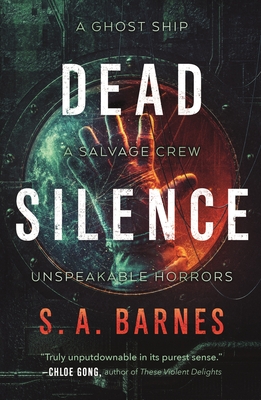
Format: 352 pages, Paperback Published: January 24, 2023 by Tor Trade ISBN: 9781250778543
Titanic meets Event Horizon in this SF horror novel in which a woman and her crew board a decades-lost luxury cruiser and find the wreckage of a nightmare that hasn’t yet ended.
Claire Kovalik is days away from being unemployed―made obsolete―when her beacon repair crew picks up a strange distress signal. With nothing to lose and no desire to return to Earth, Claire and her team decide to investigate.
What they find is the Aurora, a famous luxury spaceliner that vanished on its maiden tour of the solar system more than twenty years ago. A salvage claim like this could set Claire and her crew up for life. But a quick search of the ship reveals something isn’t right.
Whispers in the dark. Flickers of movement. Messages scrawled in blood. Claire must fight to hold on to her sanity and find out what really happened on the Aurora before she and her crew meet the same ghastly fate.
My Review
I ordered this book after seeing it on one of the GoodReads challenge lists. I hadn’t heard of it before although the author’s name pinged something in my brain. I liked the description and thought it would be entertaining.
Oh boy! I read the hype at the beginning of the book when it arrived and thought it might be exaggeration, just a touch.
I was wrong! It’s really good!
I read this book in an evening. At one point I had to skip forward to find out what happened, and then I went back once I was reassured at least some people would be alright.
The story is told from the perspective of the traumatised and quite likely psychic Claire Kovalik, team lead for a maintenance crew. The five-person crew service the comms network that’s scattered across the solar system, they live for weeks at a time on a tiny space vessel, being picked up and dropped off by larger freighters. It’s Claire’s last rotation, at 33 she’s considered too old, and due to her history, too unstable, to carry on.
Then, they hear a beacon. After an argument, they head out into uncharted territory to find the source of the beacon. What they find is the first and only luxury space liner. Twenty years lost, the Aurora’s disappearance destroyed the company that built it, allowing Verux, the company Claire works for, to take over. It’s worth a fortune to those who find and salvage it. But there are secrets.
Claire and her crew go aboard the Aurora and find terrible things.
We swap to Claire in the mental hospital, some time after she boards the Aurora with her crew. She doesn’t remember much. Her old mentor, Max, and a bully from Verux, Reed, a nepo-hire, who is determined to prove she murdered her crew for money, are questioning her. Claire tells them everything she can remember, up to the point where her skull is fractured. The hallucinations, the violent deaths of her colleagues, the developing romantic relationship between her and Kane, her number two, and the plan to get the Aurora back to the comms network so they can call for help.
Reed fails and Max recruits Claire to go back to the Aurora with him – she’s the only person who survived. Her mental illness might actually have helped. When they get there, Claire finds the neatly wrapped bodies of three of her colleagues and the last hallucinating in a room padded with mattresses. She also finds a conspiracy that Verux really don’t want to get out.
There is madness. There are explosions.
I loved it!
Claire is a beautifully flawed character. She blames herself for everything when it’s clearly not her fault, she refuses to let people care for her and fears what will happen when they do – convinced she’ll cause their deaths somehow, and she’s severely traumatised by events of her childhood. Also, she can see ghosts.
The relationship between Claire and Kane is sweet and develops naturally as they go through difficult events. The resistance Claire feels about getting close to people is a response to her trauma, and Kane’s calming presence, knowing her past, slowly helps her build trust in herself and him.
The corporate evil of Varux is entirely believable – destroy a competitor and then try to clear up the mess by murdering people. I know this has happened in real life, although usually the firms involved distance themselves by saying it was rogue contractors – see VWs slave plantations in the Amazon during the 1980s, or mining companies that regularly allow their ‘security contractors’ to murder local activists – especially in the Amazon. Putting it in space makes it sound like fiction, but this shit is happening in the real world now. I direct you to Silent Coup: How Corporations Overthrew Democracy by Claire Provost and Matt Kennard ( I have a Left Book Club copy that I’m reading at the moment) for more information.
I was absolutely rivetted by this book, by the mystery of how the people went mad and what happened to Claire, allowing her to escape and return to rescue what was left of her crew. Definitely going on my favourites list for this year.