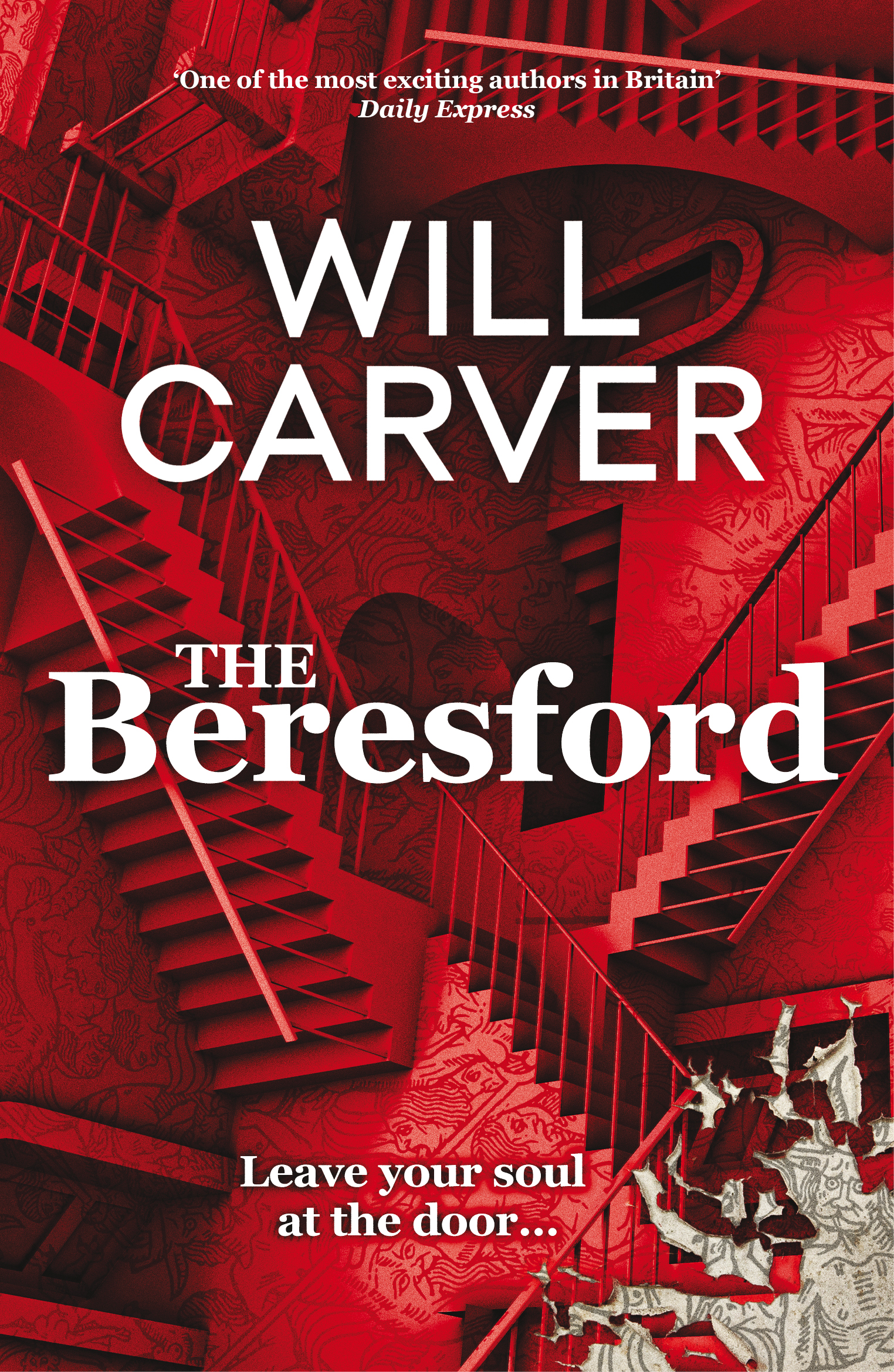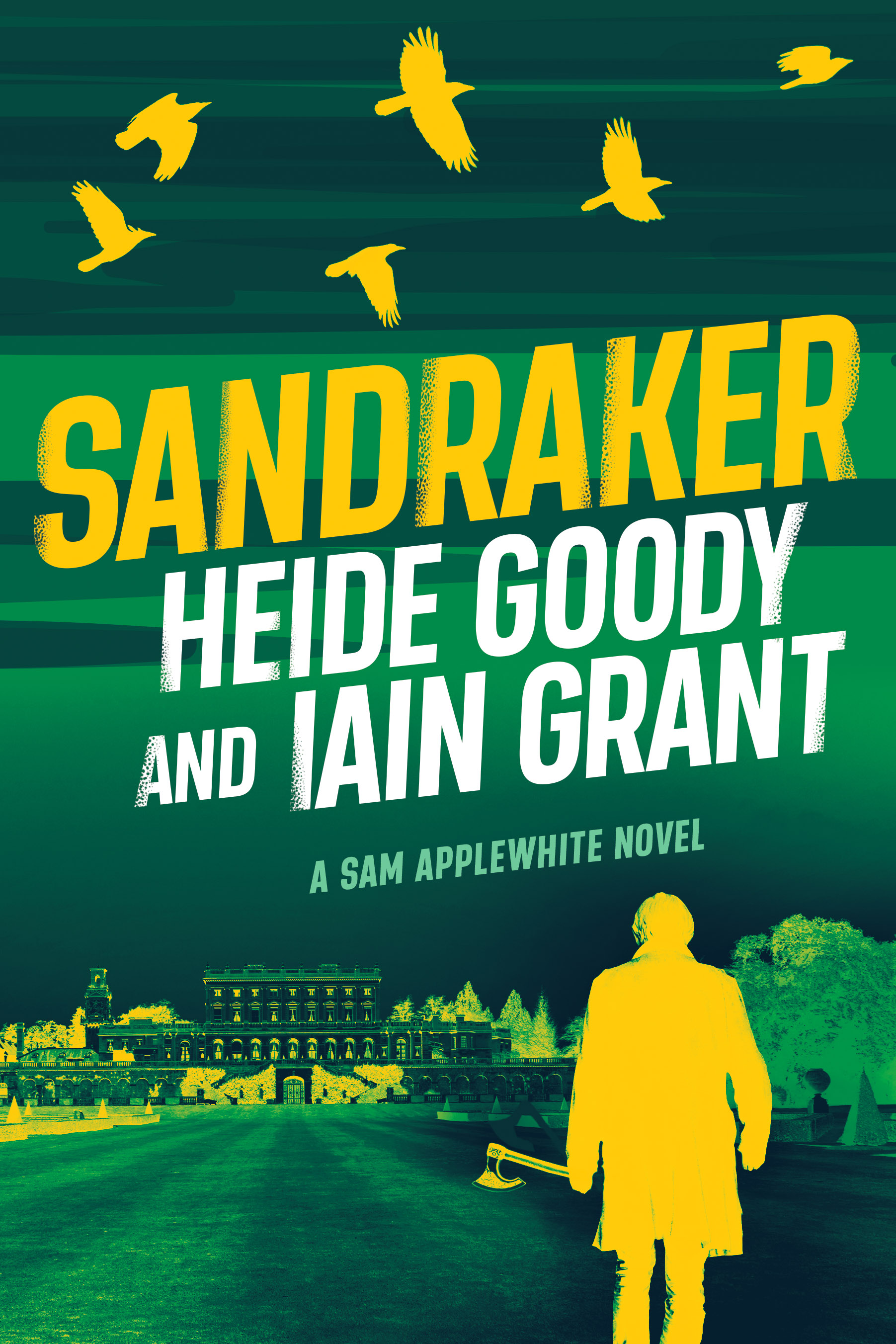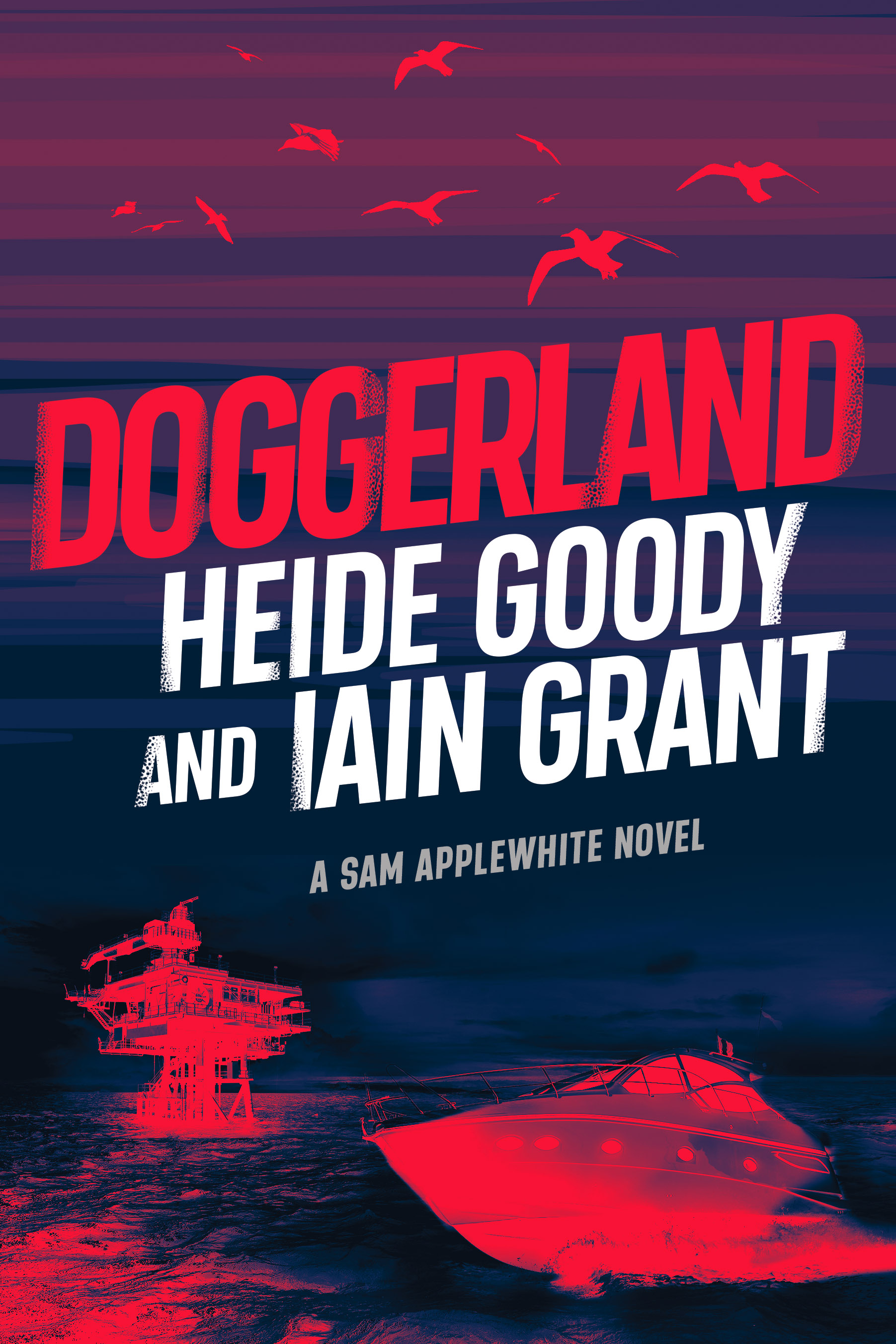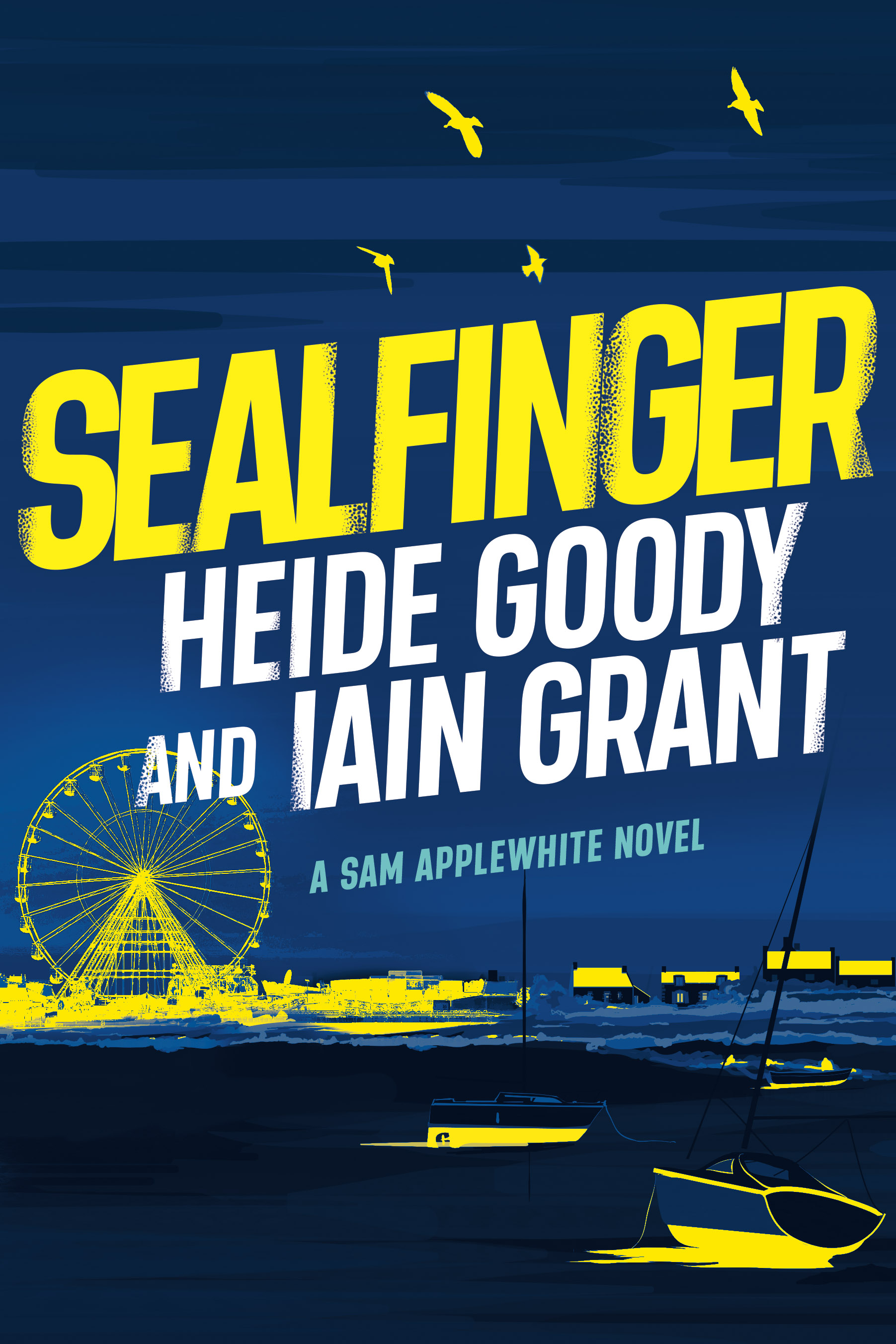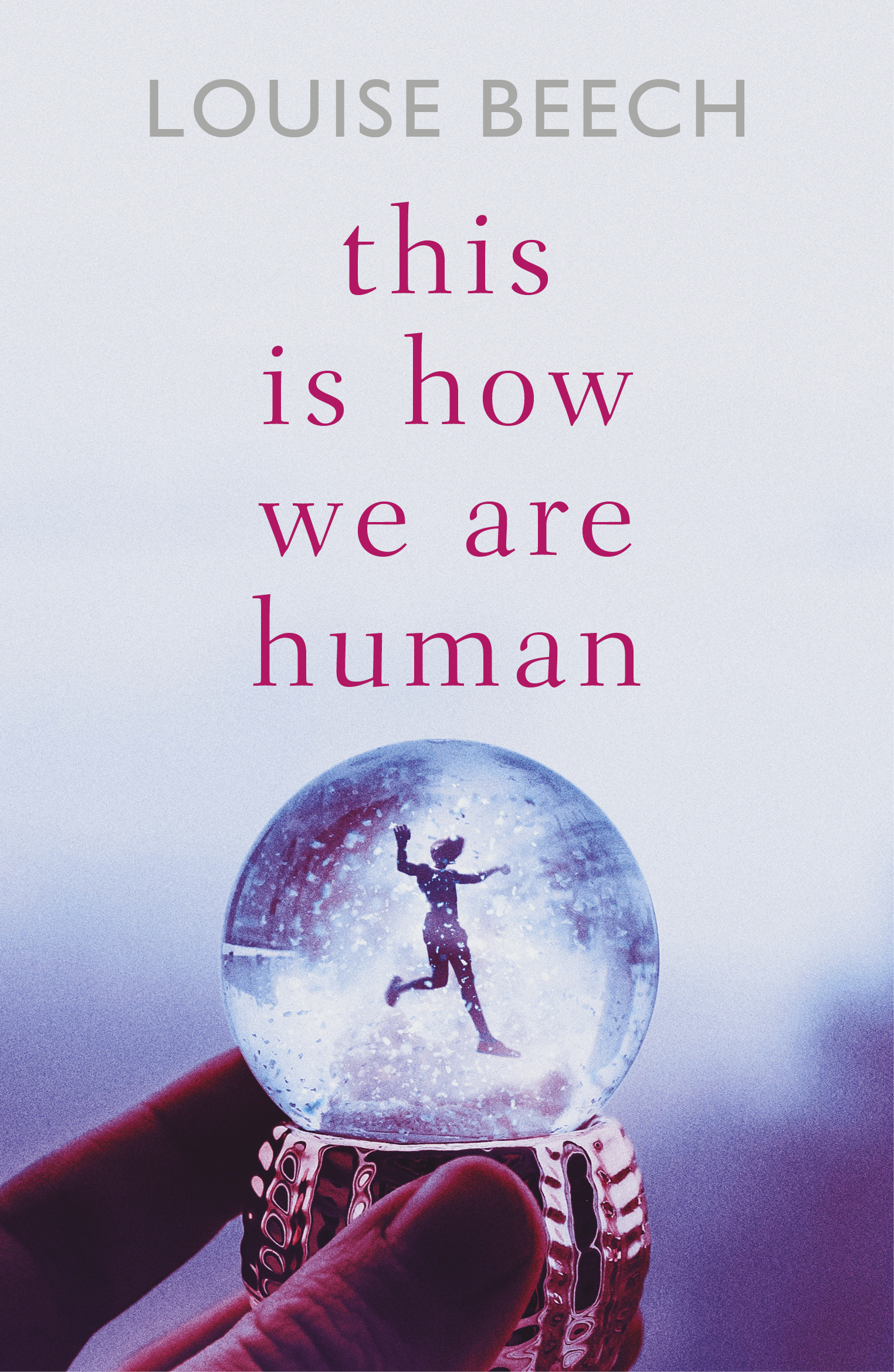
Published by Gollancz 24 June 2021 (NEW DATE) Hardback £14.99 also as eBook and audiobook
Blurb
Not long from now, in a recognisable yet changed London, Signy and Matthew lead a dull, difficult life. They’ve only really stayed together for the sake of their six year old son, Jed. But they’re surviving, just about. Until the day the technology that runs their world stops working. Unable to use their phones or pay for anything, Matthew assumes that this is just a momentary glitch in the computers that now run the world.
But then the electricity and gas are cut off. Even the water stops running. And the pollination drones – vital to the world, ever since the bees all died – are behaving oddly. People are going missing. Soldiers are on the streets. London is no longer safe.
A shocking incident sends Signy and Jed on the run, desperate to flee London and escape to the small village where Signy grew up. Determined to protect her son, Signy will do almost anything to survive as the world falls apart around them. But she has no idea what is waiting for them outside the city…
Join the creators of Queer: A Graphic History (‘Could totally change the way you think about sex and gender’ VICE) on an illustrated journey of gender exploration.
We’ll look at how gender has been ‘done’ differently – from patriarchal societies to trans communities – and how it has been viewed differently – from biological arguments for sex difference to cultural arguments about received gender norms. We’ll dive into complex and shifting ideas about masculinity and femininity, look at non-binary, trans and fluid genders, and examine the intersection of experiences of gender with people’s race, sexuality, class, disability and more.
Tackling current debates and tensions, which can divide communities and even cost lives, we’ll look to the past and the future to ask how might we approach gender differently, in more socially constructive, caring ways.
● This ground-breaking anthology brings together an eclectic cohort of trans, nonbinary, agender, gender-fluid and intersex contributors to share their experiences of “gender euphoria” – bringing stories of joy, belonging and positivity to the conversation around transition ● Moments of gender euphoria include an agender dominatrix being called ‘Daddy’, an Arab trans man getting his first tattoos, and a trans woman embracing her inner fighter ● Gender Euphoria reached its funding target in less than a week, and has over 1,000 backers
So often, the stories shared by trans people about their transition centre on gender dysphoria: a feeling of deep discomfort with their birth-assigned gender, and a powerful catalyst for coming out or transitioning. But for many non-cisgender people, it’s gender euphoria which pushes forward their transition: the joy the first time a parent calls them by their new chosen name, the first time they have the confidence to cut their hair short, the first time they truly embrace themself.
Gender Euphoria seeks to show the world the sheer variety of ways that being non cisgender can be a beautiful, joyful experience. What each of the book’s essayists have in common are their feelings of elation, pride, confidence, freedom and ecstasy as a direct result of coming out as non-cisgender, and how coming to terms with their gender brought unimaginable joy into their lives.
Paperback Published December 23rd 2019 ISBN:1677313129 (ISBN13: 9781677313129)
Blurb
Overwhelmed by creating fantasy worlds?
Lost in your world? Unsure where to go next?
30 Days of Worldbuilding breaks the task into manageable chunks. By following 30 creative prompts, this book will guide you from idea, to full world.
This workbook will help you to:
* Break the epic task of worldbuilding into easy steps * Build a full and complete world with prompts you may not have thought of * Tie your worldbuilding into your story to increase tension and conflict * Bring your worldbuilding back to your characters to get your readers hooked
This book also includes a bonus lesson on building magic systems that work. By completing just one prompt each day, you can have a fully created fantasy world in a month. You will also have an invaluable book of worldbuilding notes to keep beside you as you write.
Get 30 Days of Worldbuilding today, and stop getting lost in your world.
Available as both an ebook Guidebook and a paperback Workbook with space for answering each prompt.
My Review
I bought this book on a whim yesterday and it arrived this afternoon while I was out swimming. As some of my long-time readers might know, I occasionally write fantasy.
I know the world I built, Erce, from the core upwards, but I don’t know know how I know. I have written some of it down on here. There have been some changes to the world since then, and I’m working on a massive rewriting project. The main character of Lizzy remains but the world is changing a touch, with more obvious magic and fantasy elements.
In July I’m running a four part fantasy writing workshop through The Faraway CIC, and I needed some ideas for writing exercises. I wanted to check I had enough content as well. There are bound to be things I’ve missed if I don’t check it against other people’s work.
As it happens, this book has been quite though-provoking both for my own worldbuilding and for the workshops. I’ve ordered a couple of other books by the author because I think this workbook will be very useful to me as a writer. The author is a massive fantasy fan and a writer of speculative fiction herself, so she knows what she’s talking about (I have doubts about her taste – Narnia, really? Everyone knows Tolkien was the best Inkling!). I think I will return to this book every time I build a world (there are a couple sitting in my notebooks and several stories waiting to be written in those worlds), and I will be using it to work on the re-writes of the Erce stories.
I’m not going to write in the book itself, although there is space in the book for that. It’s the sort of book you can dip into and work on an aspect of your worldbuilding or work your way through it over a month, perhaps in preparation for NaNoWriMo, or a writing retreat. The author always brings it back to the question of ‘how do these aspects of your world affect your character?’ How does a particular law or cultural event affect them and their lives? What conflict does it bring? The author reminds the reader that you have to keep these things in mind even if you don’t use it in the story. It gives the story depth, by implying that there is a history and culture that is totally normal to the characters even if it is alien to us as readers.
Very happy to recommend this book and I’ll be happy to read the other books I’ve ordered.
Stephen struggled for most of his life with severe mental health issues, endured 25 years inside British psychiatric wards and never felt acceptable outside, in the ‘normal’ world. People found him difficult and demanding yet on the inside was a man with wide interests, deep longings and an integrity that would not be compromised, whatever the cost. This is his story, inside and out; a story of grave injustices, saints and bigots, a faithful dog, a wild woman, a fairy godmother and angels hidden in plain sight. It is also the story of the author, Susie, who started off by wanting to ‘help’ Stephen ‘get better,’ and instead found herself profoundly challenged by a friendship she did not expect. Idiosyncratic, unorthodox, tragic, yet at times hilarious – this book not only tells a compelling and important story but will be vital reading for anyone who cares about mental health in our contemporary world or who might just be open to a different way of seeing: from the inside out
Hardcover, 448 pages Published February 28th 2019 by Bodley Head ISBN:1847924751 (ISBN13: 9781847924759)
Blurb
Do you have a female brain or a male brain? Or is that the wrong question?
Reading maps or reading emotions? Barbie or Lego? We live in a gendered world where we are bombarded with messages about sex and gender. On a daily basis we face deeply ingrained beliefs that your sex determines your skills and preferences, from toys and colours to career choice and salaries. But what does this constant gendering mean for our thoughts, decisions and behaviour? And what does it mean for our brains?
Drawing on her work as a professor of cognitive neuroimaging, Gina Rippon unpacks the stereotypes that bombard us from our earliest moments and shows how these messages mould our ideas of ourselves and even shape our brains. Taking us back through centuries of sexism, The Gendered Brain reveals how science has been misinterpreted or misused to ask the wrong questions. Instead of challenging the status quo, we are still bound by outdated stereotypes and assumptions. However, by exploring new, cutting-edge neuroscience, Rippon urges us to move beyond a binary view of our brains and instead to see these complex organs as highly individualised, profoundly adaptable, and full of unbounded potential.
Rigorous, timely and liberating, The Gendered Brain has huge repercussions for women and men, for parents and children, and for how we identify ourselves.
By Charlie Fish Imprint: White Owl Pages: 120 Illustrations: 150 colour illustrations ISBN: 9781526778970 Published: 28th May 2021
This book is a potted history of video games, telling all the rollercoaster stories of this fascinating young industry that’s now twice as big globally than the film and music industries combined. Each chapter explores the history of video games through a different lens, giving a uniquely well-rounded overview.
Packed with pictures and stats, this book is for video gamers nostalgic for the good old days of gaming, and young gamers curious about how it all began. If you’ve ever enjoyed a video game, or you just want to see what all the fuss is about, this book is for you.
There are stories about the experimental games of the 1950s and 1960s; the advent of home gaming in the 1970s; the explosion – and implosion – of arcade gaming in the 1980s; the console wars of the 1990s; the growth of online and mobile games in the 2000s; and we get right up to date with the 2010s, including such cultural phenomena as twitch.tv, the Gamergate scandal, and Fortnite.
But rather than telling the whole story from beginning to end, each chapter covers the history of video games from a different angle: platforms and technology, people and personalities, companies and capitalism, gender and representation, culture, community, and finally the games themselves.
My Review
This book was sent to me by the publisher in return for an honest review.
I hang around with gamers. It would be nice to have some idea of what they’re babbling on about. This book provides a history of computer games from several different angles. I found this a useful way of understanding the developments, especially the chapters about console development and about culture.
There are lots of pictures, some quite nostalgic – my sister had an original game boy with Tetris and Super Mario for instance. The biographies of important people involved in games and console development were interesting. A couple of them are definitely autistic.
There was quite a bit of detail and the references are fairly extensive so as a place to start, this potted history is a good one.
Unfortunately, the two chapters I was really interested in were truncated. Between pages 65 and 81 – most of the chapters on the important personalities of games development and gender and representation in games – had been replaced by a repeat of the previous chapter, on console development. I understand that I got an an ARC so errors happen, but it is disappointing.
This is the story of Tommy Twigtree and his Easter adventure. This book is the second story in the Tommy Twigtree series by the author Michael Firman and follows Tommy Twigtree and the Carrot Crunchers.
This short story is told from the point of view of Dr. Mensah and follows the events in Exit Strategy. Kindle Edition, 19 pages Published April 19th 2021 by Tor (first published May 5th 2020)
My Review
I enjoy MurderBot and this short story kept me going between novels and novellas. Here we read about Dr Mensah’s reaction to being held hostage once they have returned to Preservation Station. Dr Mensah doesn’t want to admit that she’s traumatised. MurderBot doesn’t know what to do but in its own way tries to help.
I enjoyed reading about events from a different perspective and this short story shows how one of the main characters is affected by event without the intermediary of MurderBot. A good addition to the canon.
No, I didn’t kill the dead human. If I had, I wouldn’t dump the body in the station mall.
When Murderbot discovers a dead body on Preservation Station, it knows it is going to have to assist station security to determine who the body is (was), how they were killed (that should be relatively straightforward, at least), and why (because apparently that matters to a lot of people—who knew?)
Yes, the unthinkable is about to happen: Murderbot must voluntarily speak to humans!
Again!
Hardcover, 168 pages Published April 27th 2021 by Tor.com ISBN:1250765374 (ISBN13: 9781250765376)
My Review
I had this book on pre-order but forgot when it was due to arrive so finding it in the post pile on Tuesday afternoon as I was leaving for swimming was a great surprise and a very happy one. I read it yesterday afternoon, to relax and because I needed my sci-fi fix.
We’re back on Preservation Station with MurderBot and its human friends. There’s been a murder! So MurderBot helps the Station Security investigate. Station Security really don’t want MurderBot around and initially suspect him, but it soon becomes clear that there are other things going on that no one knew about and a local has been suborned by the Corporations.
In this novella we see an expansion of MurderBot’s relationships and the world around him as the strangeness of Preservation in comparison to Corporate space is explored. As usual events are filtered through MurderBot’s experiences and thoughts, and are told with humour and panache. The final showdown is rather explosive. I love it.
Raw and hilarious memoir of a life-long single from award-winning author and journalist, Emma John.
Emma is in her 40s; she is neither married, nor partnered, with child or planning to be. Self-Contained captures what it is to be single in your forties, from sharing a twin room with someone you’ve never met on a group holiday (because the couples have all the doubles with ensuite) to coming to the realisation that maybe your singleness isn’t a temporary arrangement, that maybe you aren’t pre-married at all, and in fact you are self-contained.
It explores the unpartnered life as never before, joyfully celebrating individuality in a world built for two. This is the book to confront the commonly held assumption that life is less full and less-fulfilled if lived singly.
‘I wrote this book because I don’t want to be haunted by the word “spinster” any more!’