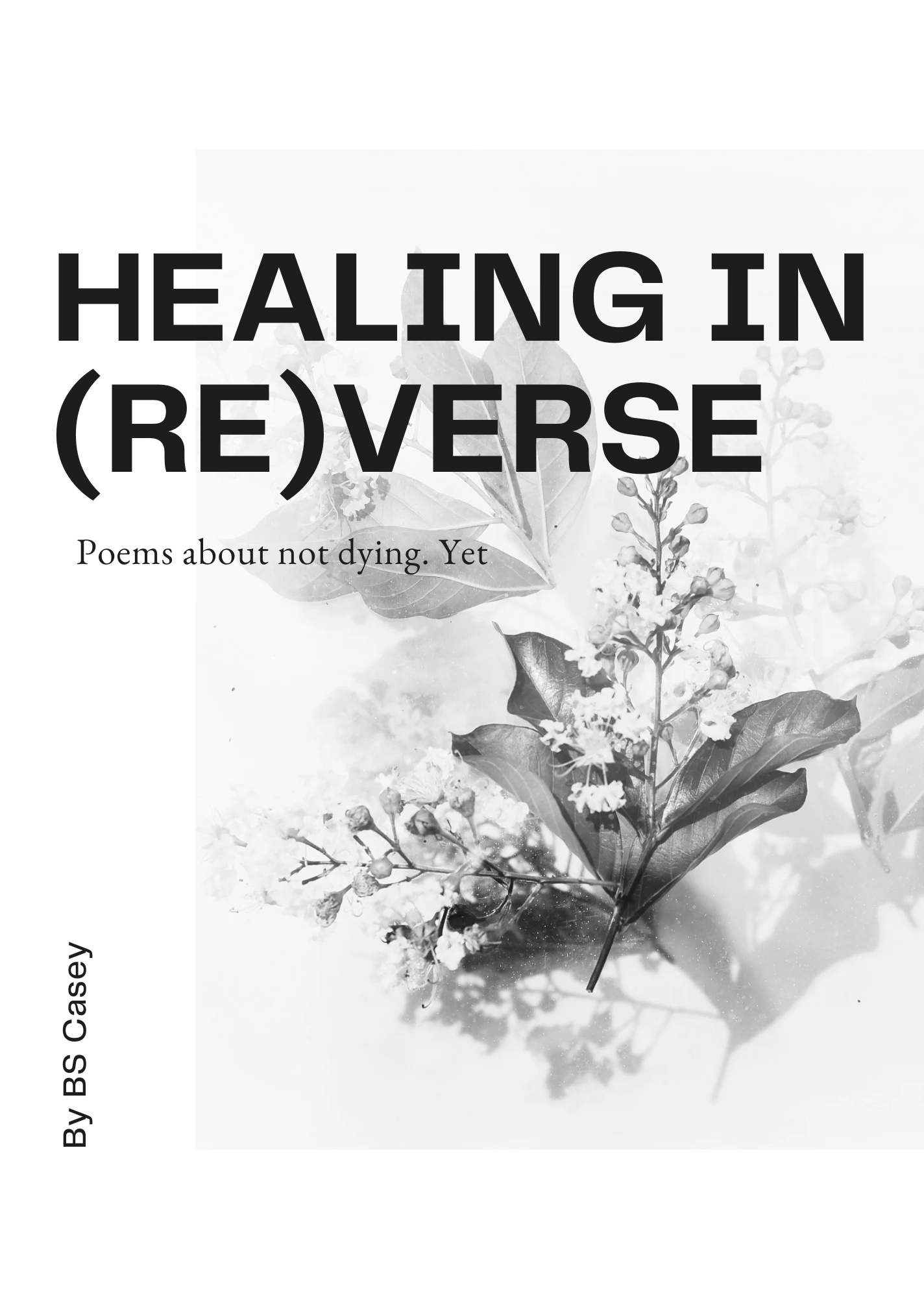
Release date: 28 January 2026 Kindle eBook Paperback Hardback later in 2026 Page count: 40 Self-Published
Blurb
A short, mixed style poetry collection about not dying just yet – exploring chronic illness, depression, trauma and finding moments of joy and love in a painful world. Inspired by the authors own experiences with disability, trauma, healing and then healing again, this collection captures the strange existence of someone not quite living but still alive.
The first fantasy-writing textbook to combine a historical genre overview with an anthology and comprehensive craft guide, this book explores the blue prints of one of the most popular forms of genre fiction. The first section will acquaint readers with the vast canon of existing fantasy fiction and outline the many sub-genres encompassed within it before examining the important relationship between fantasy and creative writing, the academy and publishing. A craft guide follows which equips students with the key concepts of storytelling as they are impacted by writing through a fantastical lens. These
– Character and dialogue – Point of view – Plot and structure – Worldbuilding settings, ideologies and cultures – Style and revision
The third section guides students through the spectrum of styles as they are classified in fantasy fiction from Epic and high fantasy, through Lovecraftian and Weird fiction, to magical realism and hybrid fantasy. An accompanying anthology will provide students with a greater awareness of the range of possibilities open to them as fantasy writers and will feature such writers as Ursula Le Guin, China Miéville, Theodora Goss, Emrys Donaldson, Ken Liu, C.S.E. Cooney, Vandana Singh, Sofia Samatar, Rebecca Roanhorse, Jessie Ulmer, Yxta Maya Murray, and Rachael K. Jones. With writing exercises, prompts, additional online resources and cues for further reading throughout, this is an essential resource for anyone wanting to write fantastical fiction.
Format 344 pages, Paperback Published January 11, 2024 by Bloomsbury Academic ISBN 978135016692
NEW FROM THE BESTSELLING AUTHOR OF I DON’T TALK TO DEAD BODIESWhat if your biggest challenge became your greatest adventure?
One day, Dr Rhona Morrison was a respected forensic psychiatrist planning for retirement. The next, on her birthday, she became a widow, stepping into an uncertain and unplanned future alone. But as Rhona soon discovered, an ending can also be a beginning – if you grasp the opportunities life presents.
In this warm, witty, and inspiring memoir, Rhona shares how she navigated the twists and turns of her loss and subsequent reinvention, transforming her grief into opportunity. From launching an art business and writing her first book, I Don’t Talk to Dead Bodies, to becoming a cruise ship lecturer and embarking on global adventures, she tackled each step with an open heart. Along the way, she discovered unexpected joys, new passions, and a renewed sense of purpose.
From Crime Scenes to Cruise Ships is an uplifting story of resilience, reinvention and embracing the unknown. Whether you’re facing loss, retirement, or a major life shift, Rhona’s journey is a reminder that even when life feels uncertain, you still have the power to shape your future. It may not look like you once imagined, but it can still be rich with meaning, adventure and possibility.
Your story isn’t over; the next chapter is waiting. So, let’s turn the page and step into what comes next – together.
Sex and Sexuality in Medieval England allows the reader a peek beneath the bedsheets of our medieval ancestors, in an informative and fascinating look at sex and sexuality in England from 1250 to 1450. It examines the prevailing attitudes towards male and female sexual behaviour, and the ways in which these attitudes were often determined by those in positions of power and authority. It also explores our ancestors’ ingenious, surprising, bizarre and often entertaining solutions to the challenges associated with maintaining a healthy sex life. This book will look at marriage, pre-marital sex, adultery and fornication, pregnancy and fertility, illegitimacy, prostitution, consent, same-sex relationships, gender roles and much more, to shed new light on the private lives of our medieval predecessors.
My Review
Meh. Felt like more of a gazetteer of examples rather than an exploration of “marriage, pre-marital sex, adultery and fornication, pregnancy and fertility, illegitimacy, prostitution, consent, same-sex relationships, gender roles”.
The author covers sex and sexuality across the whole medieval period. This is a thousand years. Most of the examples are from the latter half of the period, as that’s what survives, and the author draws on academic work by modern researchers. While there are some interesting snippets of information, you can probably learn more from the ‘Betwixt the Sheets’ podcast.
I have books on similar subjects from Pen & Sword, that are either really well organised and explore the subject in detail, or they are more of the gazetteer type with a bit of discussion around lists of people who did things or got arrested for things. It’s repetitive and unhelpful. This is what really frustrates me about Pen & Sword books, they’re either really quite amateur or really professional, with very little in between.
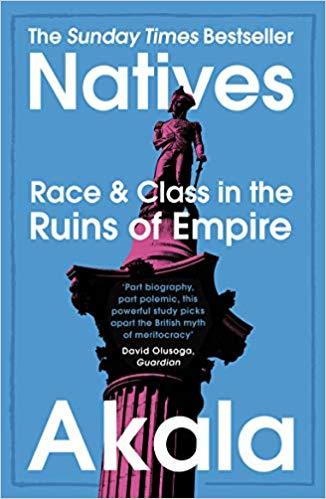
Format: 342 pages, Paperback Published: March 21, 2019 by Two Roads ISBN: 9781473661233 (ISBN10: 1473661234)
From the first time he was stopped and searched as a child, to the day he realised his mum was white, to his first encounters with racist teachers – race and class have shaped Akala’s life and outlook. In this unique book he takes his own experiences and widens them out to look at the social, historical and political factors that have left us where we are today.
Covering everything from the police, education and identity to politics, sexual objectification and the far right, Nativesspeaks directly to British denial and squeamishness when it comes to confronting issues of race and class that are at the heart of the legacy of Britain’s racialised empire.
Natives is the searing modern polemic and Sunday Times bestseller from the BAFTA and MOBO award-winning musician and political commentator, Akala.
Bedford Square Publishers 05 June 2025 £18.99 978-1-8350-1071-6 Hardback
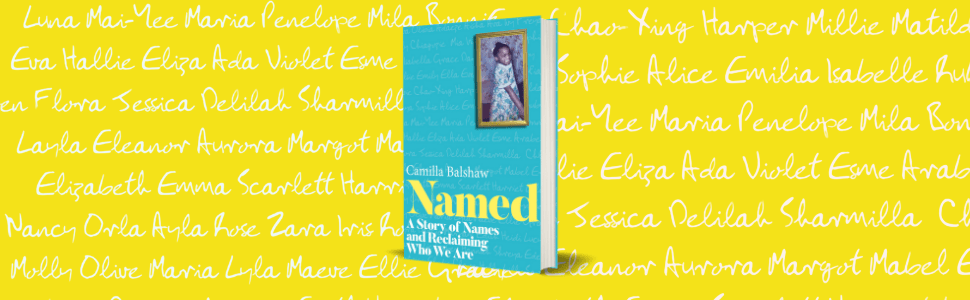
The book Our names are a shadow we carry around with us. They are part of who we are. Our names are a marker of our self-identity and our sense of self. Our names have the power to shock. They have the power to heal, and they have the power to trigger conversations around race, class, social mobility and belonging. But what is a name? What do our names tell us about ourselves? And why do they matter?
Named is a fascinating exploration of names, global naming conventions and identity politics woven into a moving, personal narrative about the finding of family and self. At the intersection of memoir and social and cultural history it is a truly fascinating book about the seemingly ordinary and every day.
The author’s own narrative about her estrangement from her Nigerian father, the grapples with her Jamaican mother and her journey towards identity is woven through the chapters making it an engaging and intimate investigation of what makes us who we are.
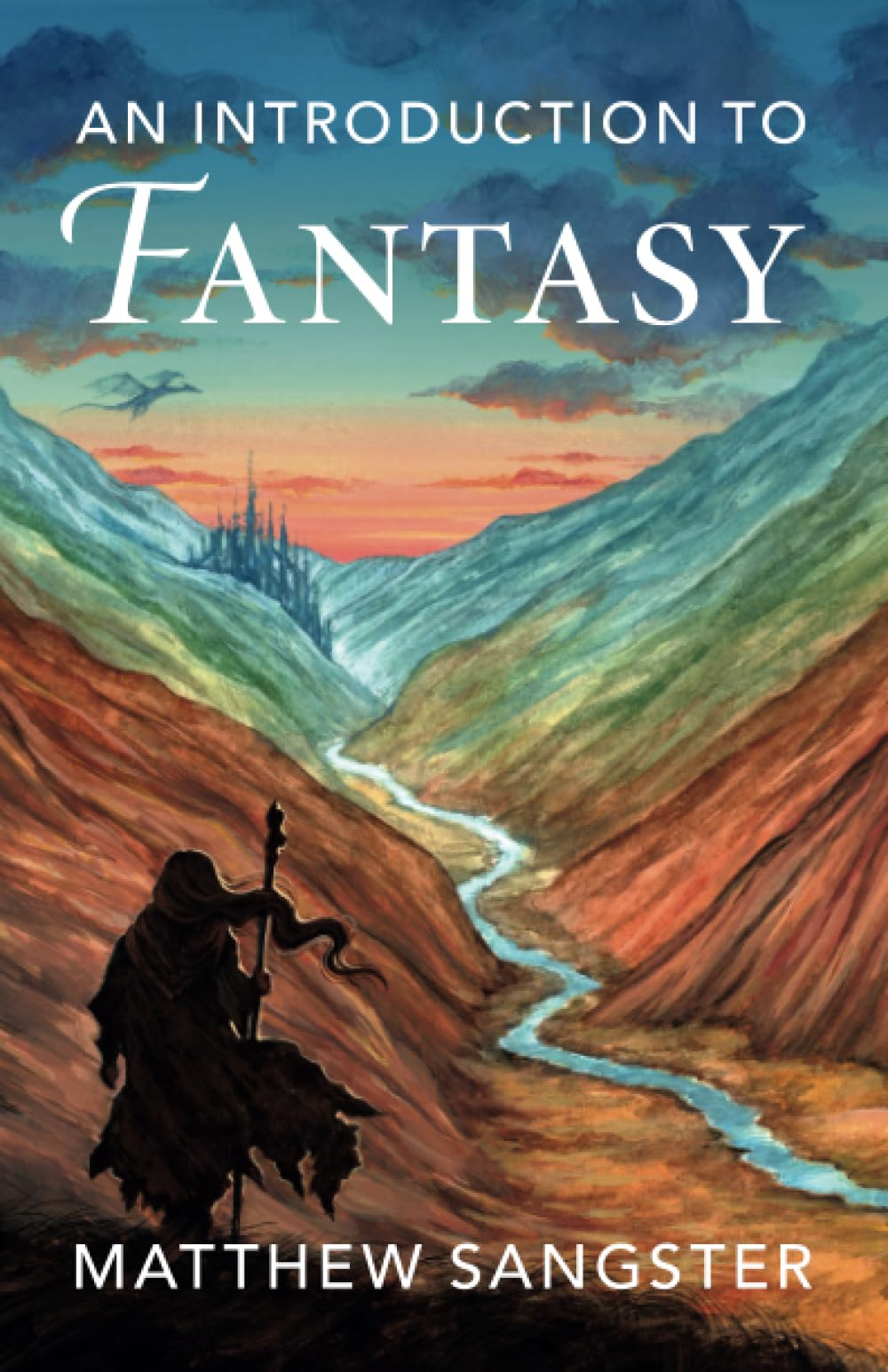
Format: 469 pages, Paperback Published: September 7, 2023 by Cambridge University Press ISBN: 9781009429948
Providing an engaging and accessible introduction to the Fantasy genre in literature, media and culture, this incisive volume explores why Fantasy matters in the context of its unique affordances, its disparate pasts and its extraordinary current flourishing. It pays especial attention to Fantasy’s engagements with histories and traditions, its manifestations across media and its dynamic communities.
Matthew Sangster covers works ancient and modern; well-known and obscure; and ranging in scale from brief poems and stories to sprawling transmedia franchises. Chapters explore the roles Fantasy plays in negotiating the beliefs we live by; the iterative processes through which fantasies build, develop and question; the root traditions that inform and underpin modern Fantasy; how Fantasy interrogates the preconceptions of realism and Enlightenment totalisations; the practices, politics and aesthetics of world-building; and the importance of Fantasy communities for maintaining the field as a diverse and ever-changing commons.
Literary awards:
Mythopoeic Scholarship Award for Myth and Fantasy Studies (2024)
My Review
I’ve been working my way through this book since last October, around blog tours, getting slightly too obsessed with YouTube , and a lot of crochet. I finished the last 40 pages this evening and now I need to tell you all about it. Matthew Sangster is a product of Glasgow University’s Centre for Fantasy and the Fantastic, and the access to many fantasy novels and academic works show in the text. Sangster mentions works by some of the most well-known in fantasy, such as Le Guin and Tolkein, and some more unexpected authors, especially those from earlier centuries. He draws out six important points about fantasy, over the chapters of this books and they form his core arguments:
Fantasy arises from figurative language
Iteration is a defining technique – new stories build on old in new ways
Contemporary fantasy builds on some of the oldest forms
Fantasy exists in conversation with realism
Worldbuilding is both the prevailing metaphor of modern fantasy and used to develop plots and characters
Fantasy is a form practised in community rather than one by unique geniuses.
I had to read the ‘Envoi’ chapter to get that. Sangster helpfully lists these points for the reader. It certainly helps with the summary. He does try to be accessible throughout the book, and uses a lot of examples to make his points, referencing very well-known authors, TTRPG series, video games, and film franchises in the process. It was heavy going at times, but that might be my lack of formal education in Literature at University Level. My M.A. is in Creative Writing, not Literature, after all.
Sangster raises some good points, especially about the tendency of ‘literary’ culture to consider ‘genre’ fiction as lesser, as the mode of storytelling is not ‘realistic’ and therefore can’t possibly impact readers. Fantasy, Sangster argues, explores the real world using the fantastical as a foil, a universalising storytelling mode that draws on cultural language. Fantasy can tell stories in ways that resonate with people far more effectively than straight up realism. It digs down into the root, builds on older foundations and finds new ways to explore ancient concerns.
I certainly find fantasy a useful vehicle for understanding the world, particularly in the work of Terry Pratchett. Fantasy communities, whether specific fandoms, organisations for writers, or online groups (such as the BFS Discord – Join the BFS, and come to our Discord, we have quiz nights and shadow daddies!), work in dialogue with the stories and their creators. New worlds spin off from the original, and people have a shared language to communicate with, across time and culture (see: Vimes’ Boots Theory of Economics).
I found Sangster’s work thoughtful and interesting, although it is very much an academic text so possibly not something a casual reader might go for. Useful for those interested in SFFH in an academic setting e.g., if you’re doing your M.A. in Fantasy and Sci-Fi literature or as a basis for a Doctorate in the field. Yes, those do exist, and yes, they’re a bit serious. (Again, see Glasgow University).
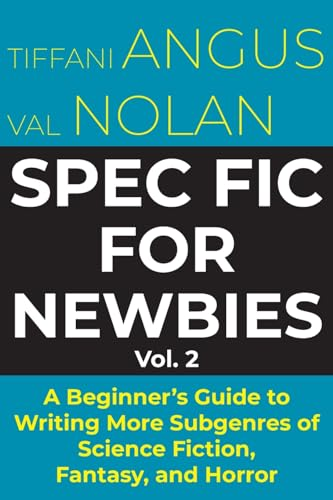
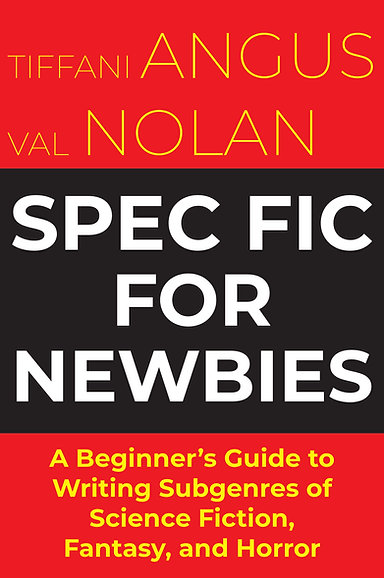
Beam aboard your own Science Fiction, Fantasy, and Horror classroom with the next volume of the BSFA-shortlisted writing-guide series!
Join Tiffani Angus (Ph.D.) and Val Nolan (Ph.D.) for a whirlwind introduction to the storytelling basics of 30 more subgenres and major tropes from across the limitless realms of Speculative Fiction.
Learn about Space Opera, Folk Horror, Climate Fiction, Werewolves, Astronauts, Mythic Fantasy, Goblin Markets, Dragons, and many more with deep dives into each subgenre’s history and development, spotter’s guides to typical examples, pitfalls to watch out for in your own writing, and activities to help you get started! All derived from a combined two decades of university-level practices and experience!
Spec Fic for Newbies breaks genres into bite-sized pieces for students or for any budding writer. It offers a welcoming introduction to how writers, filmmakers, and other creatives can begin to explore the infinite potential of Science Fiction, Fantasy, and Horror to create new stories beyond the boundaries of the ordinary.
This is not another dusty rulebook. This is a portal to endless other worlds!
Format: 120 pages, Paperback Published: July 28, 2022 by 404 Ink ISBN: 9781912489602 (ISBN10: 1912489600)
Description
Since its inception decades ago, the tabletop roleplaying game Dungeons & Dragons has offered an escape from the real world, the chance to enter distant realms, walk in new shoes, and be part of immersive, imaginative tales as they unfold. More so, in Thom James Carter’s opinion, it’s a perfect vessel for queer exploration and joy.
Journey on, adventurer, as Dungeon Master Thom invites readers into the game’s exciting queer, utopian possibilities, traversing its history and contemporary evolution, the queer potential resting within gameplay, the homebrewers making it their own, stories from fellow players, and the power to explore and examine identity and how people want to lead their lives in real and imagined worlds alike.
Grab a sword and get your dice at the ready, this queer adventure is about to begin.
My Review
This was an interesting little book about D&D and Queer culture, exploring the background and history of D&D, and the use of D&D by Queer people to explore their identities. It’s an interesting essay and the structure is fun. It is a introduction to the game and TTRPGs generally, but if you’re already in the fandom, you might not find much useful in it.
One-Time
Monthly
Yearly
Make a one-time donation – If you want. No pressure.
Make a monthly donation
Make a yearly donation
Choose an amount
£5.00
£15.00
£100.00
£5.00
£15.00
£100.00
£5.00
£15.00
£100.00
Or enter a custom amount
£
Your contribution is appreciated. I put a lot of effort into reading and reviewing books for readers.















 Everything Is Better With Dragons